The Federal Aviation Administration is using America’s 250th anniversary moment to push a major round of airport infrastructure money into projects across the United States.
The new grant package totals $1.776 billion and reaches airports in 46 states, according to details reported by Simple Flying. The work is aimed at the parts of an airport passengers often only notice when something goes wrong: runway pavement, taxiways, lighting, safety systems, apron space and terminal upgrades.
U.S. Transportation Secretary Sean P. Duffy announced the funding on July 2, framing it as part of a wider effort to modernize the country’s aviation system as America marks 250 years since the signing of the Declaration of Independence. For airports, the timing is symbolic, but the projects are practical: smoother surfaces, safer movement areas and facilities better prepared for the next wave of passenger demand.
Major Airports Get Some Of The Largest Awards
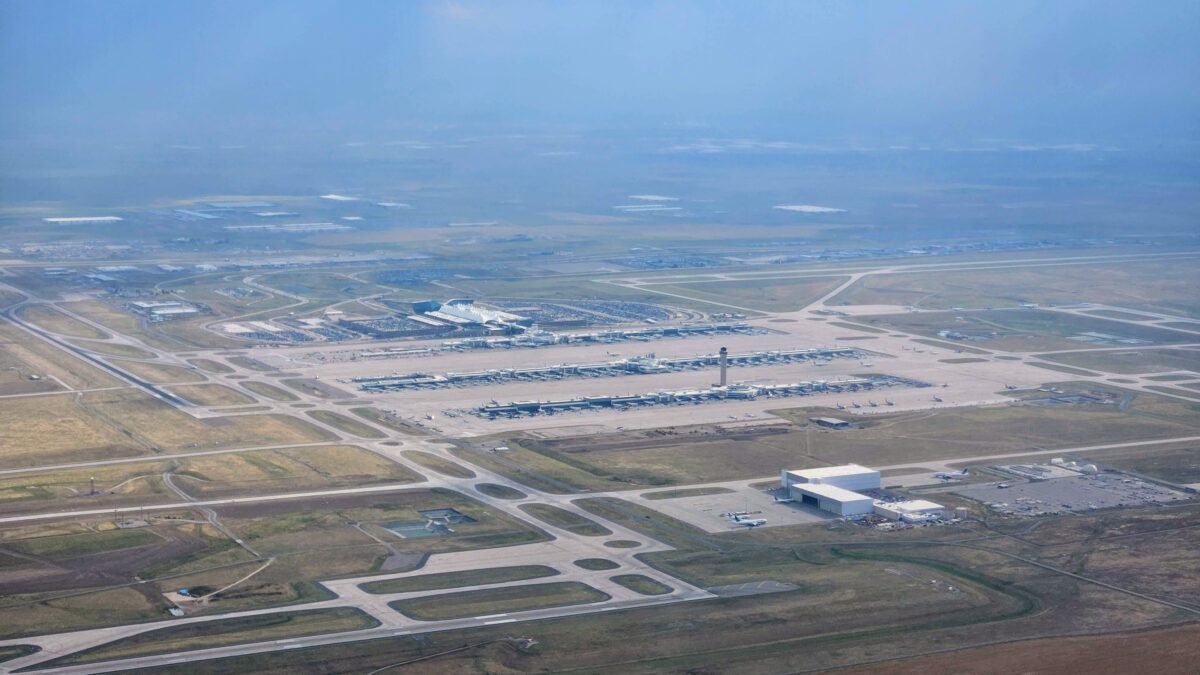
Denver International Airport is set to receive more than $88.8 million, the largest figure highlighted in the package, for major pavement-related work. Boise Airport and Gowen Field are also in line for about $74 million, tied to terminal redevelopment, runway rehabilitation, apron expansion and visual guidance lighting improvements.
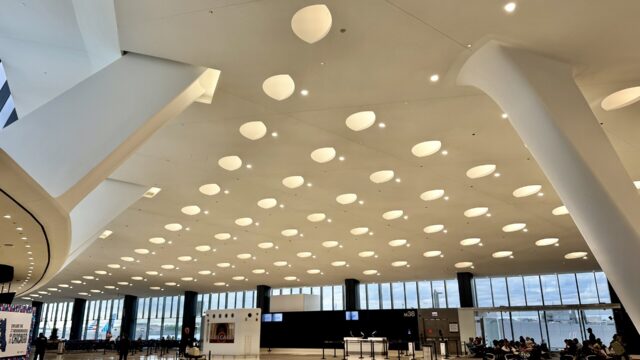
Baltimore/Washington International Thurgood Marshall Airport is expected to receive $62.4 million for runway and lighting rehabilitation, while Houston Hobby Airport is slated for $62.2 million for runway construction. New York JFK is also listed among the major recipients, with $47.6 million going toward taxiway construction and aircraft rescue and firefighting facility work.
Other notable projects include $36 million for Orlando International Airport, covering terminal, taxiway and lighting rehabilitation, and $28.1 million for Oakland International Airport taxiway work. Beyond those large awards, the package includes many smaller airport projects that can still make a meaningful difference for local reliability and safety.
Why This Round Of Funding Matters
Airport Improvement Program money is often tied to passenger traffic and aircraft operations, which means the funding can touch both large hubs and smaller facilities that keep regional air service moving. Runway and taxiway work may not grab attention like a new route or aircraft order, but it is the infrastructure that decides how safely and efficiently flights can keep operating every day.
The grants also arrive as the federal government continues to talk up a broader aviation infrastructure push. Earlier this year, transportation officials moved forward with funding for air traffic control tower and terminal radar approach control facility replacements, while a larger modernization effort is aimed at updating radios, radars, voice switches and other aging technology across the system.
For travelers, the best outcome from a grant like this is often an uneventful one: fewer pavement-related restrictions, better lighting, upgraded terminal spaces and airports that can handle growth without putting extra stress on operations. The anniversary gives the announcement a patriotic frame, but the real test will come in the years ahead as airports turn the money into finished projects.
Comments 0
No comments yet. Be the first to share your take.