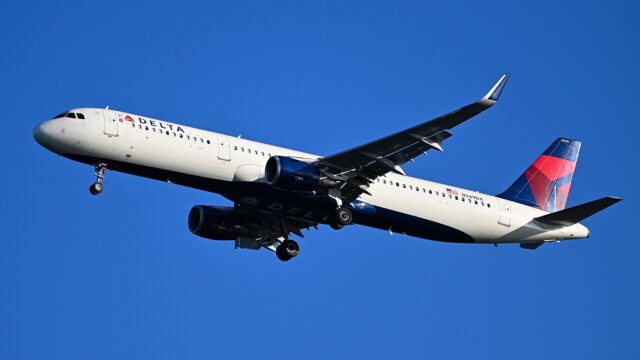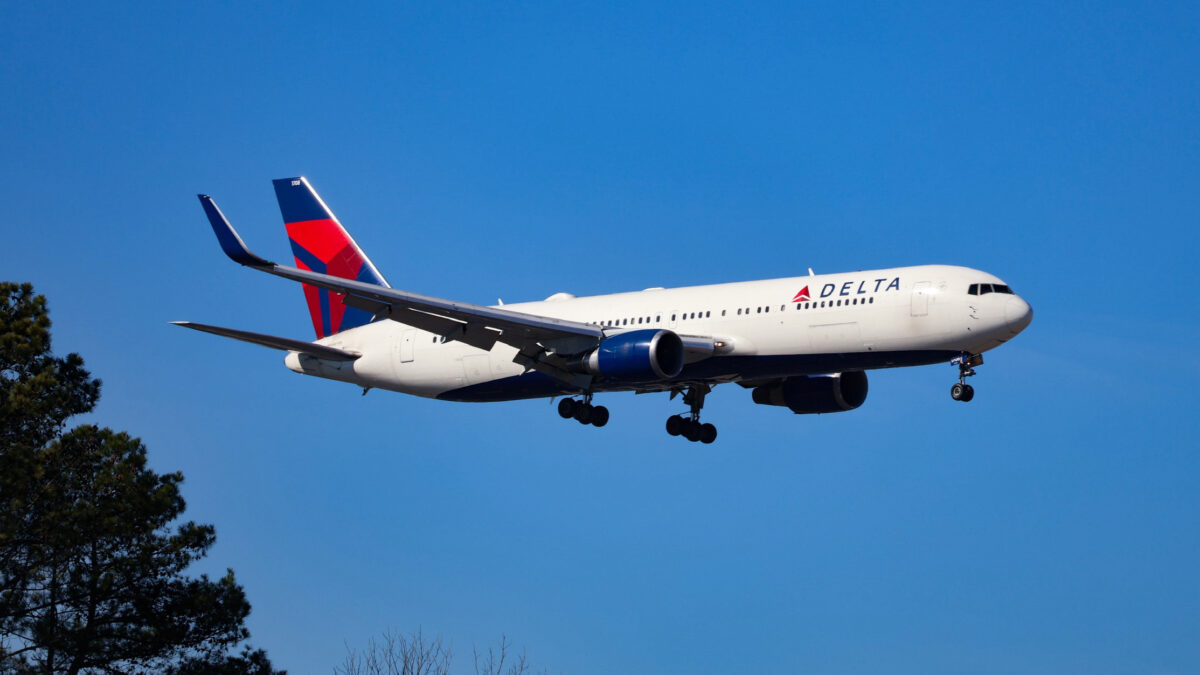
A Delta Air Lines Boeing 767 flying from New York to Italy diverted to Bangor, Maine, after the crew reported fumes in the cockpit, according to the Federal Aviation Administration.
Flight 244 landed safely at Bangor International Airport at about 7:20 p.m. local time on Friday, July 10. The overnight transatlantic service had departed John F. Kennedy International Airport and was scheduled to fly to Catania, Sicily.
The FAA said it will investigate the event. Its initial statement did not identify the source of the fumes or provide details about any effects on passengers and crew.
Crew turned toward Bangor
Airportia, citing incident information from The Aviation Herald, reported that the Boeing 767-300 was cruising at 35,000 feet approximately 140 nautical miles southeast of Bangor when the crew decided to divert. The aircraft landed roughly 35 minutes after turning toward Maine.
Bangor is frequently used by transatlantic flights that need an airport in northeastern North America. Its long runway, customs facilities and location make it a practical diversion point for aircraft operating between the United States and Europe.
Flight-tracking details reported by Airportia identified the aircraft as N178DZ. A replacement Boeing 767 later continued the journey to Catania, arriving about three hours behind schedule, the report said.
Cause of fumes remains unknown
No cause has been established. The FAA explains that fumes can enter an aircraft in rare cases because of issues such as an engine oil seal or recirculation-fan bearing, but that general guidance does not determine what happened on Flight 244.
Airlines are required to report events involving smoke, vapor or noxious odors in the cockpit or cabin through the FAA’s service-difficulty system. Investigators may review maintenance records, crew reports and aircraft systems before deciding whether any further action is needed.
Airportia reported that the diverted Boeing 767 returned to service about 19 hours after landing in Bangor. That operational detail does not establish the cause of the fumes or the outcome of the FAA inquiry.
What happens next
The FAA has not announced a timeline for its investigation. Until more information is released, the confirmed facts are that the crew reported cockpit fumes, diverted the JFK-to-Catania flight and landed safely in Bangor.
The incident is likely to draw attention because fumes in the flight deck can require crews to make rapid decisions while operating far from the planned destination. In this case, the diversion ended with a safe landing and the transatlantic journey continuing on another aircraft.