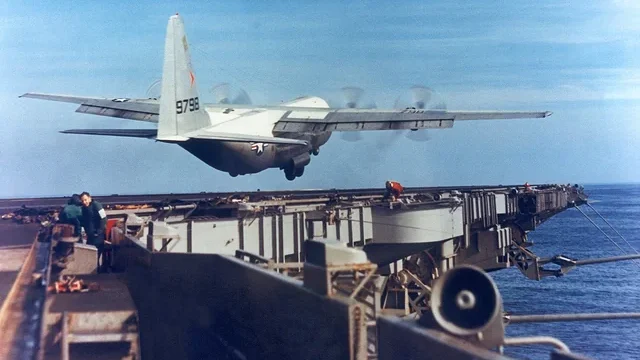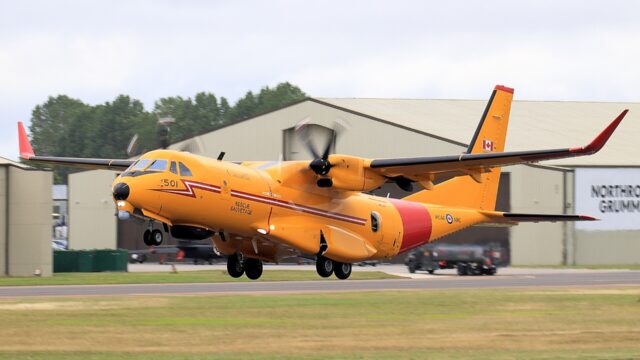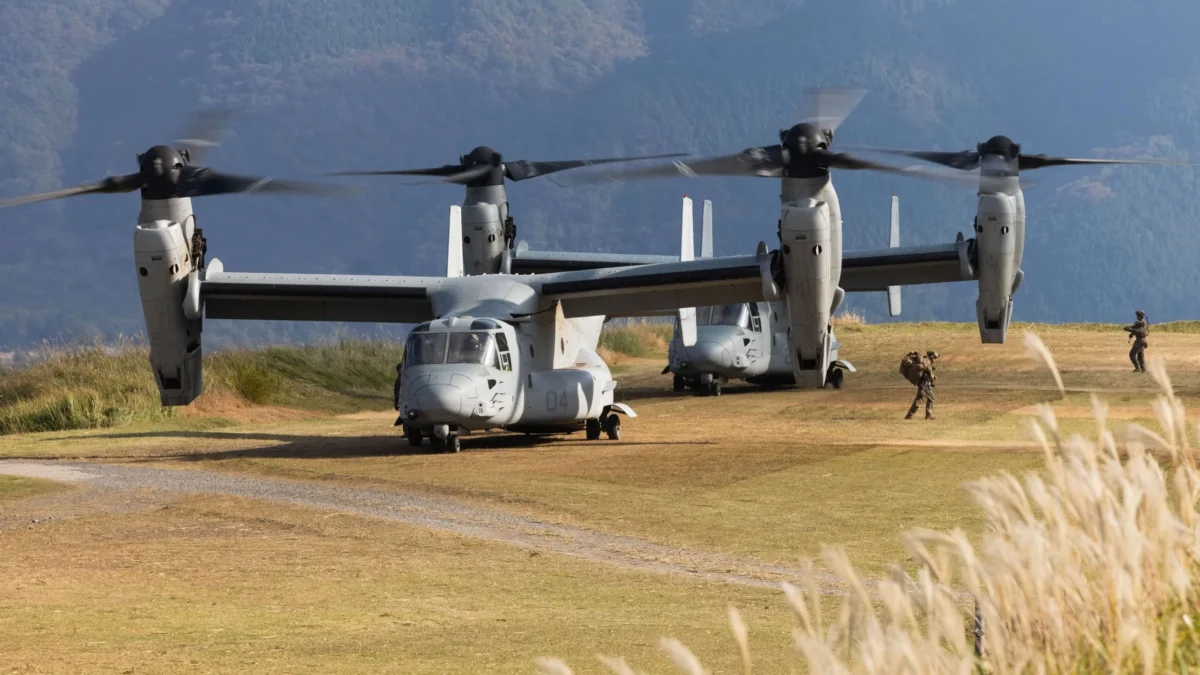
The U.S. Navy has officially moved on from one of its most familiar carrier logistics aircraft, ending the long service life of the C-2A Greyhound as the CMV-22B Osprey takes over the carrier onboard delivery mission.
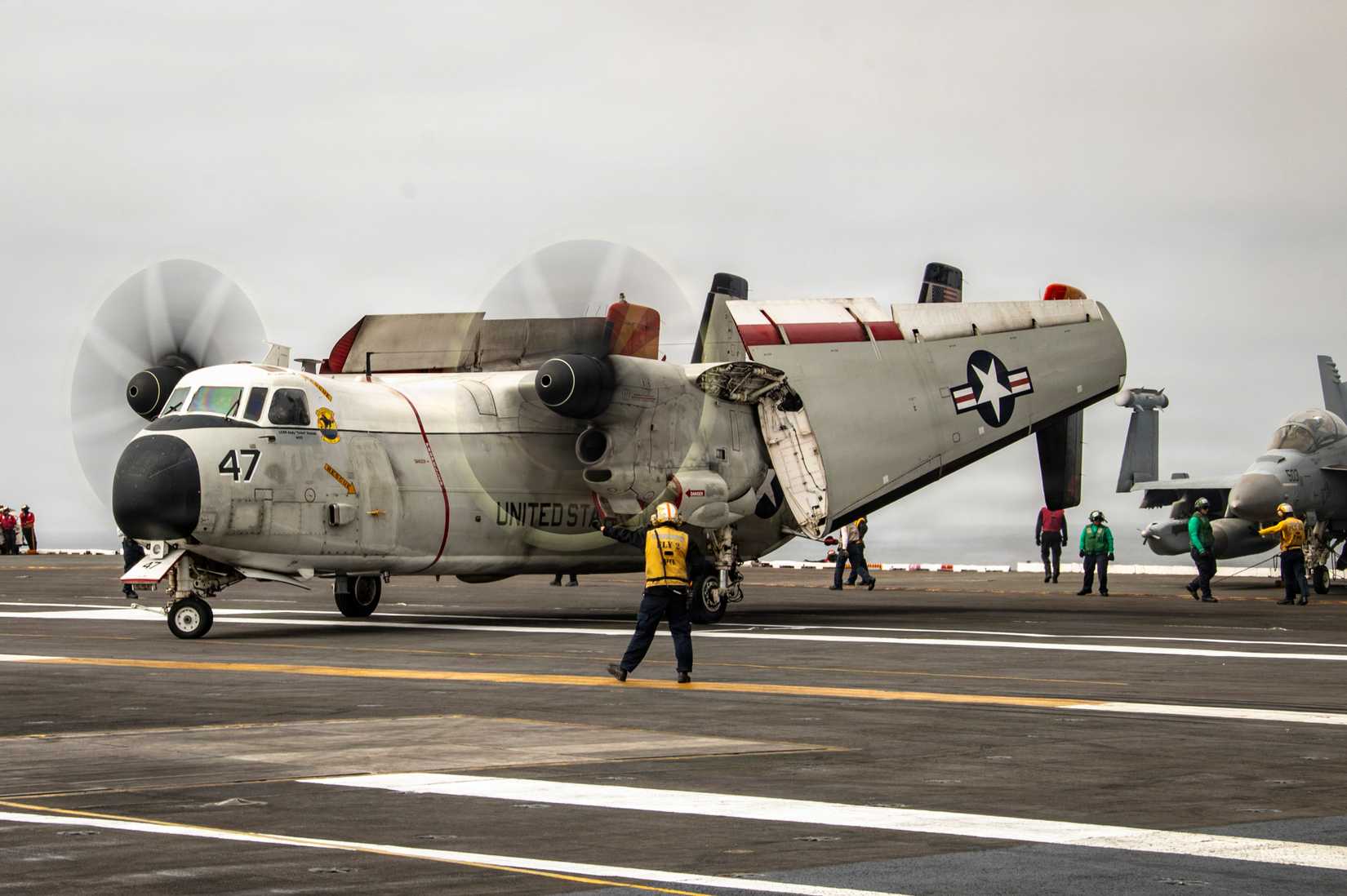
The C-2A Greyhound had been used for decades to move people, mail, parts, and priority cargo between shore bases and aircraft carriers at sea. It was not the most glamorous aircraft in naval aviation, but it was one of the most important.
According to Simple Flying, the retirement is notable because the Greyhound was a dedicated fixed-wing carrier cargo aircraft with a 10,000-pound payload capacity, while its tiltrotor replacement, the CMV-22B Osprey, is rated for up to 6,000 pounds of cargo and personnel over long range.
That means the Navy is replacing a heavier-lift carrier cargo workhorse with an aircraft that carries about 4,000 pounds less, but brings a very different advantage: vertical takeoff and landing capability.
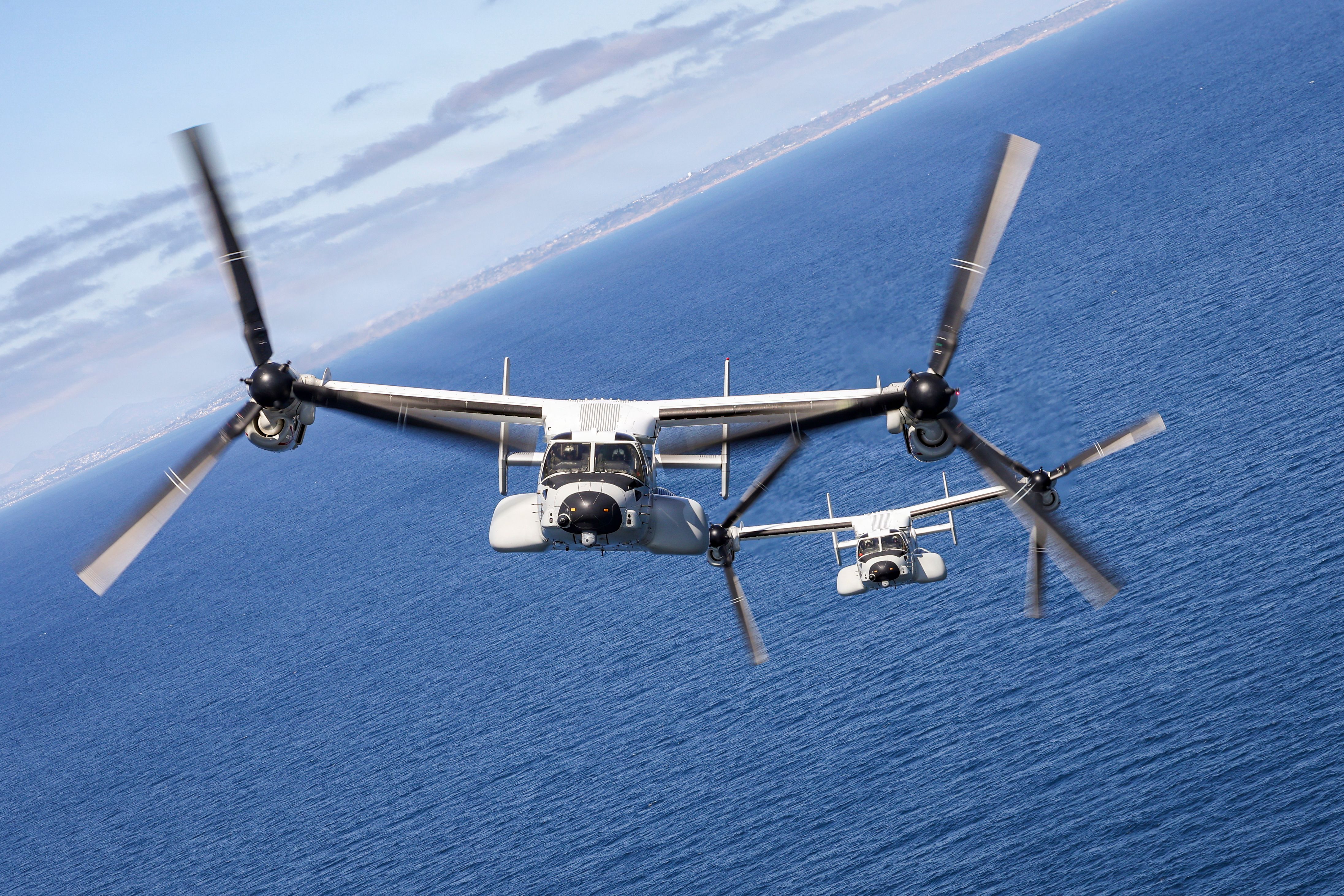
The Greyhound needed a carrier’s catapult and arresting gear to operate. The CMV-22B does not. As a tiltrotor, it can land vertically like a helicopter, fly faster and farther than many traditional rotorcraft, and reach ships that cannot support fixed-wing carrier aircraft.
That flexibility is the main reason the Osprey is taking over. The CMV-22B can move personnel, mail, supplies, and high-priority cargo from shore bases to aircraft carriers, but it can also support a wider seabase logistics network beyond the flight deck of a nuclear aircraft carrier.
The change is especially important for the F-35C era. The Navy has said the CMV-22B can internally carry the F-35C Lightning II engine power module, a key requirement that helped push the service toward the Osprey as the Greyhound’s replacement.
CMV-22B Osprey landing on the flight deck aboard an aircraft carrier
Advertisement
Still, the transition is not a simple upgrade in every category. The Greyhound was pressurized, proven, and purpose-built for carrier onboard delivery. The Osprey offers more flexible access, but it has a lower cargo rating and a more complex tiltrotor operating profile.
The final C-2A carrier operations also mark the end of a major fixed-wing logistics era for U.S. aircraft carriers. For decades, the Greyhound was the aircraft that brought critical parts, replacement personnel, mail, and supplies to the carrier when the ship was far from shore.
For carrier crews, logistics aircraft are not just support tools. They keep deployed ships connected to the outside world. A single part delivered at the right time can affect maintenance, flight operations, and mission readiness.
The CMV-22B now inherits that responsibility. Its ability to operate without catapults and arresting wires gives the Navy more options, especially across a distributed fleet. But the lower payload figure shows there are tradeoffs in the new approach.
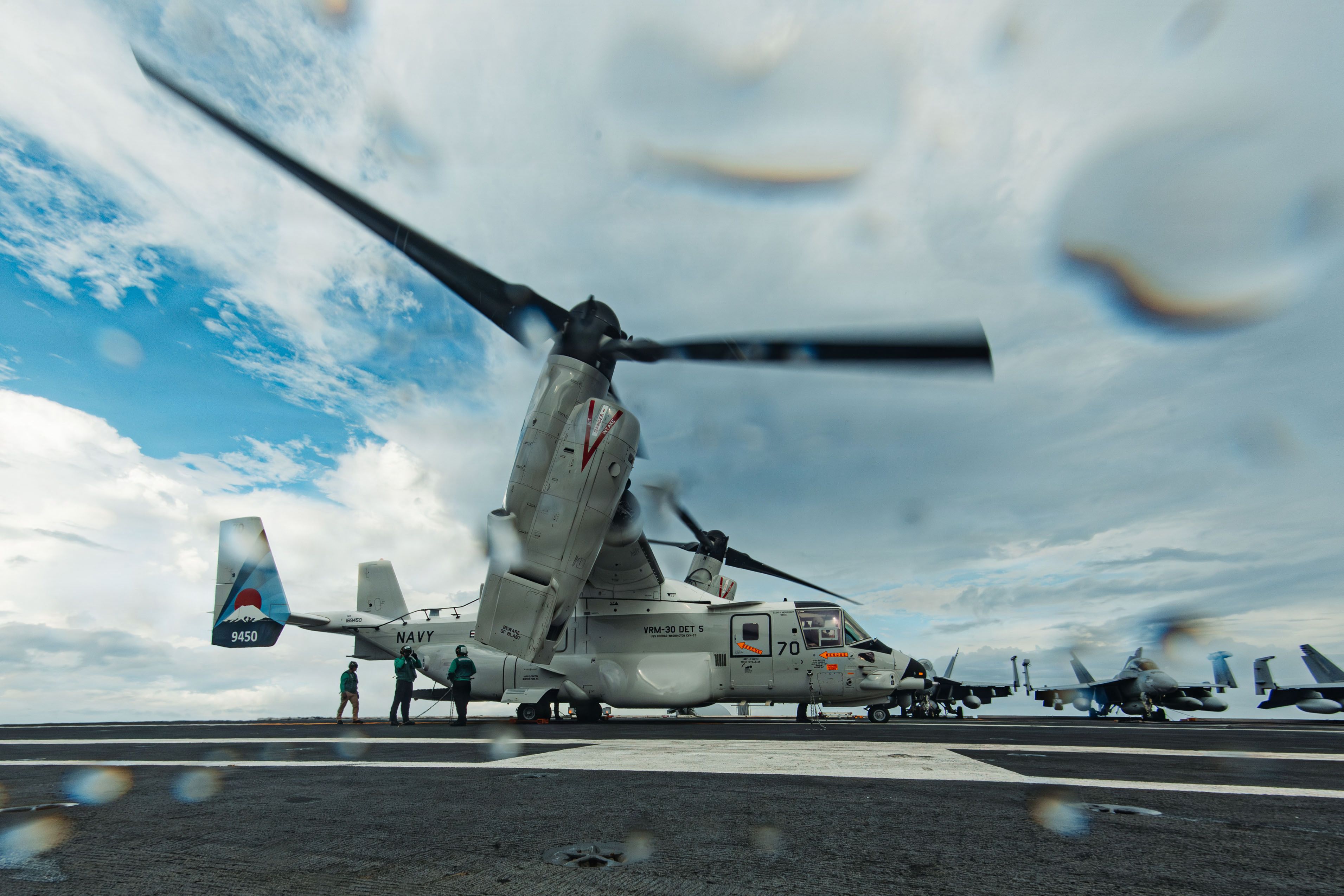
The Navy is not simply replacing one aircraft with another identical aircraft. It is changing how carrier logistics can work. The Greyhound represented classic carrier aviation, built around catapults, arresting wires, and fixed-wing range. The CMV-22B represents a more flexible, vertical-lift future.
For aviation watchers, the change is fascinating because both aircraft solve the same mission in very different ways. The C-2A could carry more. The CMV-22B can go places the C-2A could not.
That is why the retirement feels both practical and symbolic. The Navy is saying goodbye to a 10,000-pound carrier cargo workhorse, while betting that the Osprey’s flexibility will matter more than the extra 4,000 pounds the Greyhound could carry.