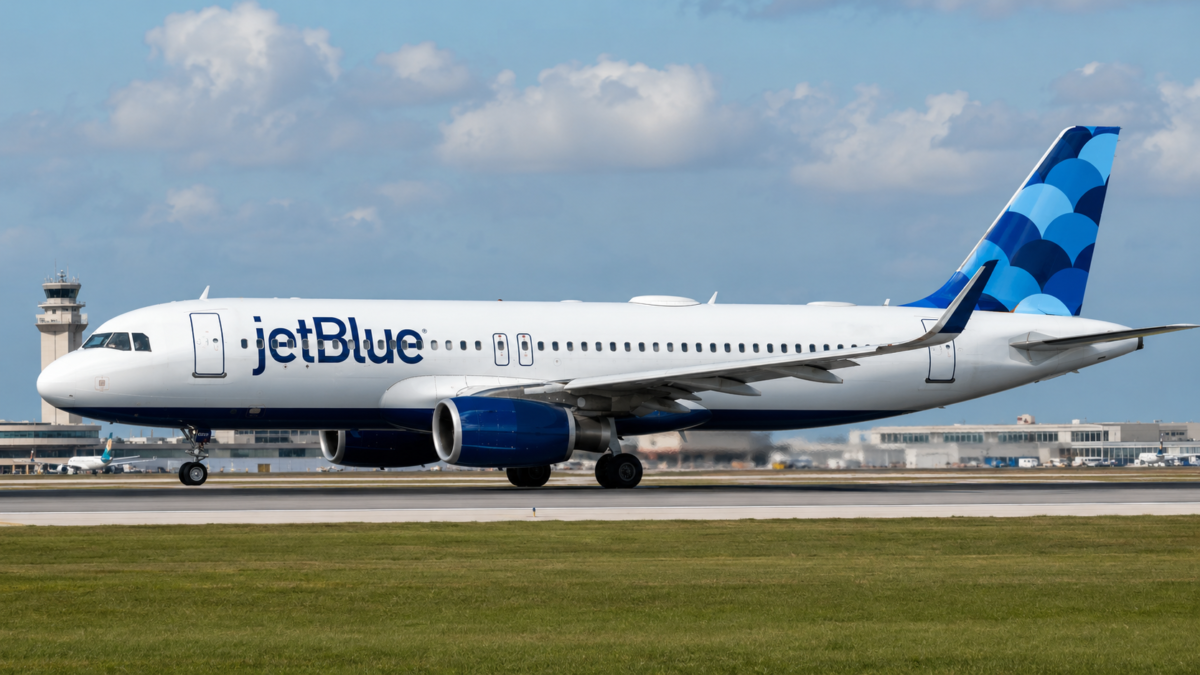
JetBlue is facing a passenger lawsuit over what happens to TSA security fees when award tickets are canceled before travel, after a judge allowed the case to move forward rather than dismissing it at the airline’s request.
The dispute centers on the September 11th Security Fee, a federal charge that is commonly added to U.S. airline tickets. When a passenger does not travel, the lawsuit argues that the unused TSA fee should be returned in cash, not held as a JetBlue travel credit that may carry limits or eventually expire.
According to the claims described in the case, JetBlue has kept the $5.60 TSA fee from canceled award tickets and placed the value into travel credit instead. Passengers argue that this conflicts with federal refund rules and with JetBlue’s own contract language, which says taxes and fees are refundable when required by law.
JetBlue tried to stop the lawsuit by arguing that the Airline Deregulation Act blocks state-law claims tied to airline prices, services and ticket conditions. The judge rejected that defense for now, finding that passengers are not trying to regulate JetBlue’s fares or routes, but to enforce the airline’s own promise to refund certain government fees when the law requires it.
The money at issue may be small for each traveler, but the case could matter because the cost of going to court is far higher than a single TSA fee. That imbalance is why consumer refund disputes often become difficult to pursue unless regulators or class-action procedures are involved.
For passengers, the ruling does not mean JetBlue has lost the case. It means the lawsuit can continue, keeping pressure on the airline over how it handles government-imposed fees when customers cancel award travel and never take the flight.