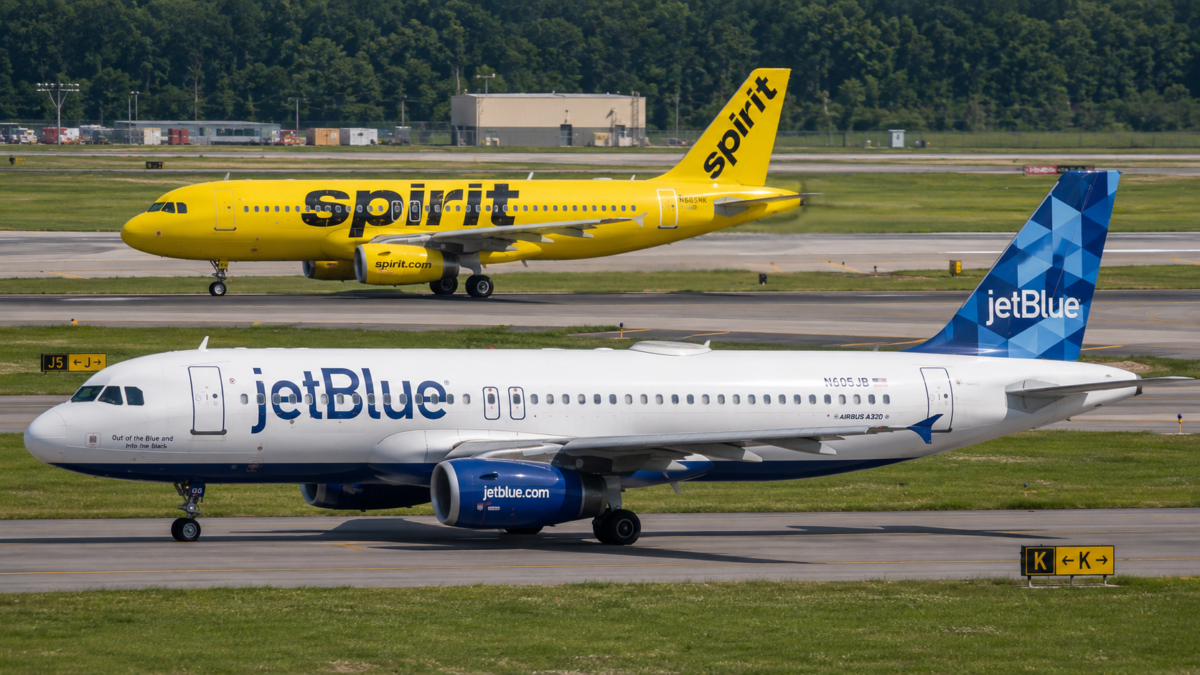
JetBlue has won the auction for Spirit Airlines’ former LaGuardia Airport slots, giving the carrier a rare chance to grow at one of New York’s most capacity-restricted airports.
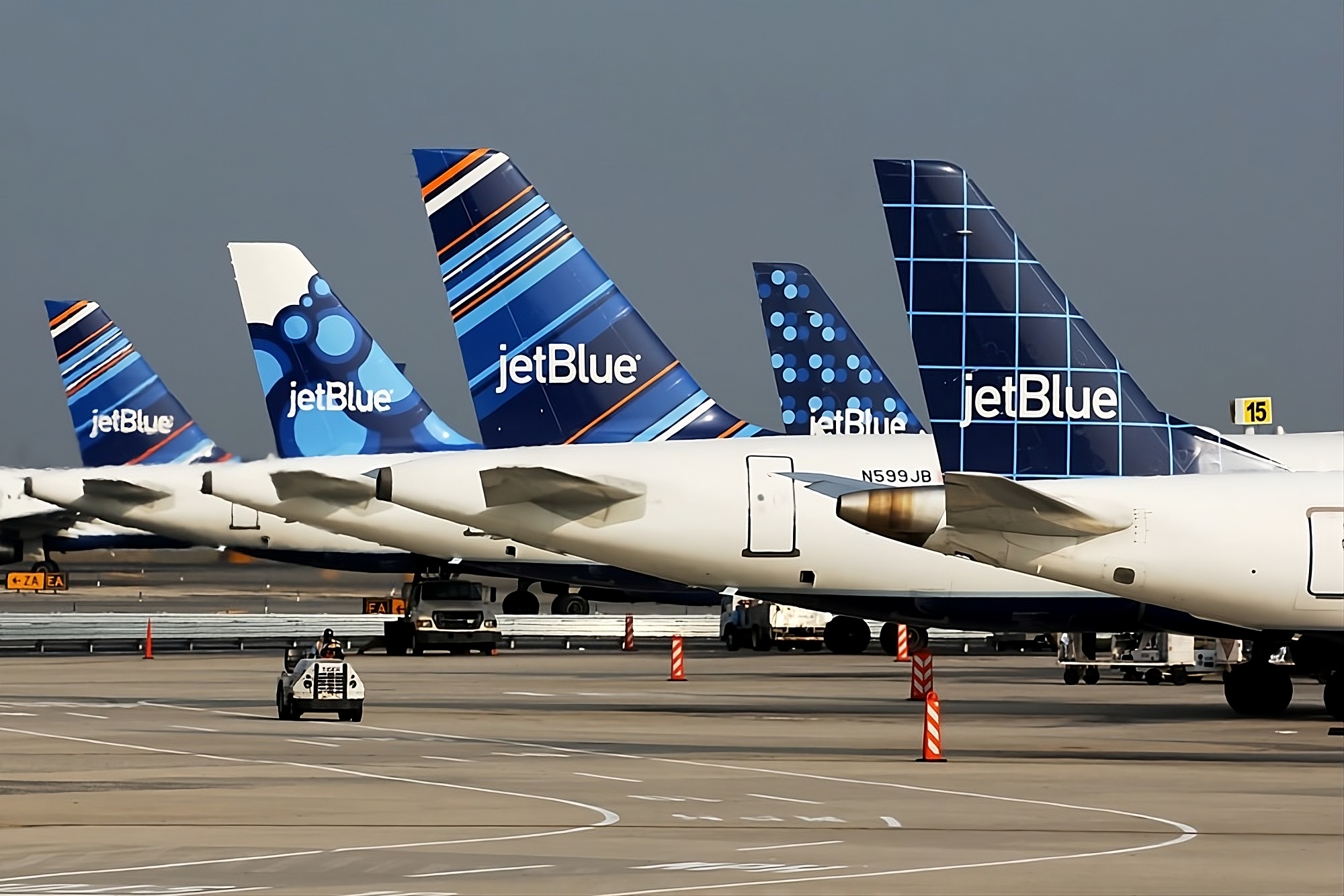
The winning bid is notable because JetBlue has previously said LaGuardia is extremely expensive to operate from, making it difficult for the airline to earn money at the airport.
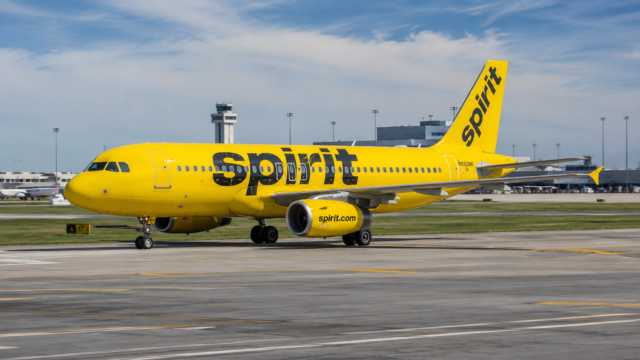
According to View From The Wing, JetBlue bid $58.5 million for Spirit’s LaGuardia slots, beating Frontier Airlines, which reportedly offered $57.5 million. The package includes enough slot rights for up to 12 daily departures and 10 arrivals at LaGuardia.
That makes the move both strategic and risky. LaGuardia is one of the hardest airports in the United States to grow at because takeoff and landing rights are tightly controlled. Large blocks of slots almost never become available, so JetBlue appears to have decided the opportunity was too important to pass up.
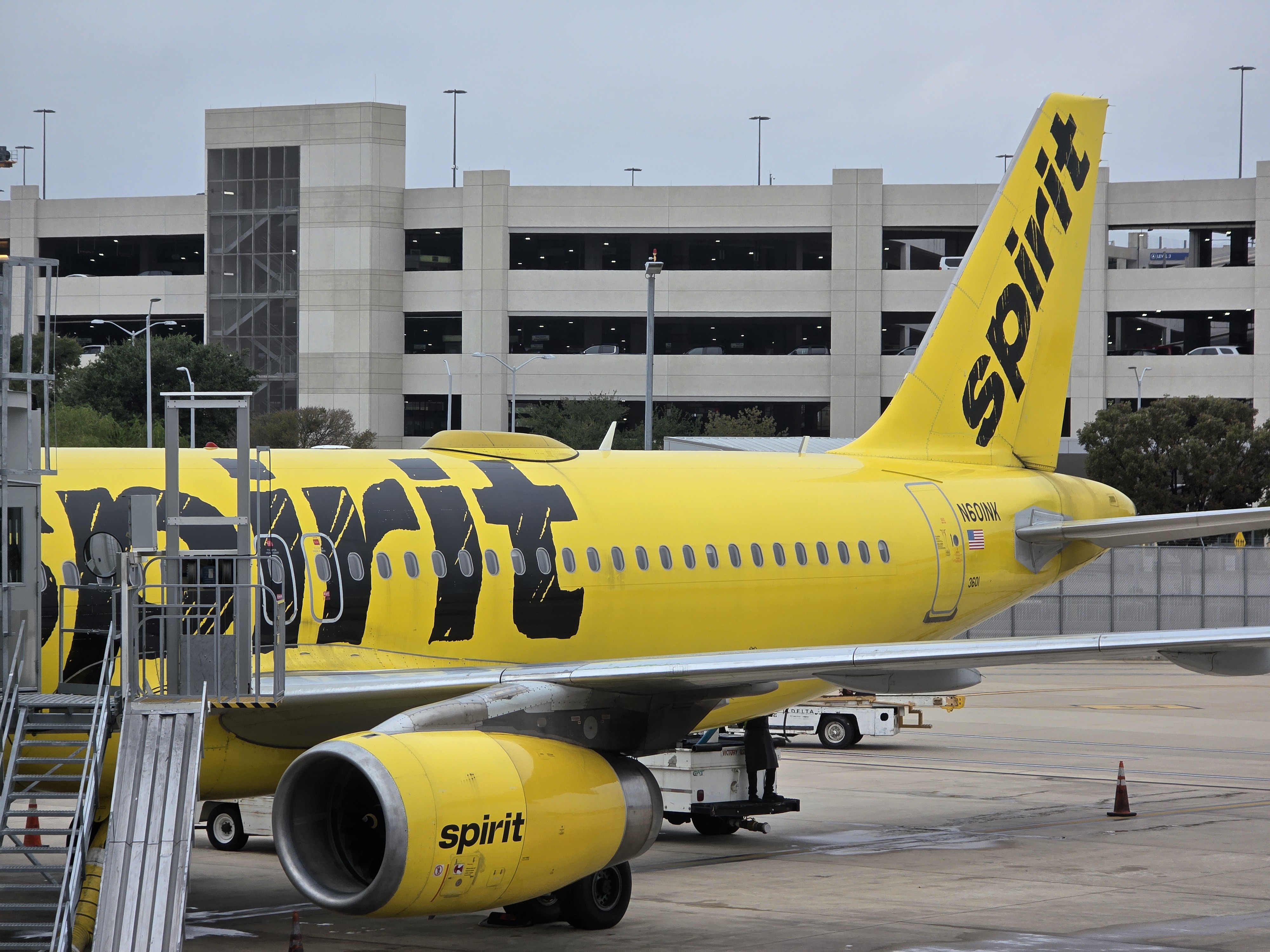
The deal still needs final approval and will require regulatory steps before JetBlue can fully use the slots. Reports say the airline is also looking at moving operations into LaGuardia’s Terminal A, also known as the Marine Air Terminal, where Spirit had previously operated.
That terminal piece could matter. JetBlue currently faces high operating costs at LaGuardia, and moving into the former Spirit space could help reduce costs or make the new slots easier to manage.
But the contradiction is what makes this story interesting. JetBlue has been cutting back at LaGuardia in recent years, with its own leadership pointing to the airport’s high costs. Now, the airline is spending millions to expand there.
JetBlue reportedly had around 50 daily flights at LaGuardia at one point, but that number fell sharply after the end of the Northeast Alliance with American Airlines and after the airline reduced several LaGuardia routes.
The Spirit slot auction changes the picture. Spirit’s exit from LaGuardia created one of the rare moments when a meaningful block of New York airport access became available. For a carrier like JetBlue, which has long treated New York as one of its most important markets, losing the auction could have meant watching another low-cost competitor take the space.
Frontier’s strong backup bid also shows how valuable the slots are. Even though LaGuardia is expensive, access to New York airspace is scarce, and airlines that want to compete in the city cannot easily create new flying rights from nothing.
For passengers, the biggest question is what JetBlue will actually do with the slots. More LaGuardia flights could mean more competition, more nonstop options, and potentially lower fares on some routes. But if the airport costs remain too high, JetBlue may have to be selective about where it flies.
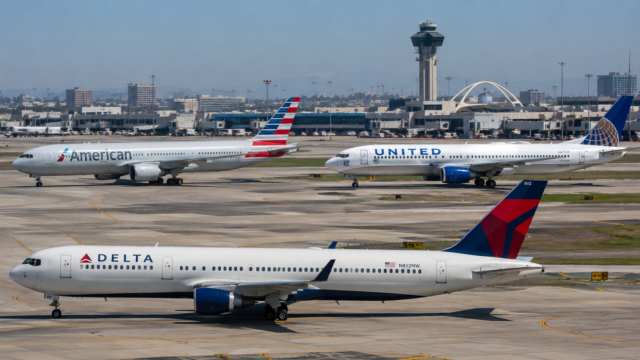
The airline may focus on routes that support its New York and Florida strategy, especially as it grows around leisure travel and its stronger markets. But marginal LaGuardia routes can be difficult, especially when Delta and American already have large operations at the airport.
There is also an antitrust angle. When JetBlue previously tried to acquire Spirit, Spirit’s LaGuardia slots and gates were part of the competitive concerns around the deal. This situation is different because Spirit’s LaGuardia operation is no longer competing in the market, and the slots are being sold through a bankruptcy process.
Still, the transaction shows how valuable Spirit’s former airport assets became after the airline’s collapse. Even after years of pressure on low-cost carriers, Spirit’s LaGuardia slots were still important enough to attract aggressive bids from JetBlue and Frontier.
For JetBlue, the move is a bet that a better LaGuardia setup can make the economics work. If moving to Terminal A lowers costs and helps consolidate operations, the airline may be able to turn a difficult airport into a more useful part of its network.
If not, JetBlue could find itself with more access to an airport it has already described as hard to operate profitably.
That is why this deal is bigger than a simple slot purchase. JetBlue has bought a rare chance to grow at LaGuardia, but it now has to prove that it can make those flights work in one of the most expensive airport environments in the country.