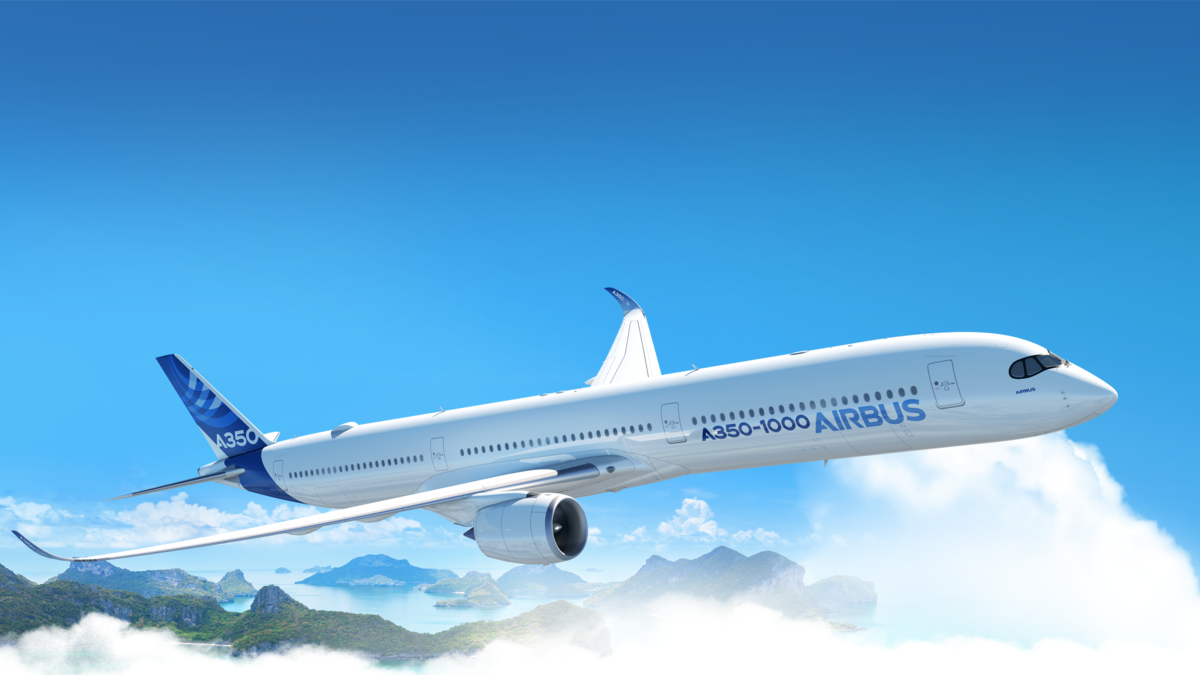
Airbus’ A350-1000 is one of the most capable long-haul aircraft in production, but its real selling price is much lower than the old public list price suggests.
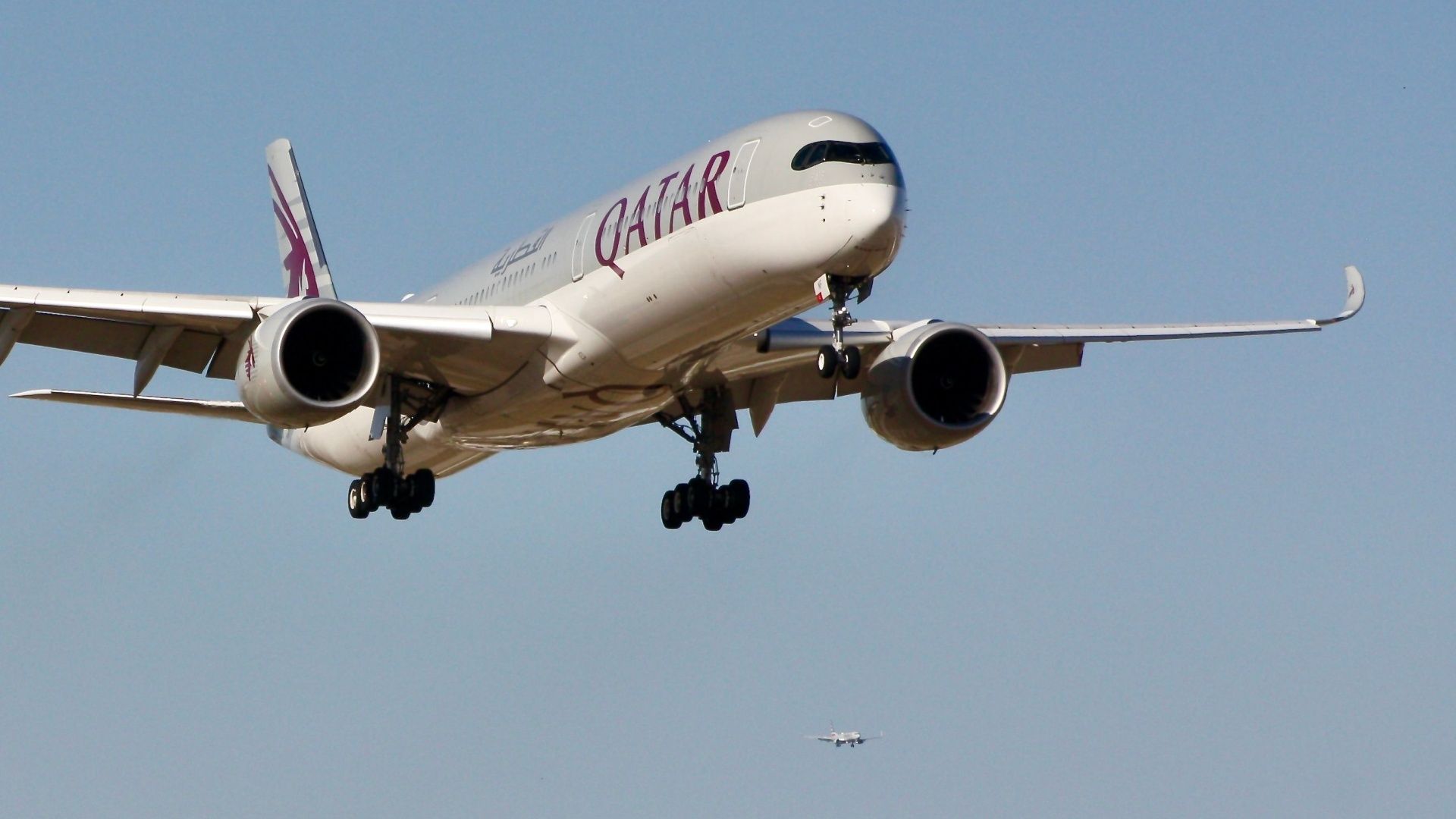
The aircraft was once listed at about $366 million, a number that still gives the A350-1000 the appearance of being one of the most expensive passenger jets in the world. But in modern aircraft sales, that figure is not the same as what airlines usually pay.
Large aircraft deals are negotiated privately, and discounts are normal across the industry. Airlines do not usually buy widebody jets the way consumers buy cars from a showroom sticker. Instead, aircraft prices depend on order size, delivery timing, engine support, maintenance agreements, financing, and how badly the manufacturer wants to secure the deal.
That is why recent A350-1000 pricing estimates appear much lower than the aircraft’s old catalogue price. Industry estimates have placed some new A350-1000 values closer to the high-$100 million range, making the aircraft look like it is being sold for nearly half of its historic list price.
That does not necessarily mean Airbus is desperate. It means the list price was never the real selling price for major airline customers. Aircraft manufacturers have long used public list prices as a benchmark, while the actual transaction price is negotiated behind closed doors.
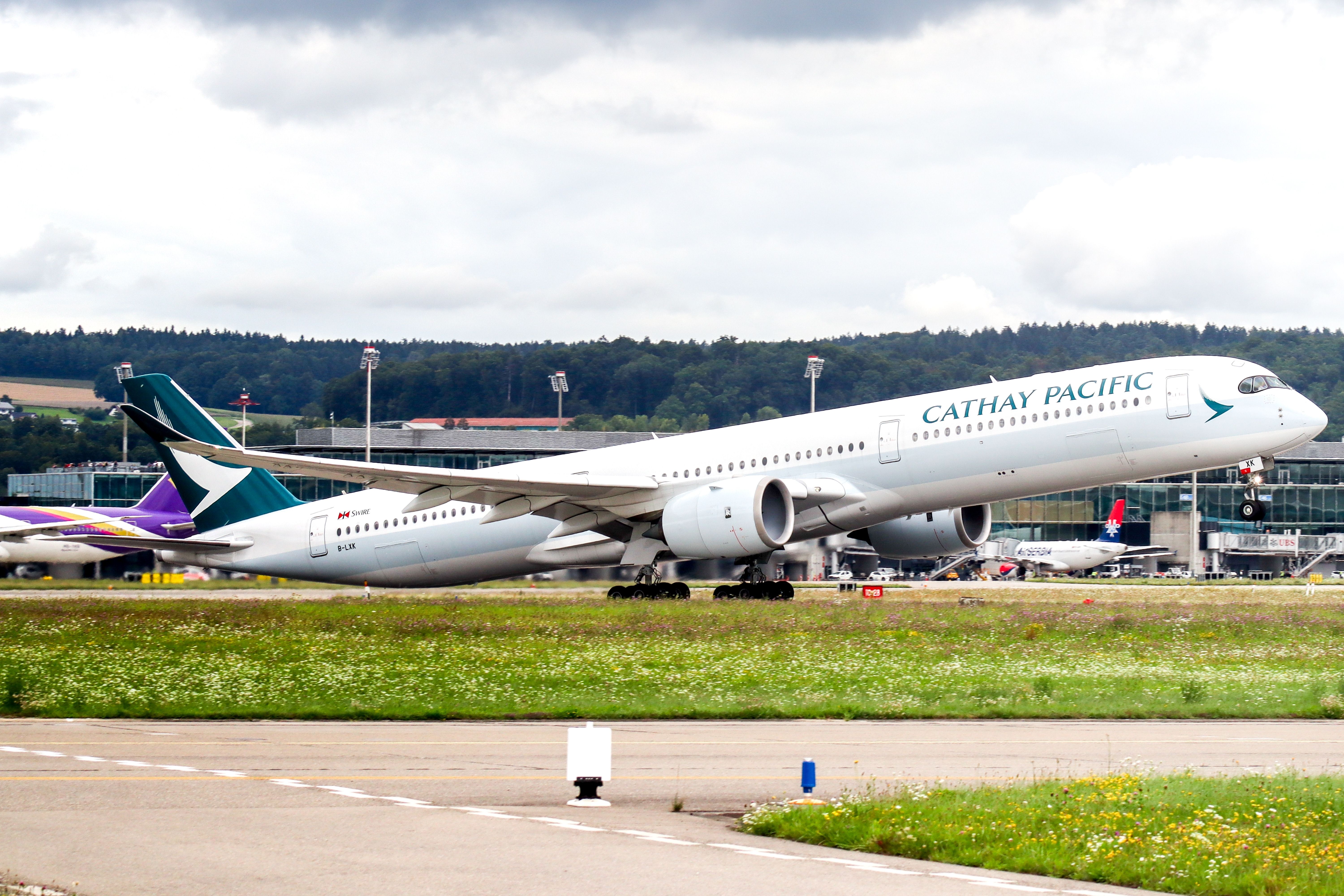
The A350-1000 is still a highly valuable aircraft for airlines that need long-haul capacity without moving up to larger Boeing 777X models or older four-engine jets. It offers strong range, lower fuel burn than older widebodies, and enough capacity for major international routes.
Airbus also has a strategic reason to keep the A350-1000 attractive. Boeing’s 777X program has faced repeated delays, giving Airbus an opening to win airlines that need a large modern twinjet sooner. A competitive A350-1000 price can help Airbus keep pressure on Boeing while expanding its widebody customer base.
The pricing also reflects the current widebody market. Airlines are rebuilding long-haul networks, but they remain careful with capital spending. A lower negotiated price can make a large aircraft easier to justify, especially when airlines are balancing aircraft shortages, high financing costs, and uncertain global demand.
Recent interest in the A350-1000 shows that the aircraft is not being ignored. Carriers such as Cathay Pacific, Virgin Atlantic, Qatar Airways, Etihad Airways, Japan Airlines, Starlux, Korean Air, and Riyadh Air have all used, ordered, or shown confidence in the larger A350 family member.
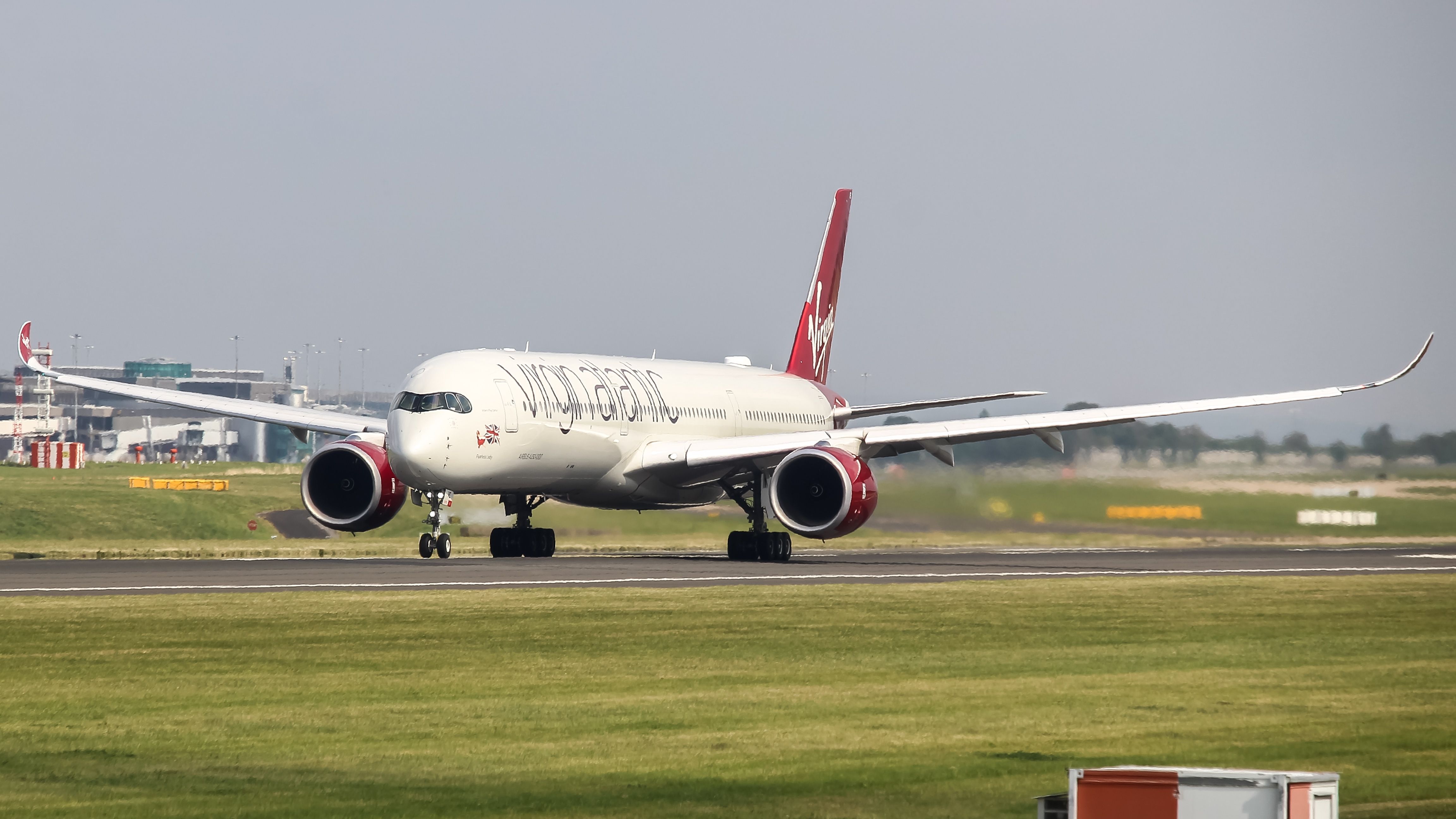
For Airbus, the lower real-world price may be less about weakness and more about strategy. Every A350-1000 order helps build momentum for the aircraft, protects production demand, and gives airlines another option while Boeing works through its own long-haul aircraft delays.
For aviation watchers, the lesson is simple: the headline number on a widebody jet is rarely the number that matters. The A350-1000 may be a $366 million aircraft on paper, but in real airline negotiations, the true price can be far lower — and that is exactly how the aircraft sales business has worked for years.