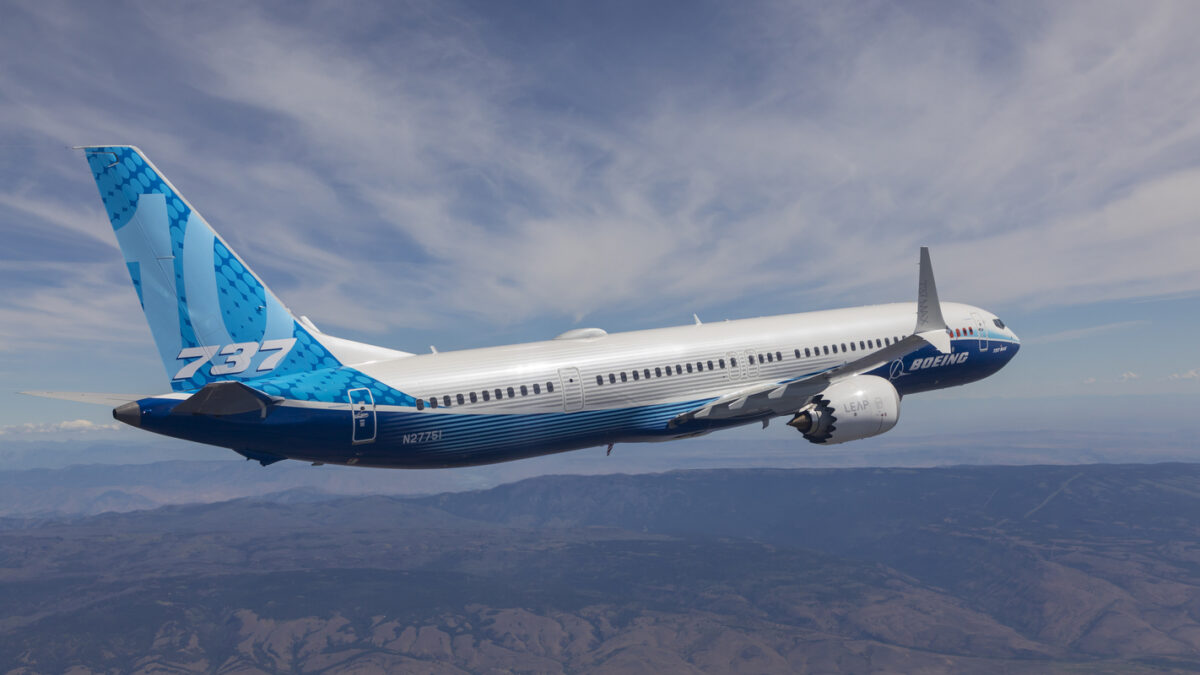
Boeing may finally be getting closer to certification for the 737 MAX 7 and 737 MAX 10, two variants that have remained stuck in approval limbo long after the MAX 8 and MAX 9 entered service.
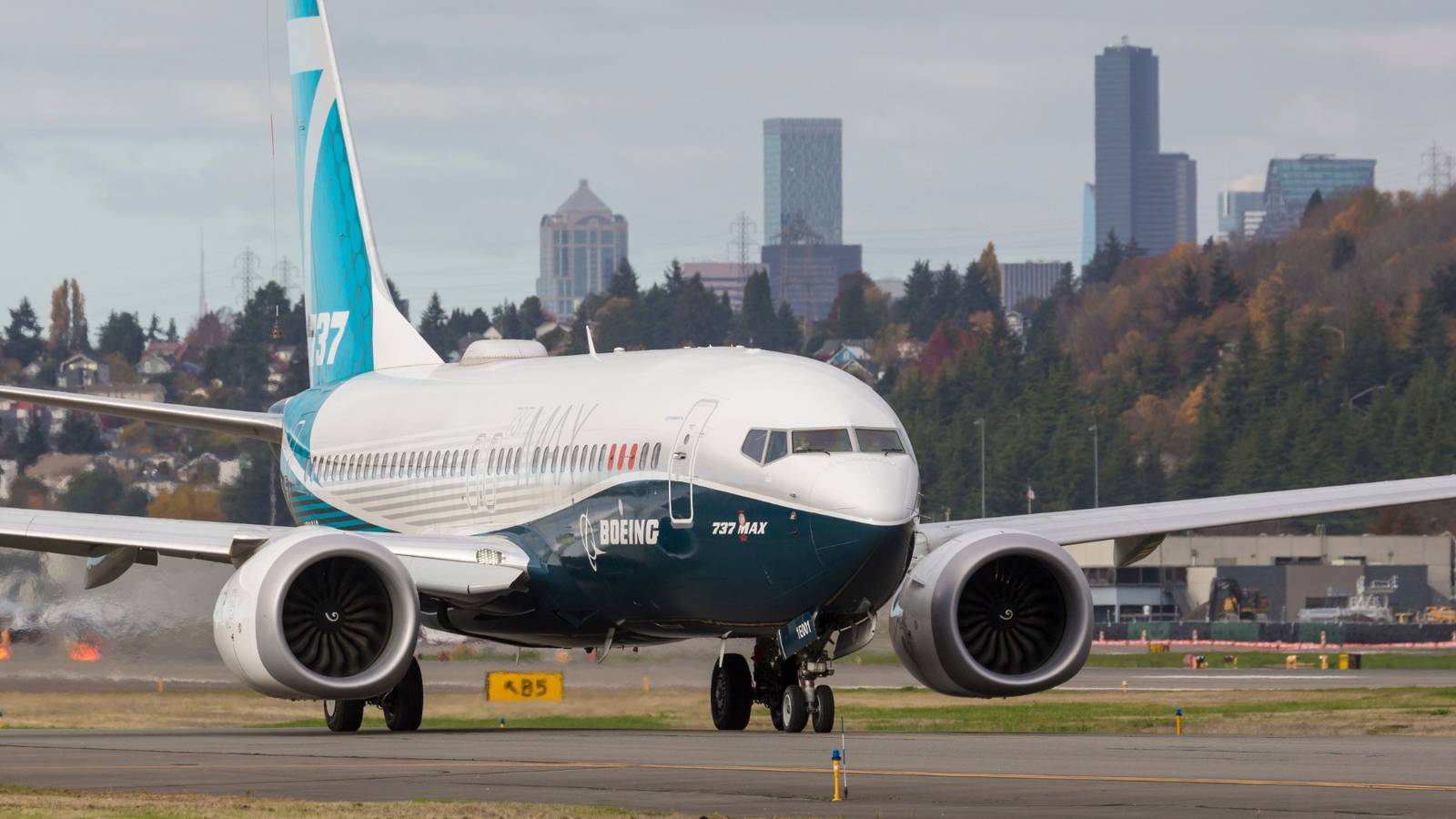
The latest update came from the Federal Aviation Administration, with a senior FAA official saying at Farnborough that certification of the Boeing 737 MAX 7 and larger MAX 10 is expected soon after an intensive review process.
The update is significant because both aircraft are important to Boeing’s narrowbody strategy. The MAX 7 is the smallest member of the MAX family, while the MAX 10 is the largest and highest-capacity version designed to compete more directly with larger Airbus A320neo-family aircraft.
For airlines, the delay has been frustrating. Southwest Airlines has been closely tied to the MAX 7, while United Airlines and other carriers have been waiting for the MAX 10 to support higher-capacity narrowbody flying.
The certification delay has also become part of Boeing’s wider recovery story. The company has faced years of scrutiny following the 737 MAX grounding, the Alaska Airlines MAX 9 door plug incident, and broader production quality concerns.
Reuters reported that Boeing is also in the final stages of getting regulatory approval for an engine anti-ice system fix on the 737 MAX. That issue has been one of the technical items closely watched during the certification process.
The FAA update does not mean the aircraft are certified today. It means the approval process appears to be moving closer to completion, with regulators still needing to finish their reviews before Boeing can begin delivering the variants to customers.
Boeing has also been publicly highlighting certification progress across both the 737 MAX program and the 777-9. The company said the path forward has become clearer after years of testing, analysis, and work with regulators.
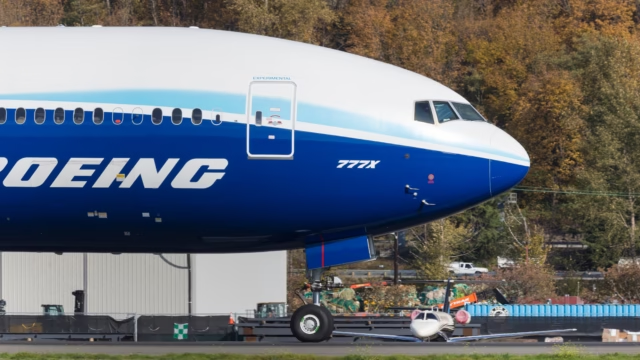
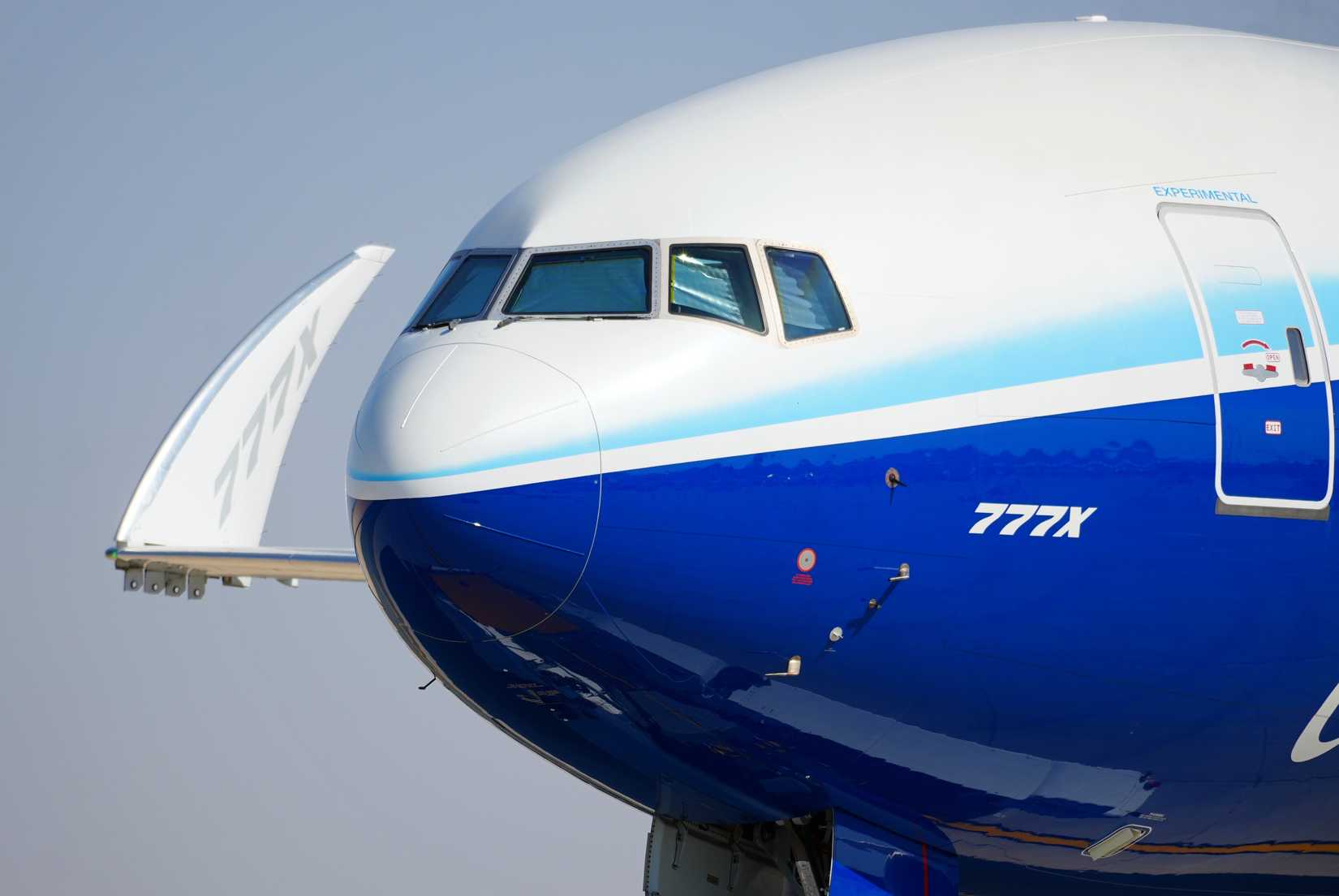
The 777-9 remains another major delayed Boeing aircraft. It is part of the 777X family and is expected to become Boeing’s next flagship long-haul jet once certified and delivered to airlines.
But according to Reuters, the FAA expects the 777X to come after the MAX 7 and MAX 10. That makes the two narrowbody approvals a key step before Boeing can fully shift attention to its long-delayed widebody program.
The certification news also comes shortly after the FAA allowed Boeing to resume issuing airworthiness certificates for new 737 MAX and 787 aircraft. The FAA had taken away that authority for the MAX after the Lion Air and Ethiopian Airlines crashes, and for the 787 because of production quality issues.
That decision was another sign that Boeing is slowly regaining some regulatory trust, although the FAA said it will continue close oversight of the company.
For Boeing, getting the MAX 7 and MAX 10 certified would remove two major overhangs from the 737 program. It would give airlines more flexibility, unlock delayed deliveries, and help Boeing offer a more complete narrowbody lineup.
For passengers, the change may not be obvious immediately. But over time, certification could affect route planning, aircraft availability, and airline capacity, especially for carriers that have been waiting years for these aircraft.
The biggest question now is timing. The FAA has signaled that approval is getting closer, but Boeing still needs the final regulatory sign-off before the MAX 7 and MAX 10 can officially enter airline service.
After years of delays, the message is clear: Boeing’s two missing 737 MAX variants are no longer just future promises. They may finally be approaching the finish line.
Comments 0
No comments yet. Be the first to share your take.