Boeing’s next all-new commercial aircraft may still be years away, as the company remains focused on clearing major certification hurdles for aircraft already in development.
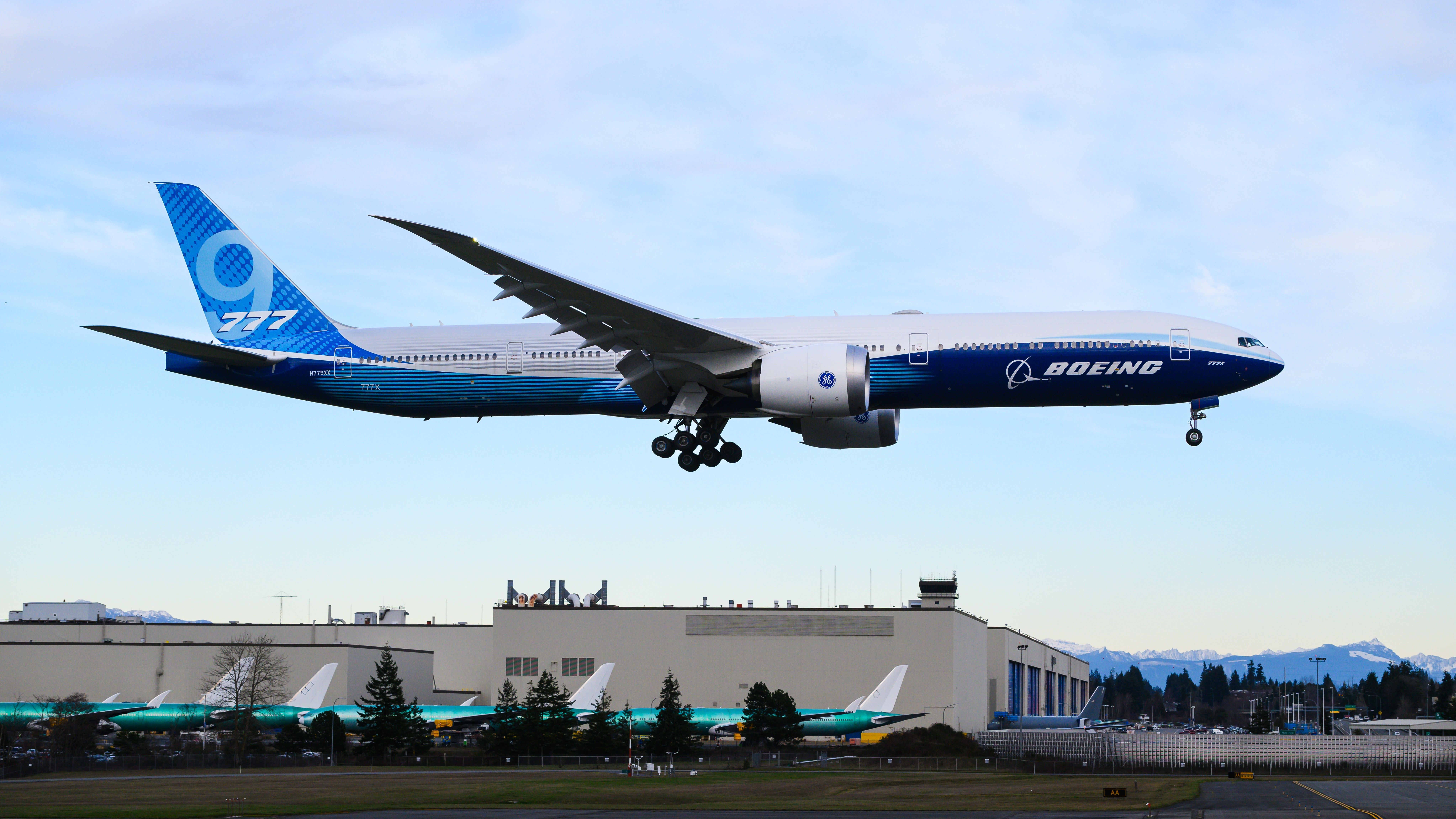
The issue was highlighted by Simple Flying, which noted that Boeing is not rushing toward a completely new jet while the 737 MAX 10 and 777-9 are still waiting for final certification.
That means Boeing’s next major chapter is not simply about designing something new. It is about getting delayed aircraft across the regulatory finish line after years of technical, production, and safety scrutiny.
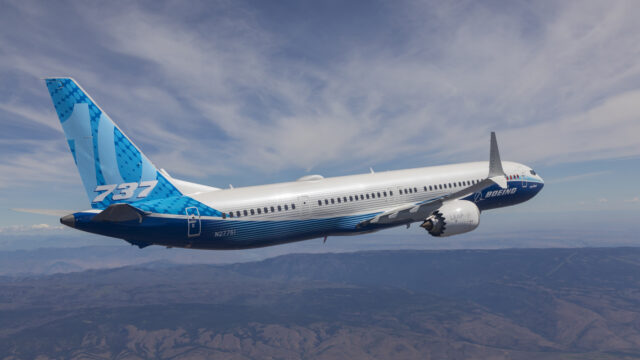
The 737 MAX 10 is the largest member of the MAX family and is especially important for airlines that need more seats without moving up to a larger aircraft category. But its certification has been delayed for years, partly because of additional regulatory review and technical work linked to the MAX program.
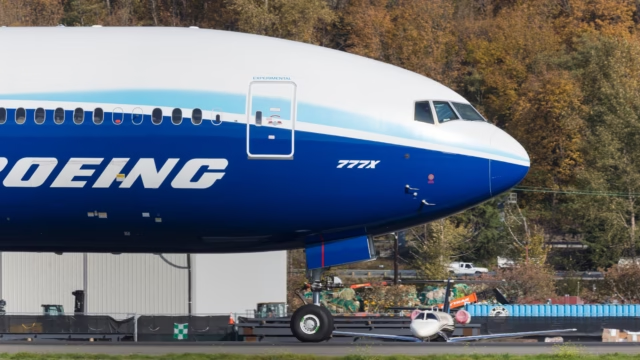
The 777-9 is just as important on the widebody side. It is the larger passenger version of the 777X family and is expected to become Boeing’s next major long-haul flagship once it enters airline service.
Reuters reported that a senior FAA official said certification of the Boeing 737 MAX 7 and MAX 10 is expected “soon,” while the 777X is expected to follow after the two MAX variants. The same report noted that Boeing has faced more intense certification scrutiny after the MAX crashes and later quality concerns. :contentReference[oaicite:1]{index=1}
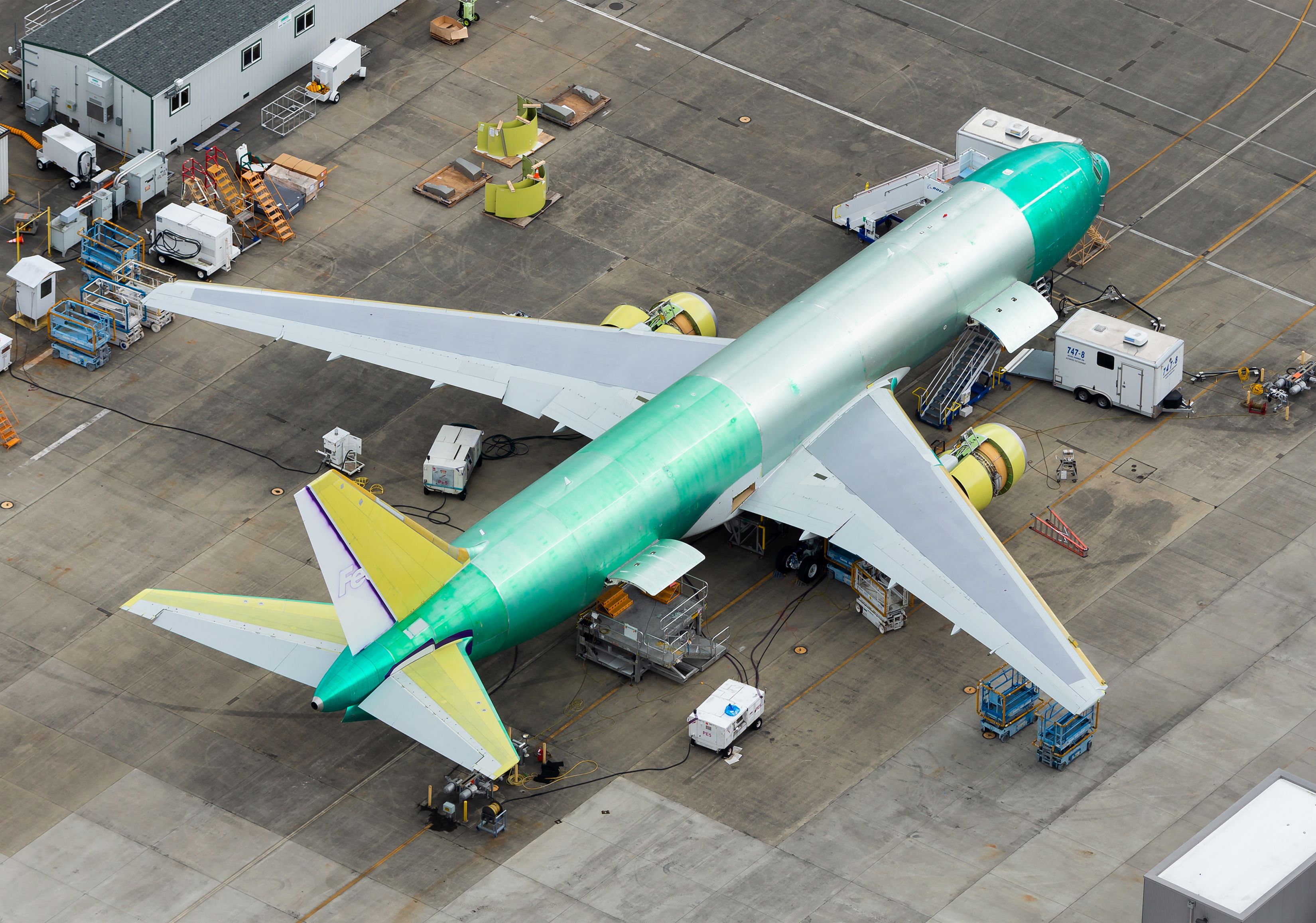
Boeing itself has described the path to certification for the new 737 MAX variants and the 777-9 as becoming clearer after years of flight testing, regulatory engagement, and analysis. The company said the certification work remains a central priority across those programs. :contentReference[oaicite:2]{index=2}
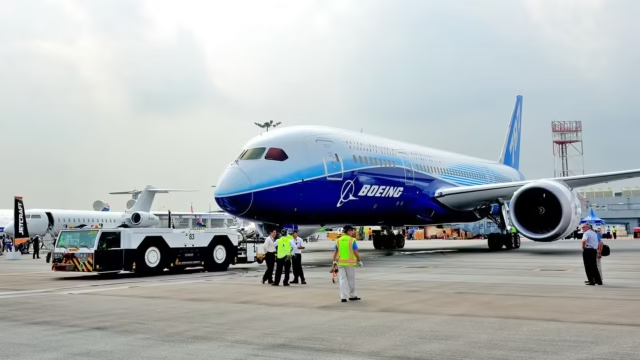
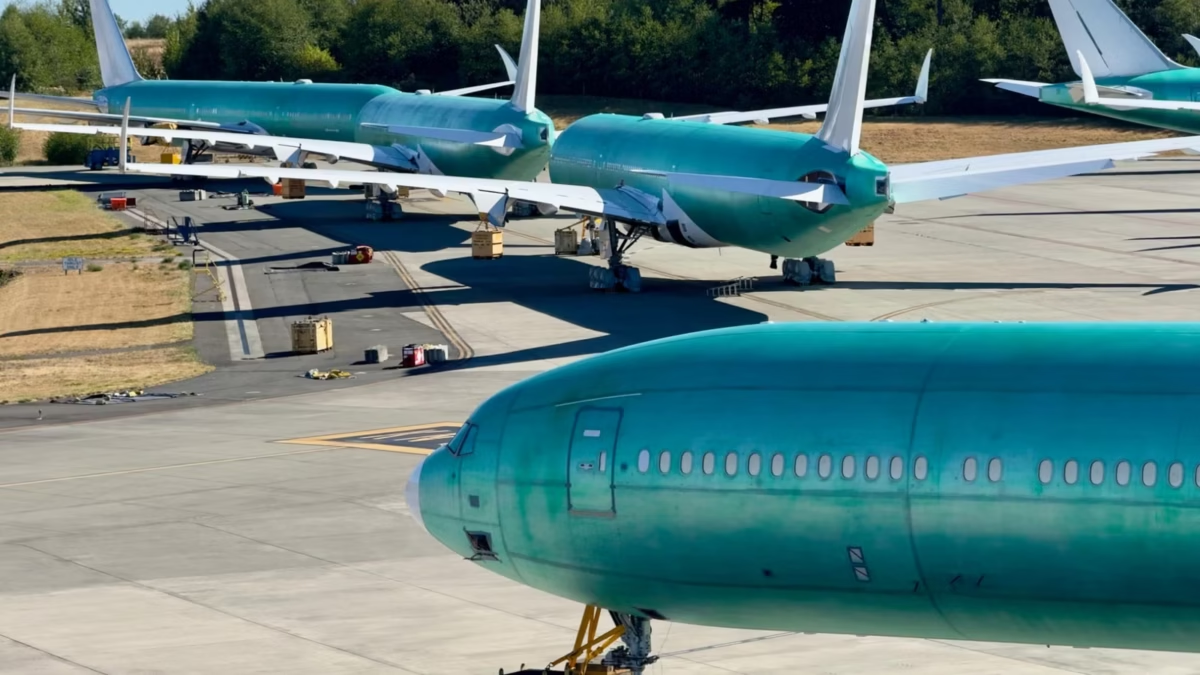
The company is also trying to rebuild trust with regulators and airline customers. The FAA recently said Boeing can again issue airworthiness certificates for all 737 MAX and 787 aircraft at the end of production, after months of safety review. The FAA had stopped allowing Boeing to issue those certificates for the 737 MAX after the Lion Air and Ethiopian Airlines crashes, and for the 787 because of production quality issues. :contentReference[oaicite:3]{index=3}
That makes the idea of an all-new Boeing jet more complicated. A clean-sheet aircraft would require huge investment, new technology, new production systems, and another long certification campaign. For now, Boeing appears to be more focused on finishing what it has already promised.
Reuters reported that airline executives at Farnborough also warned aircraft manufacturers not to rush a next-generation jet before the technology is mature. Boeing Commercial Airplanes CEO Stephanie Pope said the company is working on new technology, but its main focus remains certification and ramping production. :contentReference[oaicite:4]{index=4}
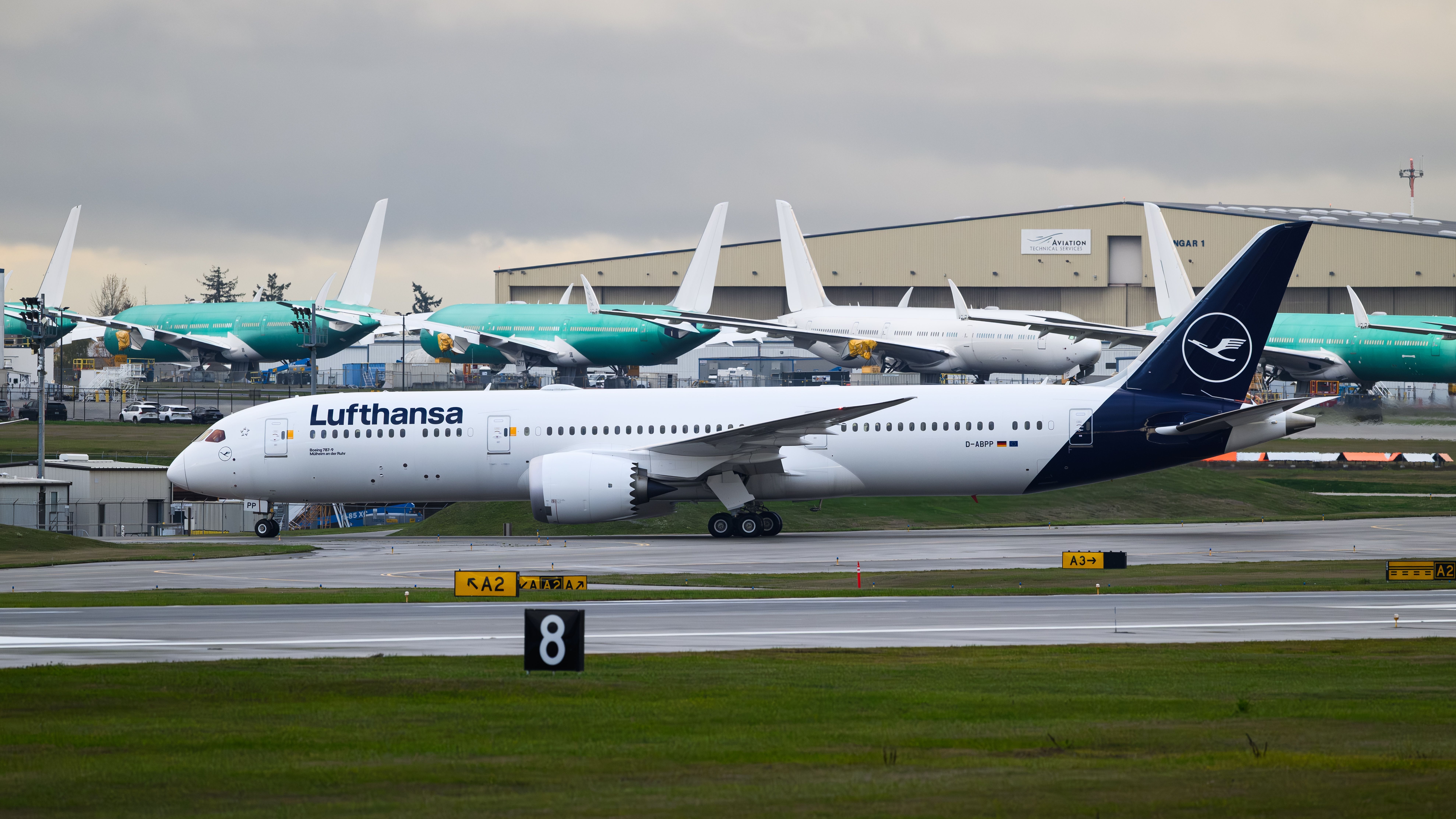
For airlines, the delay in a future all-new Boeing jet is not necessarily surprising. Many carriers still need Boeing to deliver existing aircraft reliably, including the 737 MAX family, the 787 Dreamliner, and the future 777X.
The challenge is that Airbus is also improving its own lineup, while airlines continue to plan fleet needs years in advance. If Boeing waits too long, it risks giving Airbus more room to strengthen its position. If Boeing moves too quickly, it risks creating another expensive and difficult certification challenge.
That is why the MAX 10 and 777-9 matter so much. They are not just individual aircraft programs. They are tests of whether Boeing can move major aircraft through certification, stabilize production, and rebuild confidence before launching something completely new.
For aviation watchers, the message is clear: Boeing’s next all-new jet is still part of the long-term conversation, but the company’s immediate future depends on finishing the aircraft already waiting in line.
Comments 0
No comments yet. Be the first to share your take.