Travelers flying through New York’s major airports faced another round of disruption as thunderstorms, cancellations, and air traffic control staffing issues put pressure on one of the busiest airport systems in the United States.
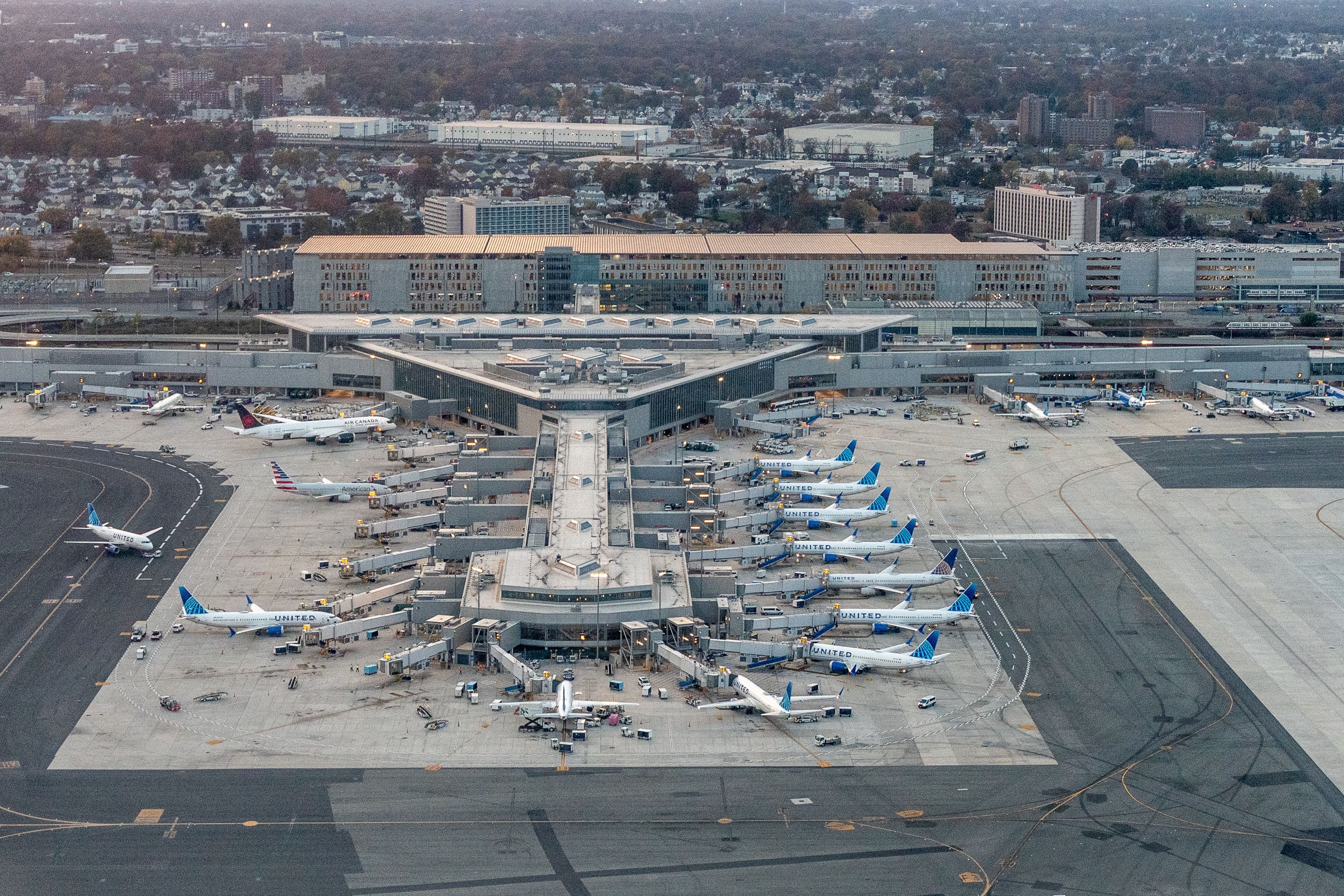
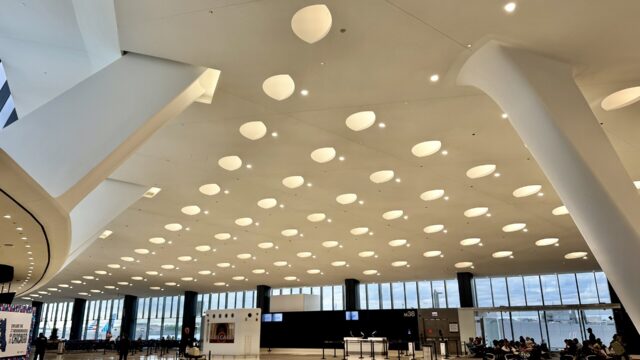
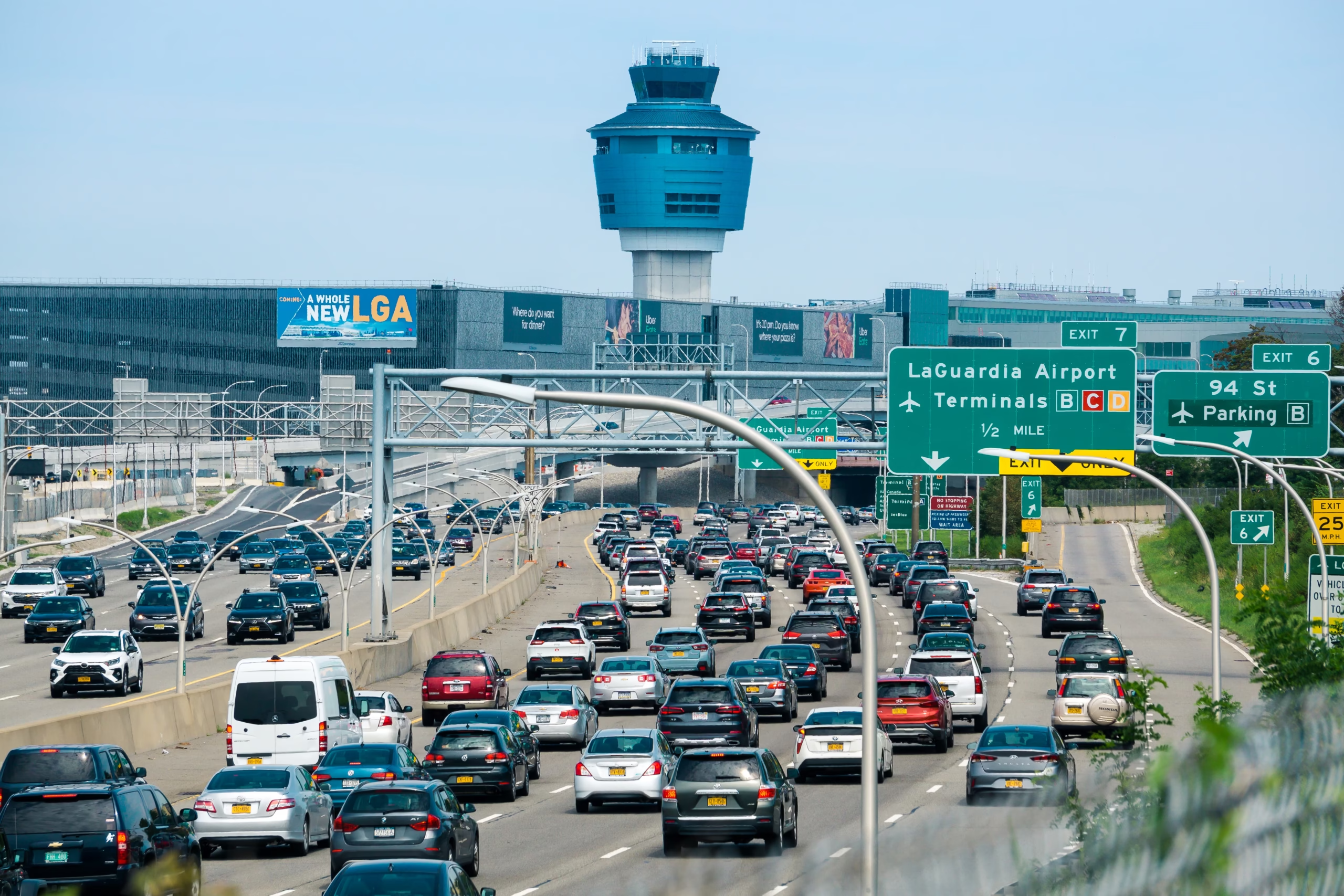
The disruption affected the wider New York airport network, including Newark Liberty International Airport, John F. Kennedy International Airport, and LaGuardia Airport. When storms move through the region, delays can build quickly because the three airports operate in dense, overlapping airspace with limited room for recovery.
According to Simple Flying, the latest disruption involved a mix of weather-related cancellations and air traffic control staffing concerns. That combination is especially difficult because storms reduce airport capacity, while staffing limits can make it harder for the system to recover once the weather improves.
Newark has been under particular attention in recent months. The airport is a major United Airlines hub, so disruptions there can quickly affect connecting passengers and aircraft rotations across the wider United network.
The issue is not only about one storm system. New York’s airport system already operates close to capacity, and the Federal Aviation Administration has extended flight limits at the region’s major airports because of congestion and air traffic control concerns. Reuters reported that Newark flight limits were extended through summer 2027, while JFK and LaGuardia limits were extended through late October 2028.
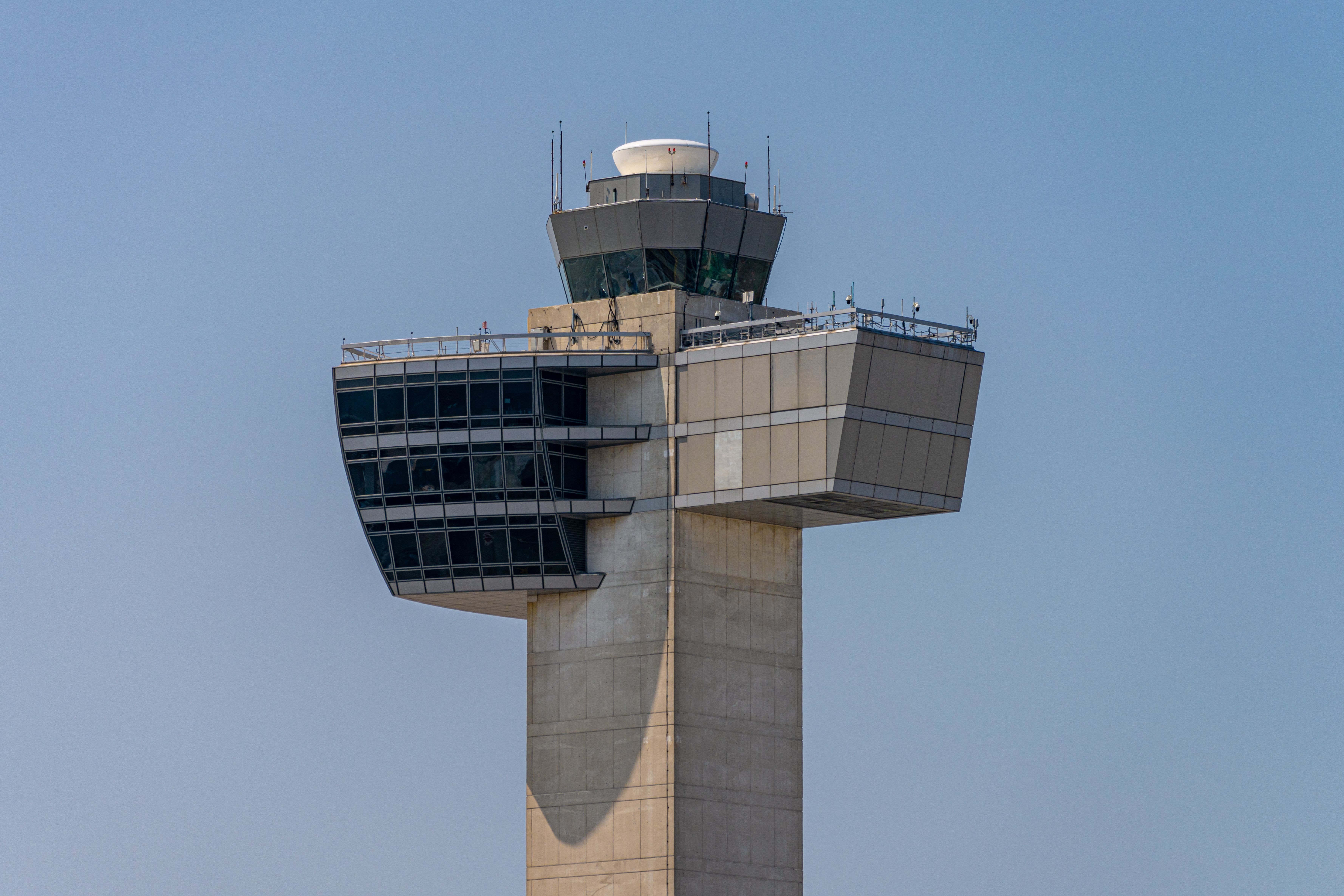
The FAA has also pointed to limited runway capacity at LaGuardia and heavy demand at JFK. Reuters reported that the agency warned severe congestion-related delays at JFK could create ripple effects at other airports without flight limits.
Staffing remains one of the most serious pressure points. Reuters reported that certified controller staffing at the New York Area Terminal Radar Approach facility was only 57% of targeted levels, while controller shortages have forced mandatory overtime and six-day workweeks at many facilities.
For passengers, the result can feel unpredictable. A flight may be delayed by thunderstorms, held because of traffic volume, or canceled because an aircraft and crew are trapped somewhere else in the system. Even after the weather clears, the recovery can take hours because aircraft, crews, gates, and passenger connections are already out of position.
The disruption also shows why New York airport delays matter far beyond the city. Newark, JFK, and LaGuardia serve large domestic and international networks, and problems at any one of them can spread across the national airspace system.
For aviation watchers, the latest cancellations are another reminder that airport reliability is not only about weather. In New York, storms expose deeper problems: limited runway capacity, crowded airspace, controller staffing shortages, and a system with very little spare room when something goes wrong.
Comments 0
No comments yet. Be the first to share your take.