
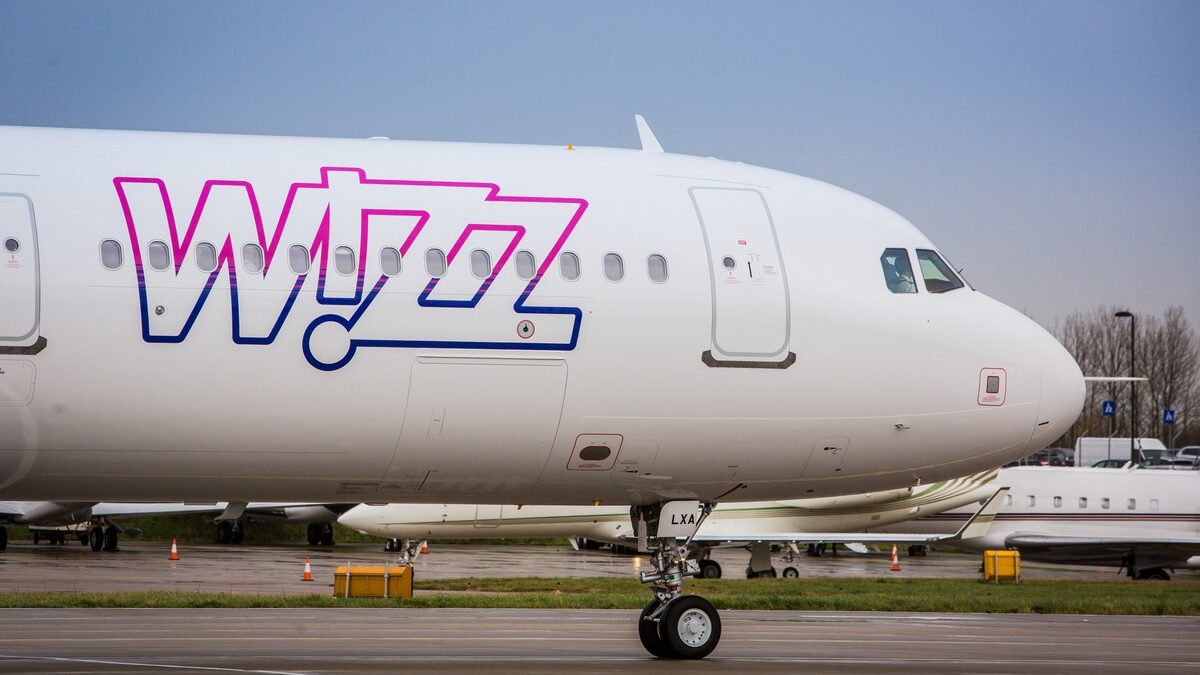
Boeing and Wizz Air are backing one of the strangest-sounding ideas in sustainable aviation: turning treated sewage into jet fuel.

The project centers on Firefly Green Fuels, a British startup working on a process that converts sewage sludge into crude oil, which can then be refined into sustainable aviation fuel, or SAF.
According to Live and Let’s Fly, Firefly has now signed a partnership with Turkish engineering firm Altaca Energy to provide hydrothermal liquefaction technology. That step matters because hydrothermal liquefaction is the upstream process that turns wet organic waste into a crude-like product before it can be refined into aviation fuel.
The idea sounds unusual, but the logic is simple. Airlines need huge amounts of cleaner fuel, and traditional SAF feedstocks such as used cooking oil, crop waste, and other bio-based materials are limited. Sewage sludge, by contrast, is produced continuously by cities around the world.
Wizz Air has already put money behind the concept. The airline invested £5 million in Firefly and signed a 15-year agreement to buy up to 525,000 tonnes of sewage-derived SAF starting from 2028.

The move fits Wizz Air’s wider environmental strategy as European airlines face growing pressure to use more sustainable aviation fuel. The carrier has publicly targeted 10% SAF usage by 2030, making early access to alternative fuel supplies strategically important.
Boeing’s interest is different. Wizz Air currently operates an all-Airbus fleet, but Boeing has made sustainable aviation fuel a major part of its long-term aircraft strategy. The manufacturer has committed to making its commercial aircraft capable of flying on 100% SAF by 2030.
For Firefly, the biggest promise is that sewage sludge does not compete directly with food crops and does not depend on restaurants producing enough used cooking oil. If the process works at commercial scale, it could create a new fuel source from a waste stream that cities already need to manage.
But the project also faces serious questions. Sewage-derived fuel still has to be produced, refined, certified, transported, blended, and delivered into normal airport fuel systems. That means the environmental benefits depend not only on the chemistry, but also on the full supply chain.

There are also cost questions. SAF remains more expensive than conventional jet fuel, and many cleaner-fuel projects struggle when they move from promising laboratory results to large-scale commercial production.
Still, the sewage-fuel idea is gaining attention because aviation has few easy decarbonization options. Batteries are not practical for long-haul flying today, hydrogen aircraft remain years away from widespread use, and airlines still need liquid fuel for most of their fleets.
That makes sustainable aviation fuel one of the most realistic near-term tools for cutting emissions from existing aircraft. If Firefly can make sewage-derived SAF work at scale, the project could turn an unglamorous waste problem into a new fuel source for commercial aviation.
For aviation watchers, the story is strange but important. The future of flying may not be powered only by cleaner aircraft designs or more efficient engines. It may also depend on finding fuel in places the industry once ignored — including the waste streams beneath every major city.