A British Airways passenger dispute over a paid seat fee has reportedly turned into a much bigger problem after the airline canceled the traveler’s ticket following a chargeback.
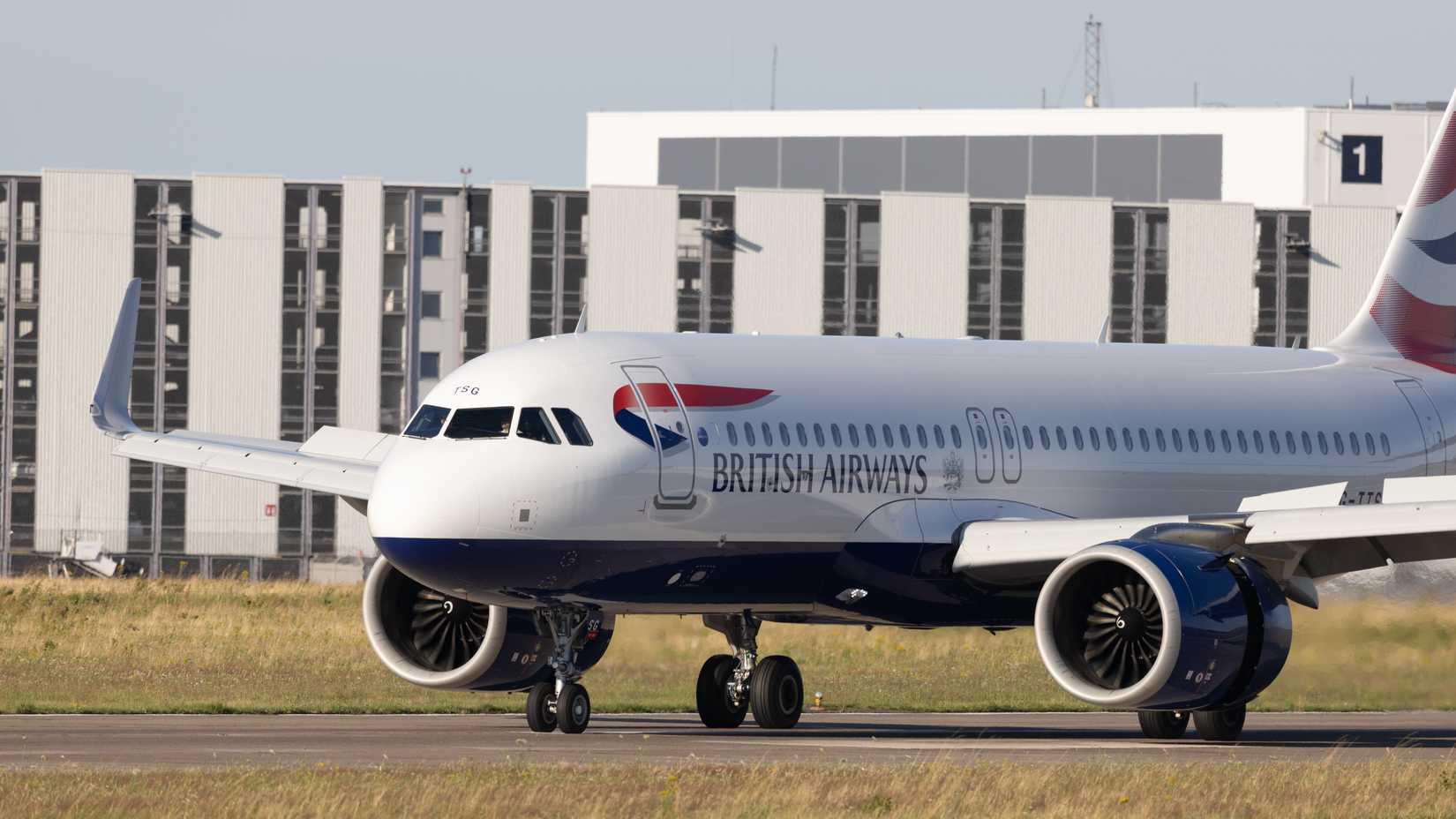
The case was highlighted by Simple Flying, which reported that the passenger had challenged a seat-selection charge through their bank, only for British Airways to later cancel the wider ticket connected to the booking.
At first glance, the dispute may sound small. Paid seat selection is an add-on fee, separate from the base fare. But in airline reservation systems, payments, ticketing, seats, and passenger records can be closely linked. When one charge is disputed, the airline may treat the booking as financially unresolved.
That is what makes chargebacks risky while a trip is still active. A passenger may believe they are disputing only one fee, but the airline may see the dispute as a payment problem attached to the reservation.
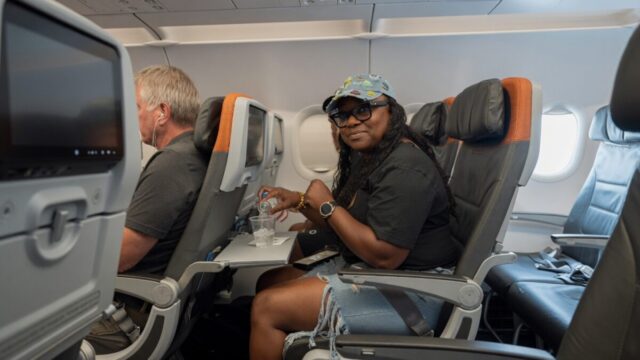
British Airways charges for some seat selections, depending on route, cabin, fare type, status, and timing. Travelers can often choose a seat for free from 24 hours before departure, but selecting a seat earlier may require payment.
The refund rules for those seat fees are stricter than many passengers expect. British Airways says paid seating is generally non-refundable unless specific conditions apply, such as the airline canceling the flight or changing the passenger’s seat and the passenger being unhappy with the alternative.
That creates a common passenger frustration. A traveler may pay extra to sit together, move forward in the cabin, or secure a specific type of seat. But if the seat is changed, the booking is modified, or the passenger believes the charge was wrong, getting the fee back can become a separate refund process.
For passengers, the safer path is usually to collect proof first. That means saving the seat receipt, ticket confirmation, screenshots of the seat map, bank transaction details, emails from the airline, and any case-reference numbers from customer service.
If the airline refuses to resolve the issue, travelers may still have escalation options. In the United Kingdom, unresolved airline complaints can be taken to an approved alternative dispute resolution provider, and British Airways directs unhappy customers to CEDR after its internal complaint process.
A chargeback may still be appropriate in some cases, especially where a service was not delivered or the airline will not respond. But the timing matters. Starting a chargeback before all travel is complete can create risk if the disputed payment is tied to an active reservation.
The lesson from this case is not that passengers should never challenge incorrect charges. It is that airline systems do not always separate a small add-on fee from the wider booking in the way travelers expect.
That is why this story matters. A seat-selection fee may feel like a small extra charge, but once a bank dispute enters the process, the airline may treat the booking as a payment issue — and the passenger can suddenly face a much bigger travel problem than the original seat fee.
Comments 0
No comments yet. Be the first to share your take.