Boeing’s 777-8 Freighter is one of the most important new cargo aircraft in development, but its path to service is now being shaped by a larger problem: the long-running certification delays surrounding the 777X passenger program.
The aircraft is designed as the next major step in Boeing’s widebody cargo lineup, offering airlines a modern replacement path for older large freighters while meeting stricter efficiency and emissions expectations. However, because the 777-8F belongs to the wider 777X family, its timeline is closely linked to the certification progress of the passenger aircraft that came before it.
The main issue is that Boeing still needs to get the passenger 777X certified before the freighter version can move fully into its own delivery cycle. The 777-9, the largest passenger version of the 777X, has faced years of delays, pushing the program far behind its original schedule.
Boeing had once planned to bring the 777X into airline service years earlier, but certification work, flight testing, production challenges, and earlier technical setbacks have repeatedly shifted the timeline. The first passenger 777X delivery is now expected in 2027, making the freighter’s schedule more difficult to protect.
That creates a frustrating situation for cargo operators. The 777-8F is not being delayed because airlines do not want it. In fact, the aircraft has attracted major interest from freight carriers that need a new-generation long-haul freighter with strong payload capability and lower operating costs.
Qatar Airways was the launch customer for the 777-8 Freighter, while other cargo-focused operators have also shown interest in the aircraft. Boeing has described the freighter as a high-efficiency aircraft designed to offer strong payload performance while reducing fuel burn and emissions compared with older freighter types.
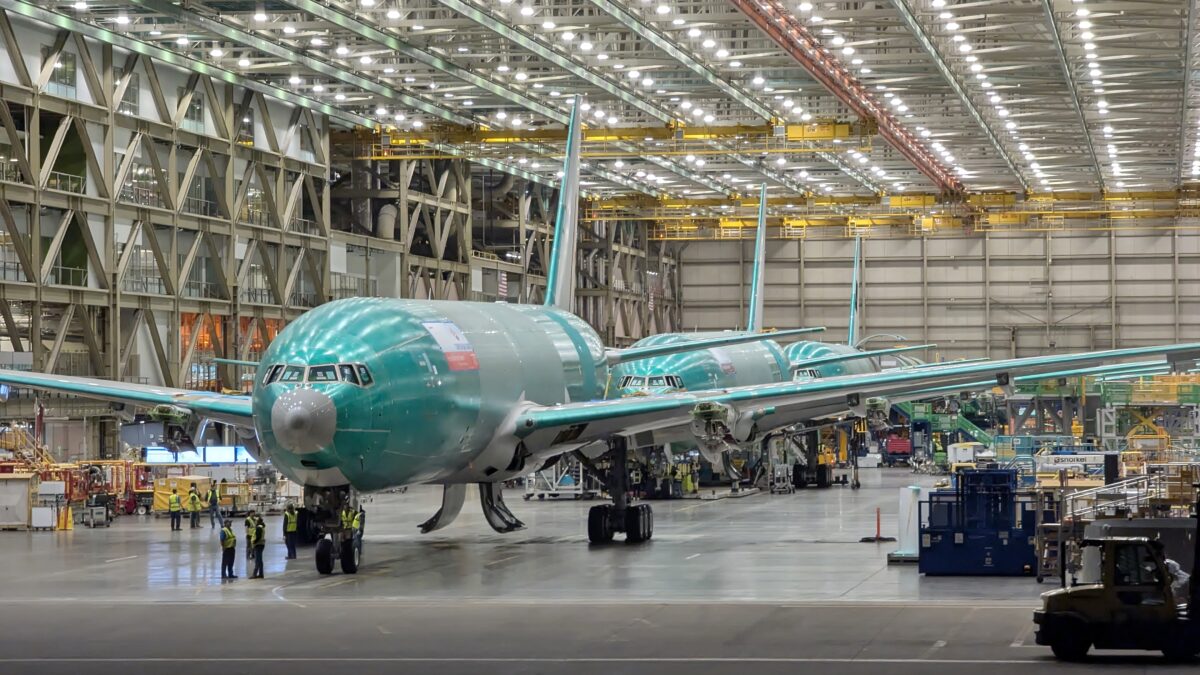
Production work on the 777-8F has already begun, but delivery timing remains tied to the bigger 777X certification picture. If the passenger aircraft continues to move slowly through regulatory approval, the freighter version risks being pushed further down the timeline as well.
The delay matters because the cargo aircraft market is entering an important transition period. Airlines and freight companies need to replace aging large freighters, especially as older aircraft face rising maintenance costs and stricter environmental rules. The 777-8F is expected to play a major role in that replacement cycle, but only if Boeing can get the broader 777X program across the certification finish line.
For Boeing, the 777-8F remains a valuable aircraft with a clear market. But for now, it is effectively trapped behind the passenger 777X program. Until the 777-9 reaches certification and first delivery, the freighter’s commercial future will continue to depend on how quickly Boeing and regulators can move the wider 777X family forward.