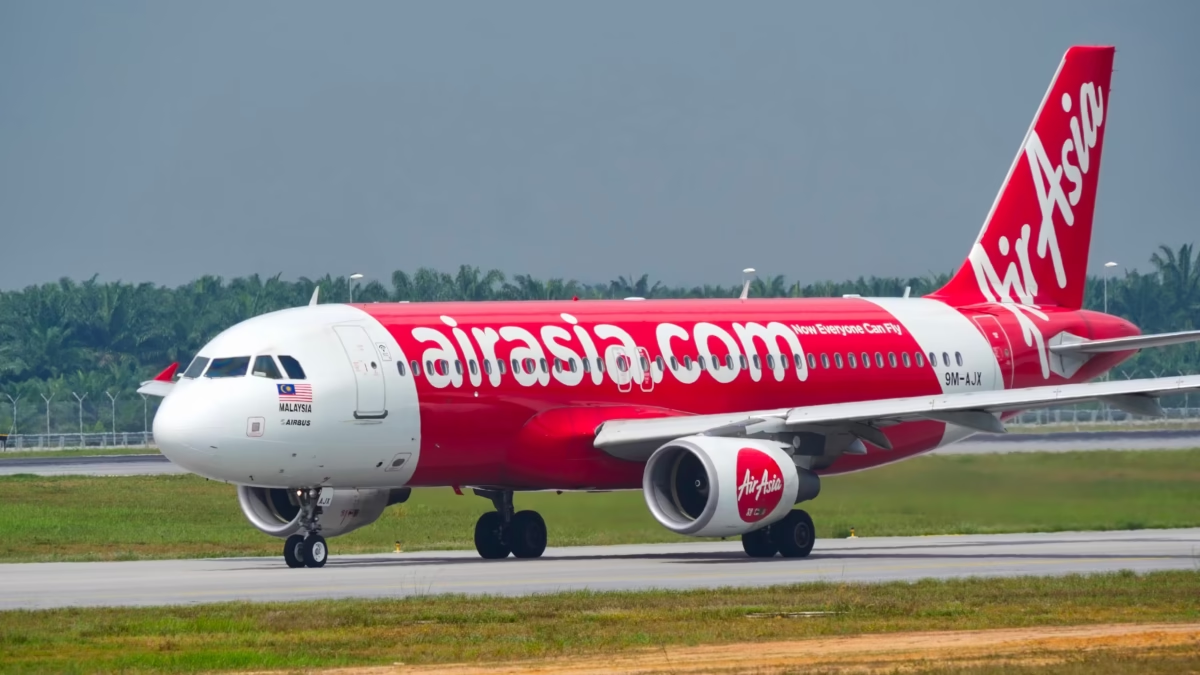
AirAsia X helped popularize one of the boldest ideas in modern airline history: low-cost long-haul flying using widebody aircraft.

The airline took the short-haul budget-carrier formula and stretched it across international routes, using Airbus A330 aircraft to connect Malaysia with destinations across Asia, Australia, and beyond. For passengers, the idea was simple: fewer extras, lower fares, and the chance to fly much farther for less money.
At the time, that made AirAsia X one of the most closely watched experiments in global aviation. Long-haul flights were usually dominated by full-service carriers, premium cabins, connecting hubs, and expensive tickets. AirAsia X challenged that by trying to fill large aircraft with price-sensitive travelers.
The model made sense when demand was strong and seats could be filled at scale. A widebody such as the Airbus A330 can carry many passengers, which helps spread operating costs across more seats. But that same advantage can quickly become a weakness if fuel prices rise, demand softens, or a route cannot consistently support a large aircraft.
That is the core problem with low-cost long-haul widebody flying. The airline must keep fares low enough to attract budget travelers, but the aircraft still brings long-haul fuel burn, crew costs, maintenance costs, airport charges, and the pressure to fill hundreds of seats on every departure.
AirAsia X eventually became a symbol of both the promise and the limits of the idea. It proved that low-cost long-haul could attract passengers, but it also showed how difficult the economics can become when the model depends heavily on widebody aircraft and dense leisure demand.
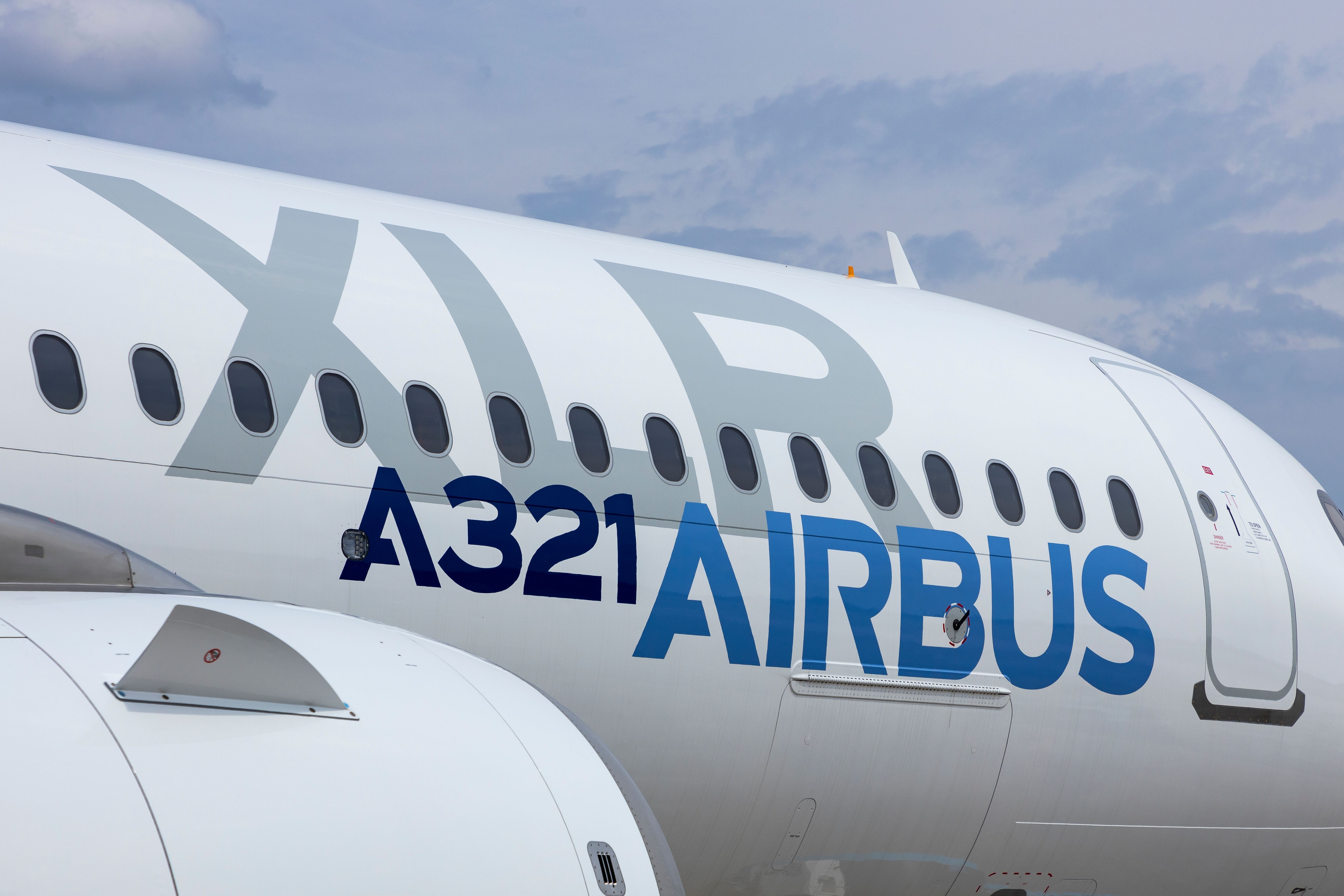
Newer aircraft have changed the equation. Long-range narrowbodies such as the Airbus A321XLR allow airlines to fly thinner long-haul or medium-haul routes with fewer seats to fill. That gives low-cost carriers more flexibility than a large widebody on routes where demand is strong, but not strong enough for a full A330.
This does not mean AirAsia X abandoned long-haul flying completely. Instead, the wider AirAsia group has been moving toward a more flexible future where smaller, more efficient aircraft can take over routes that once required larger jets.
The change is important because it suggests the original widebody-heavy low-cost long-haul model may no longer be the best answer. The future may still involve cheap long-distance travel, but with aircraft that are easier to fill, cheaper to operate, and better suited to thinner city pairs.
AirAsia X’s story is therefore not just about one airline. It is about how the airline industry keeps rewriting its own business models. What looked disruptive in one era can become too heavy or too risky in the next.
For aviation watchers, the lesson is clear: AirAsia X did not simply prove that low-cost long-haul flying was possible. It also helped reveal why the model had to evolve. The airline helped create the widebody budget long-haul idea, and now the market is moving toward a version that may depend less on widebodies than ever before.