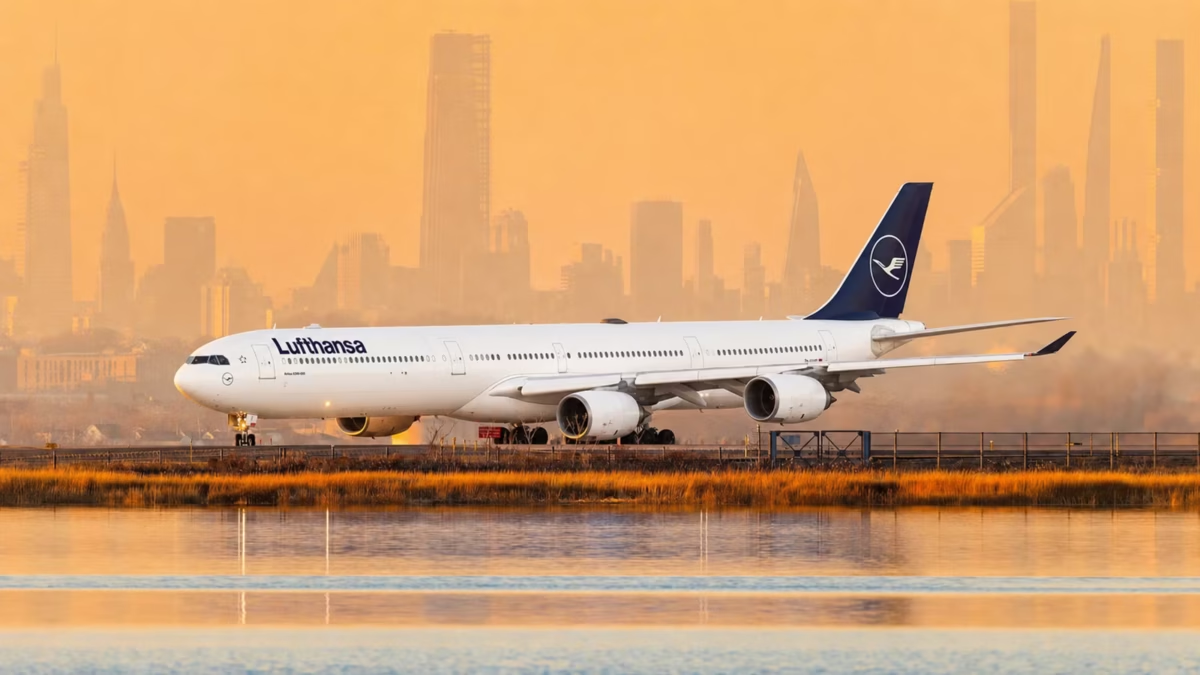
Lufthansa’s Airbus A340-600 era is coming to an end, but the aircraft may not disappear completely from aviation fans’ lives.
The German flag carrier has been gradually moving away from older four-engine long-haul aircraft as newer and more efficient widebodies take over. The Airbus A340-600, once one of Lufthansa’s most recognizable long-haul aircraft, is now being sunset as part of that fleet transition.
According to Simple Flying, aviation fans may still have a chance to keep part of that history. As the A340-600 leaves the fleet, parts connected to the aircraft are being turned into collectible items, giving enthusiasts a rare way to own a piece of Lufthansa’s long-haul past.
The A340-600 was not a small aircraft. It was one of the longest passenger jets ever built, known for its stretched fuselage, four engines, and long-range capability. For years, Lufthansa used the type on premium-heavy intercontinental routes where range, cabin space, and passenger capacity mattered.
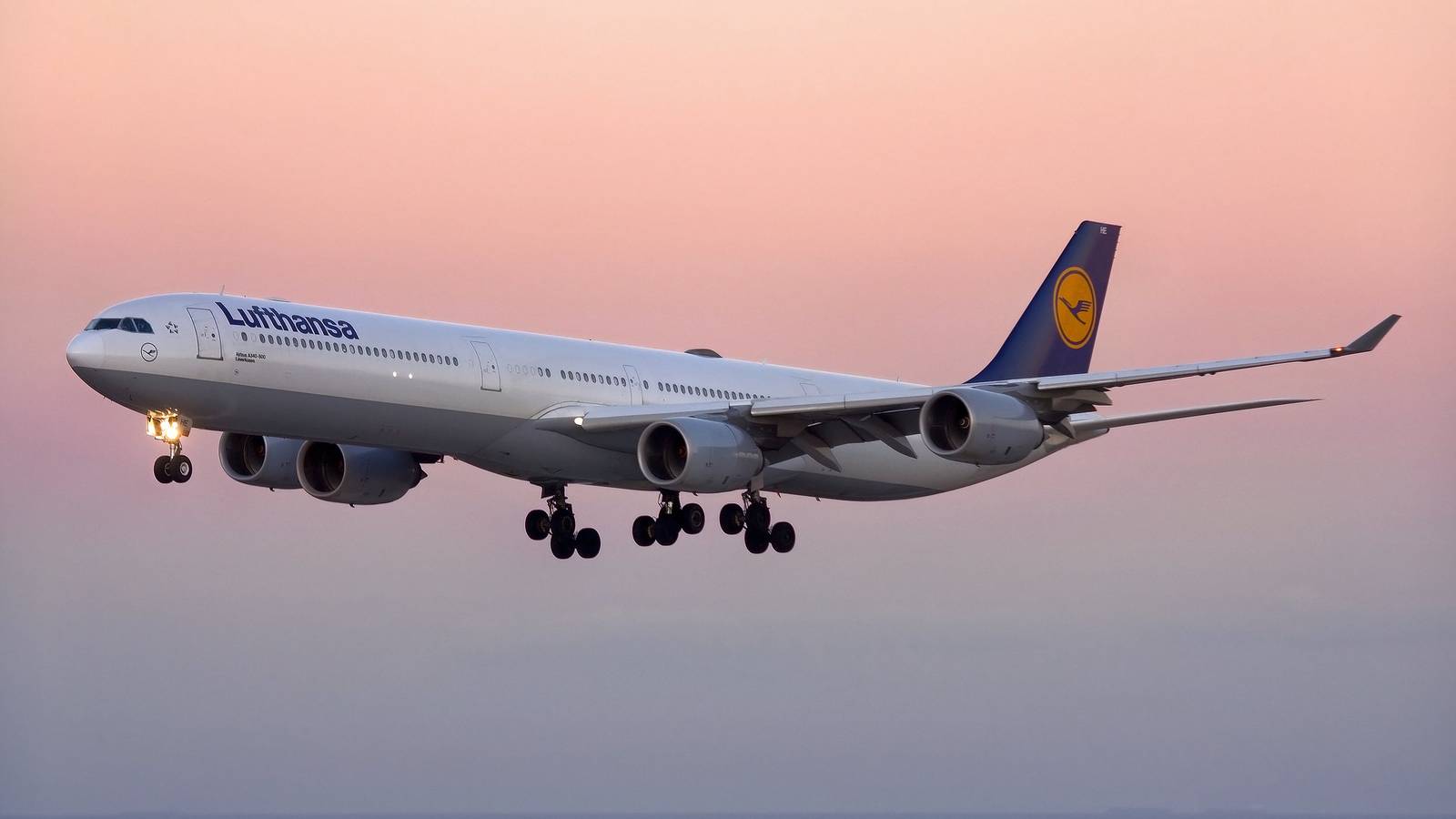
But the aircraft also belongs to a different era of airline economics. Four-engine widebodies have become harder to justify as fuel prices, maintenance costs, and environmental pressure push airlines toward newer twin-engine aircraft such as the Airbus A350 and Boeing 787.
That is why Lufthansa’s A340-600 retirement is not surprising. The aircraft helped carry the airline through an important long-haul period, but its role has become more difficult to defend as modern aircraft offer lower fuel burn and more efficient operations.
For aviation collectors, however, the end of the aircraft’s active life creates a different kind of value. Retired aircraft can be broken down, recycled, or converted into limited aviation memorabilia. A small piece of fuselage, cabin material, or aircraft skin can become a physical reminder of a jet that once flew thousands of passengers around the world.
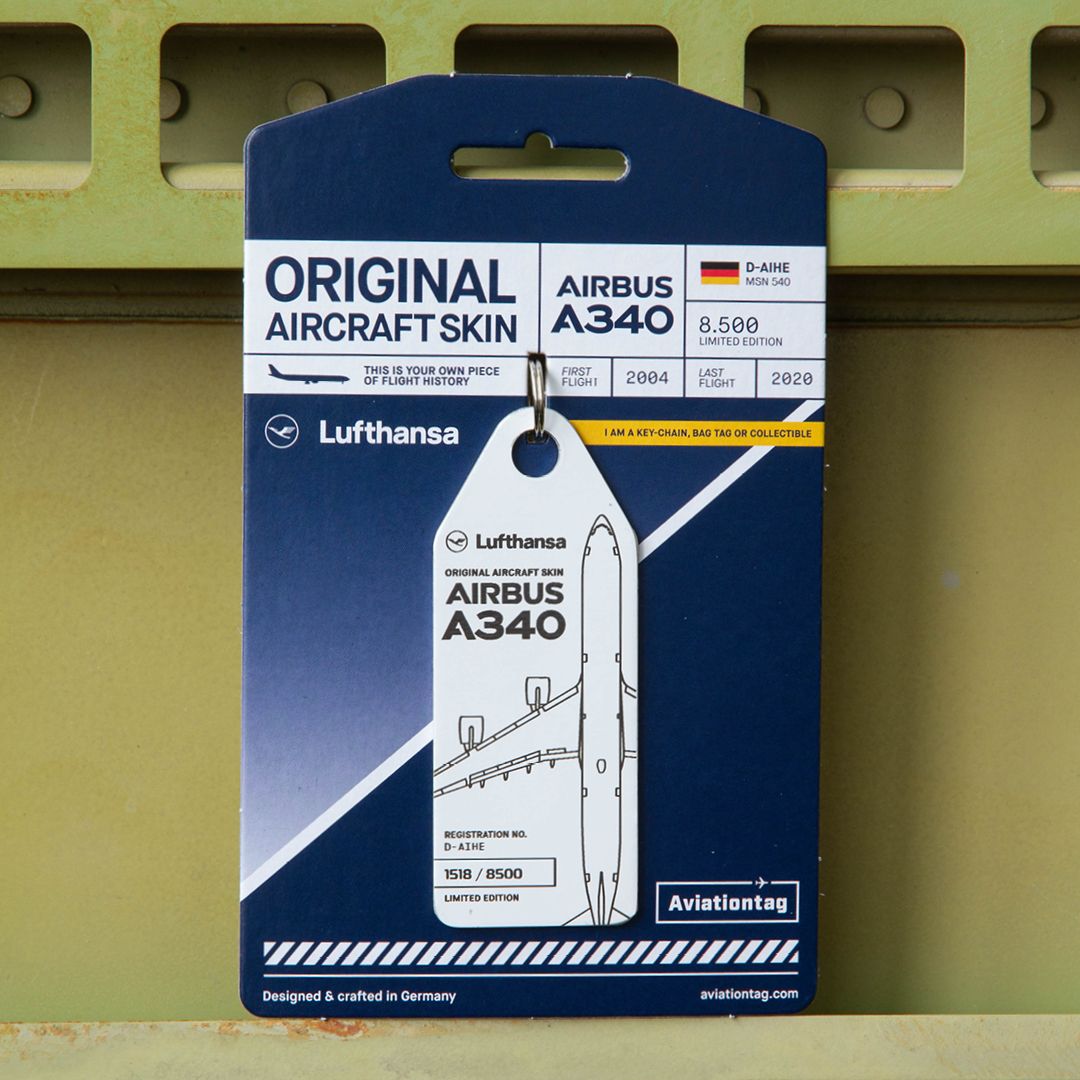
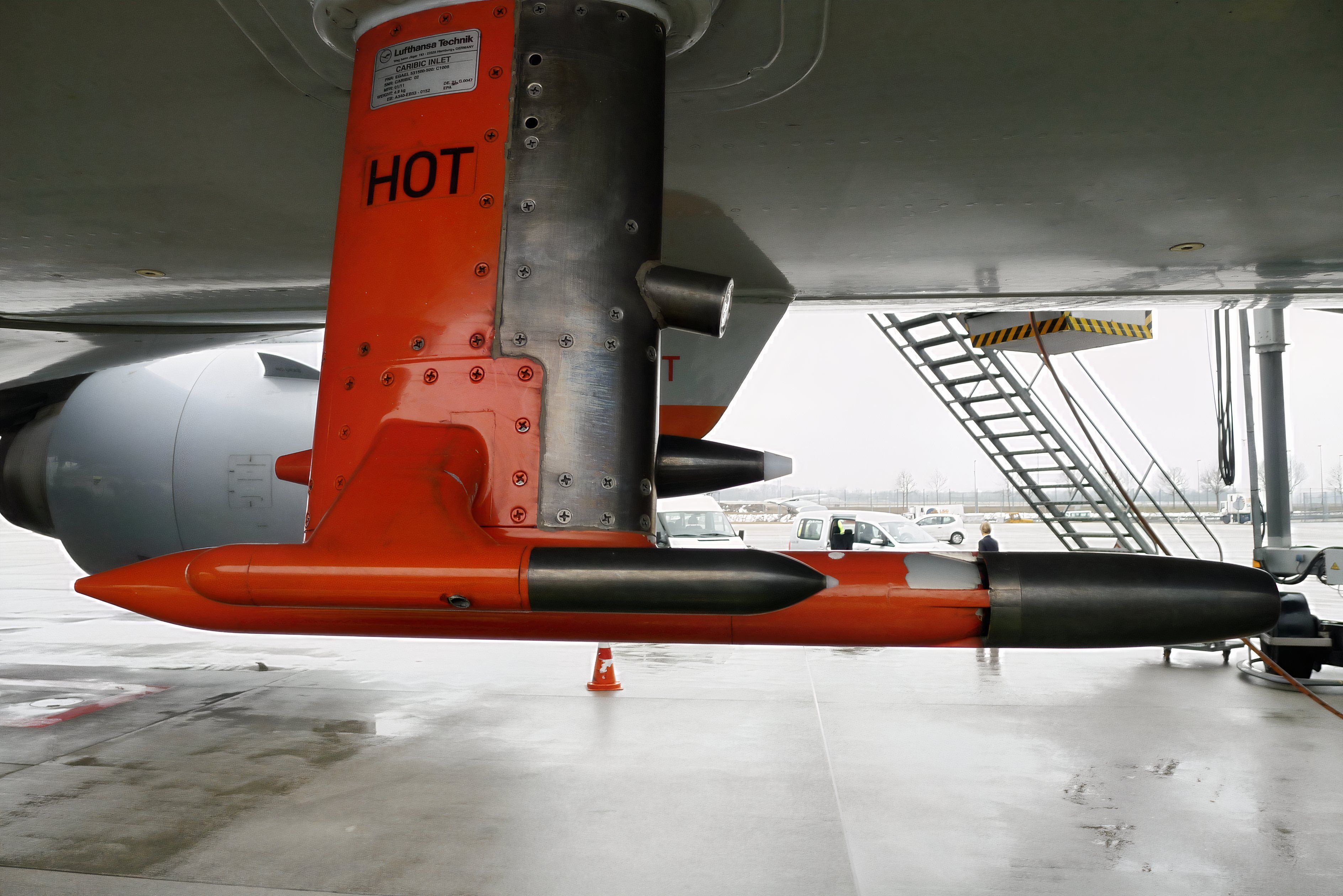
One aircraft connected to this story is Lufthansa A340-600 D-AIHE, a jet remembered not only as a passenger aircraft, but also for its connection to scientific atmospheric research. The aircraft carried equipment linked to the CARIBIC project, which used regular long-haul flights to collect atmospheric data.
That gives the aircraft an unusual legacy. It was not just a long-haul passenger jet. It also became part of a scientific platform that helped researchers study the atmosphere from a commercial airliner flying normal routes.
The retirement of the A340-600 also marks another step in the wider decline of four-engine passenger aircraft. Airlines around the world have already retired many Airbus A340s, Boeing 747s, and Airbus A380s, replacing them with more efficient twinjets that can fly similar missions with fewer engines and lower operating costs.
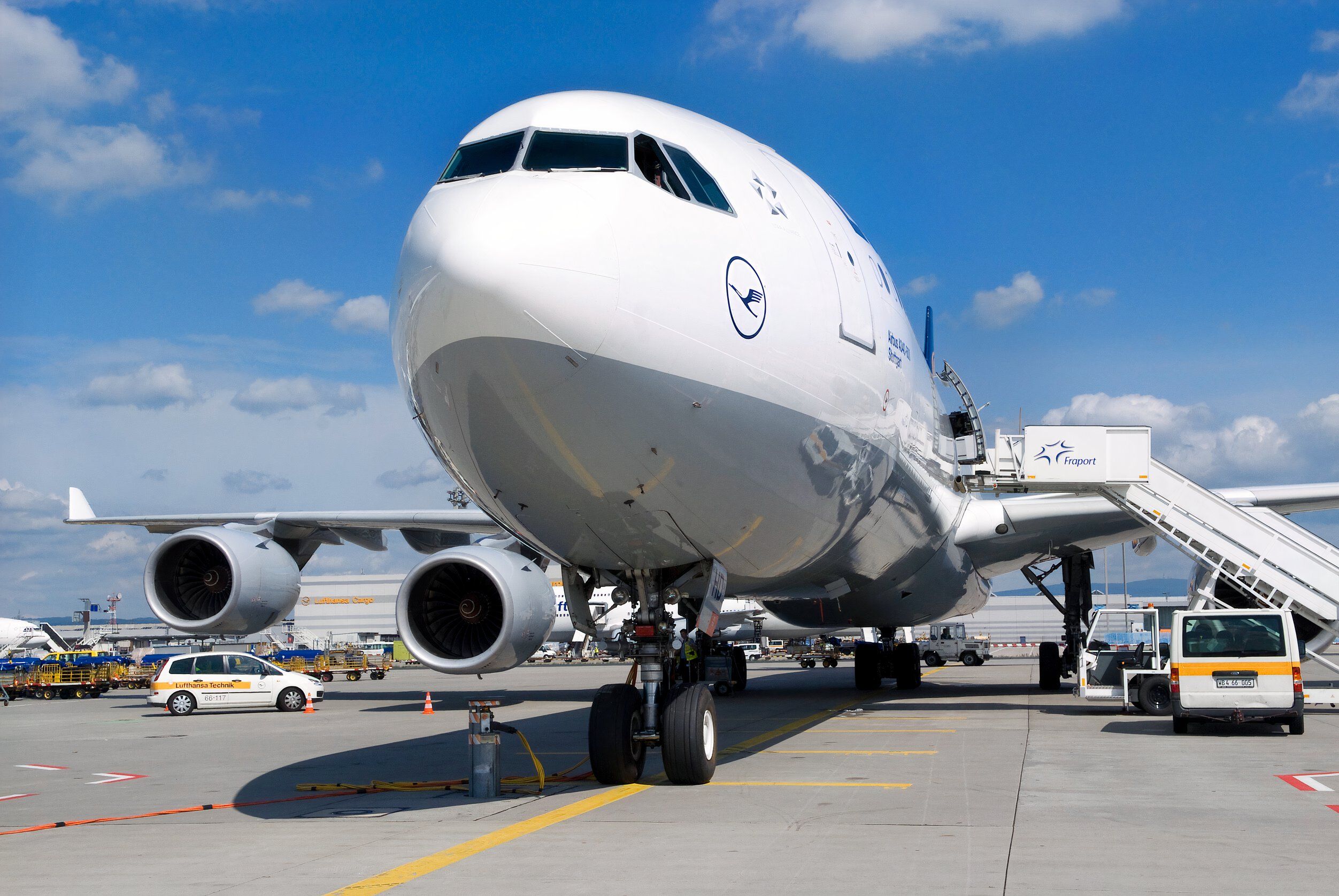
For passengers, the change means fewer chances to fly on one of the last major four-engine Airbus widebodies in regular airline service. For Lufthansa, it means a cleaner, more efficient long-haul fleet. For collectors, it creates a rare opportunity to save a small part of the aircraft before it disappears from the skies.
The A340-600 may be leaving Lufthansa’s schedule, but its story will continue in another form. Some pieces may end up in collections, on desks, or in display cases — a reminder of the era when long-haul flying still often meant four engines and a very long fuselage.