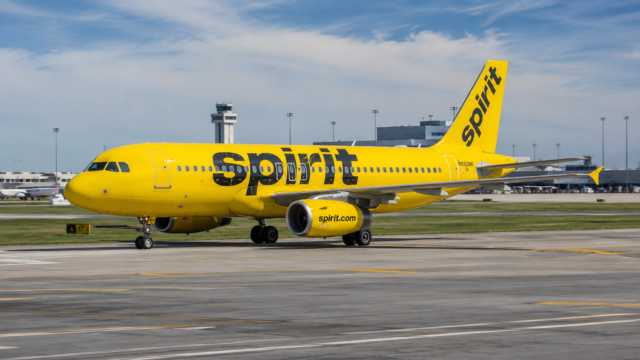
Two Irish aircraft lessors have asked India’s Directorate General of Civil Aviation to deregister four Boeing 737 MAX jets leased to SpiceJet, according to a regulator document reported by Reuters.
The requests introduce a new fleet risk for the Indian carrier. Reuters said SpiceJet did not immediately respond to a request for comment, and its report did not identify the aircraft registrations, explain why the lessors filed the applications or say whether the jets are currently operating.
A deregistration request is also not the same as a completed repossession. Until the DGCA acts and the aircraft’s status is confirmed, the four jets should not be described as having left SpiceJet’s fleet.
Why deregistration matters
Aircraft leasing contracts commonly use an Irrevocable Deregistration and Export Request Authorisation, known as an IDERA. The mechanism is part of the Cape Town Convention framework and is designed to let an authorised creditor ask a national aviation authority to remove an aircraft from the register and facilitate its export when contractual enforcement is required.
An International Bar Association overview of India’s aviation framework says the country has been working to streamline deregistration, repossession and export procedures under the Cape Town system. The process is important to lessors because a predictable recovery route can reduce financing risk and influence the terms available to airlines.
Potential pressure on SpiceJet’s capacity
If the applications are approved and the aircraft are subsequently repossessed or exported, SpiceJet could lose access to four modern narrowbody jets. The operational effect would depend on whether the aircraft are presently serviceable and scheduled, and whether the airline can deploy replacements.
The 737 MAX is designed for short- and medium-haul services, making each available airframe useful during periods of strong demand. Losing four aircraft could affect schedule resilience, but no cancellations or route changes have been linked to the applications.
The filings may also draw attention from other leasing companies. Fleet owners closely watch how airlines meet their obligations and how quickly local regulators process enforcement requests. However, the Reuters report did not state that SpiceJet had defaulted, so the reason for the applications remains unconfirmed.
What happens next
The key developments will be the DGCA’s response, identification of the four aircraft, confirmation of their operational status and a statement from SpiceJet. Any effect on passengers will depend on those details.
For now, the confirmed development is limited: two lessors have requested deregistration of four SpiceJet-operated 737 MAX aircraft. The applications signal potential fleet pressure, but the final outcome has not been determined.