Delta Air Lines is designing its future Boeing 787-10 fleet around a dramatic shift toward premium travel: more than half of the seats will be premium products, while the airline simultaneously introduces a stripped-down “Basic Business” fare for Delta One.
The two moves point in the same direction. Delta wants more high-value seats on its long-haul aircraft, but it also wants to sell those seats through a wider range of fare bundles—charging separately for flexibility, mileage earning, advance seat choice and parts of the airport experience.
More than half the 787-10 will be premium
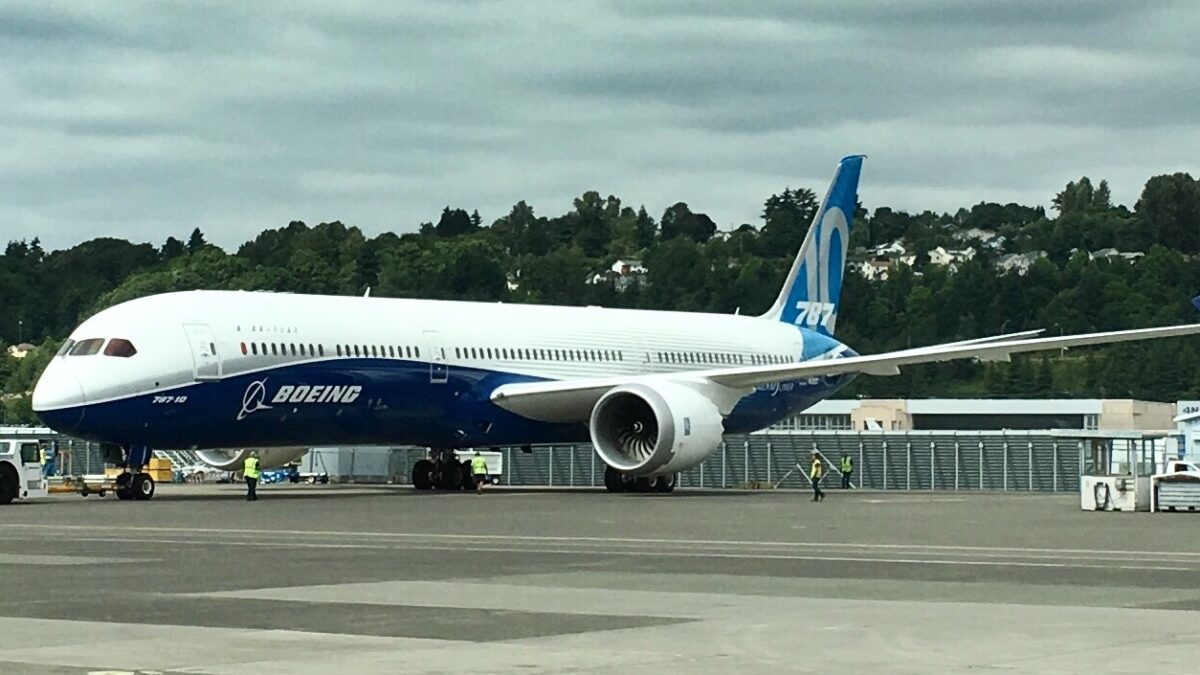
Delta Chief Commercial Officer Joe Esposito said during the airline’s July 10 earnings call that the incoming 787-10 will move from the roughly 30% premium-seat mix found on the Boeing 767s it will replace to more than 50% premium seating.
Delta has ordered 30 Boeing 787-10s, with options for 30 more. Deliveries are expected to begin in 2031, giving the airline time to finalize the exact seat map, cabin count and Delta One product.
The aircraft are expected to focus heavily on transatlantic flying, where aging 767-300ERs and 767-400ERs still perform much of Delta’s work. The larger 787-10 offers substantially more passenger space and cargo capacity while supporting the airline’s plan to retire older, less efficient widebodies.
Delta has not yet confirmed whether the aircraft will receive its newest Delta One suite. The headline number—more than half the seats in premium products—may include Delta One, Delta Premium Select and Delta Comfort rather than business class alone. Until Delta releases an official seat map, any specific cabin count remains speculative.
Why Delta is making such a large premium bet
The financial case is clear. Delta reported that premium-product revenue increased 17% year over year in the June 2026 quarter, while premium corporate sales rose by more than 25%. Premium products and other diversified revenue streams represented 61% of adjusted operating revenue.
That performance gives Delta a strong incentive to dedicate more floor space to higher-yield cabins. A premium-heavy 787-10 could generate more revenue per flight, improve margins and carry more cargo than the 767s it replaces—even if the total number of standard economy seats does not rise dramatically.
The strategy is already visible elsewhere in Delta’s fleet. Newer aircraft are arriving with larger premium sections, and Delta has said it does not expect to add main-cabin seats in 2026 or 2027. The airline is effectively using fleet renewal to change the mix of what it sells, not simply to add more capacity.
Basic Business changes what a premium ticket includes
At the same time, Delta has begun selling Basic fares in Delta First, Delta Premium Select and Delta One in selected markets. The Delta One entry-level option is branded “Basic Business.”
Basic Business customers still receive the core onboard Delta One experience, including a lie-flat seat, onboard amenities and meal service. But Delta separates that seat from several benefits traditionally associated with an international business-class ticket.
- Seats are assigned after check-in instead of being selected in advance.
- Changes or cancellations generally require a fee, with remaining value issued as a partial eCredit where applicable.
- General SkyMiles members earn 2 miles per eligible dollar, compared with higher rates on Classic and Extra fares.
- Same-day confirmed changes and standby are not included.
- Delta One check-in, Delta One Lounge access and fare-based Sky Club access will not be included for travel on or after January 19, 2027.
The onboard seat does not become “basic.” The fare conditions around it do. That distinction lets Delta advertise a lower entry price while reserving the full premium journey for customers willing to pay more.
More premium seats, but more complicated choices
For travelers, a premium-heavy 787-10 should make upgraded cabins easier to find on Delta’s future long-haul network. The trade-off is that cabin availability and fare value are becoming separate questions.
A corporate traveler may still prefer Delta One Classic or Extra for advance seat selection and schedule flexibility. A leisure traveler with fixed plans may accept Basic Business restrictions in exchange for a lower fare, particularly when the lie-flat seat and onboard service remain the same.
The risk is comparison fatigue. Two passengers in identical Delta One seats could have very different rights, mileage earnings and airport privileges. Travelers will need to compare the fare bundle—not merely the cabin name—before buying.
The bigger industry signal
Delta’s strategy reflects a wider airline trend: increase the supply of premium seats, then divide the premium experience into multiple price points. International airlines have sold restricted business-class fares for years, and U.S. competitors are also building aircraft with much larger premium cabins.
By the time Delta’s first 787-10 arrives in 2031, “business class” may describe the seat more than the complete journey. Lounge access, flexibility, mileage earning and seat assignment could increasingly depend on which version of business class the passenger purchased.