Delta Air Lines expects to keep expanding in 2027, but the growth will not include an increase in its systemwide Main Cabin seat count.
Chief Commercial Officer Joe Esposito said during Delta’s June-quarter earnings call that the airline would again hold its standard-economy seat count flat next year. The statement does not mean Delta will stop growing. It means a larger share of that growth will come from premium seating, bigger aircraft and markets where Delta sees stronger revenue opportunities.
Growth without more standard-economy seats
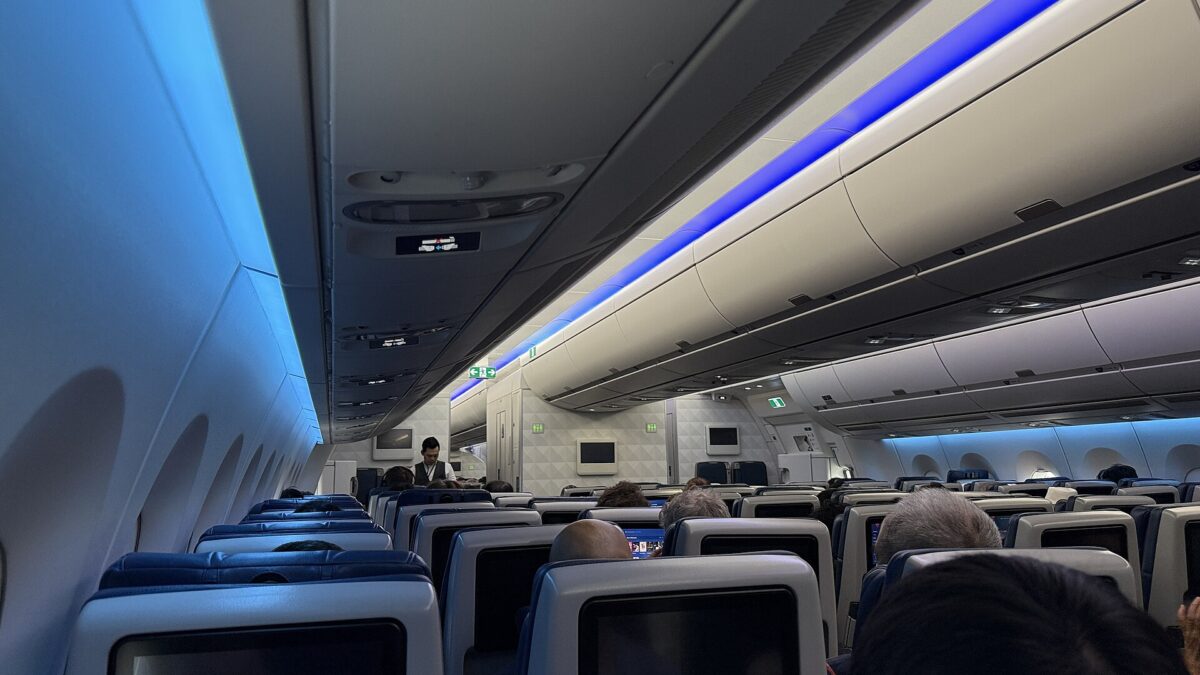
Delta has been gradually changing the mix of seats across its fleet. New and reconfigured aircraft devote more space to products sold above a regular Main Cabin fare, including First Class, Delta Premium Select, Delta One and Delta Comfort.
Esposito described the flat Main Cabin plan as part of a multiyear pattern. Systemwide totals can remain unchanged even while individual routes gain or lose economy capacity. Delta can move aircraft, upgauge flights and alter cabin layouts without producing a net increase in standard-economy seats across the network.
That distinction matters. Travelers may still see more Delta flights or larger aircraft in some markets, but the company’s incremental seat growth is increasingly concentrated outside the basic Main Cabin product.
The financial results explain the strategy
Delta reported adjusted operating revenue of $17.7 billion for the June quarter of 2026, up 14% year over year on approximately 1% capacity growth. Premium ticket revenue reached $6.92 billion, a 17% increase, while Main Cabin ticket revenue rose 8% to $6.85 billion.
The airline also said Main Cabin unit revenue grew by double digits for a second consecutive quarter. In other words, Delta generated more revenue from each unit of economy capacity even without aggressively adding seats.
Premium products and other diversified revenue streams represented 61% of adjusted operating revenue, two percentage points more than a year earlier. Loyalty, corporate demand, maintenance work and cargo all contributed to the broader mix, reducing Delta’s dependence on standard-economy tickets alone.
Why Main Cabin can improve while capacity stays tight
Airline pricing depends on both demand and the number of seats offered. When capacity grows faster than demand, carriers often discount fares to fill aircraft. When supply is restrained, the remaining seats can command stronger prices.
Delta said Main Cabin performance benefited from disciplined capacity and healthier industry conditions. Earlier in 2026, the company reported that its Main Cabin capacity had contracted about 3% year over year as fleet renewal increased the share of premium seating.
Holding the 2027 Main Cabin total flat gives Delta room to preserve that pricing environment. The trade-off is straightforward: passengers looking for a large wave of new economy seats—and the fare pressure that often follows—may not get it from Delta’s growth plan.
“Premium” covers more than business class
Delta’s premium category is broad. It includes high-end Delta One suites and domestic First Class, but also Delta Premium Select and extra-legroom Delta Comfort seats. A shift toward premium therefore does not mean every added seat is a lie-flat bed.
It does mean Delta expects more customers to pay above the standard Main Cabin fare. The airline has invested in cabin segmentation, paid upgrades, airport lounges and its SkyMiles-American Express ecosystem to capture more spending from each trip.
Fleet renewal supports that effort. Larger-gauge aircraft can add total seats while preserving or expanding the proportion allocated to higher-priced cabins. International growth also creates more opportunities to sell business-class and premium-economy products.
What passengers should expect
- No systemwide surge in cheap seats: Delta’s overall Main Cabin count is expected to remain flat in 2027.
- Route-by-route changes: Some airports may still gain economy seats while others lose them.
- More upgrade choices: A larger premium footprint gives travelers more paid cabin options, although complimentary-upgrade availability may not improve.
- Continued fare discipline: Restrained economy supply can help Delta protect yields when demand is strong.
The strategy is rational from an airline-profitability standpoint: grow where customers are paying more while limiting capacity in the most price-sensitive cabin. For travelers, the impact will depend on what they value. Premium customers may see more choices, while bargain-focused passengers could face fewer opportunities for added supply to push fares lower.