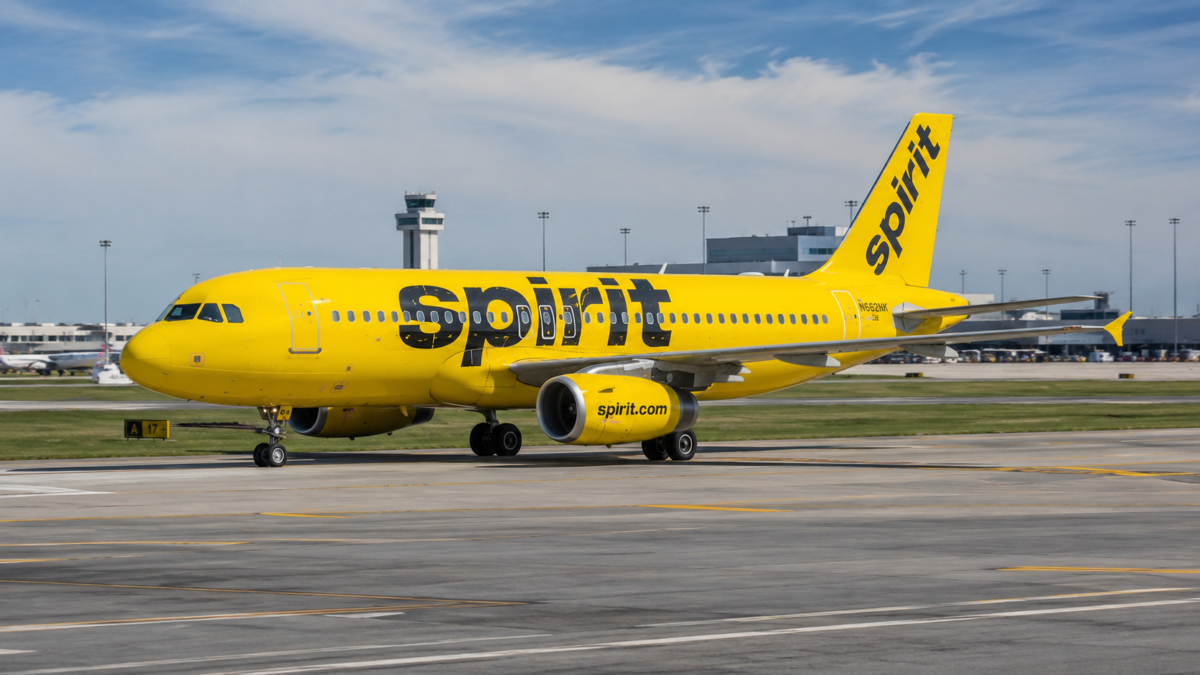
Spirit Airlines may be winding down, but one of its most familiar assets is not being ignored: the Free Spirit loyalty program.
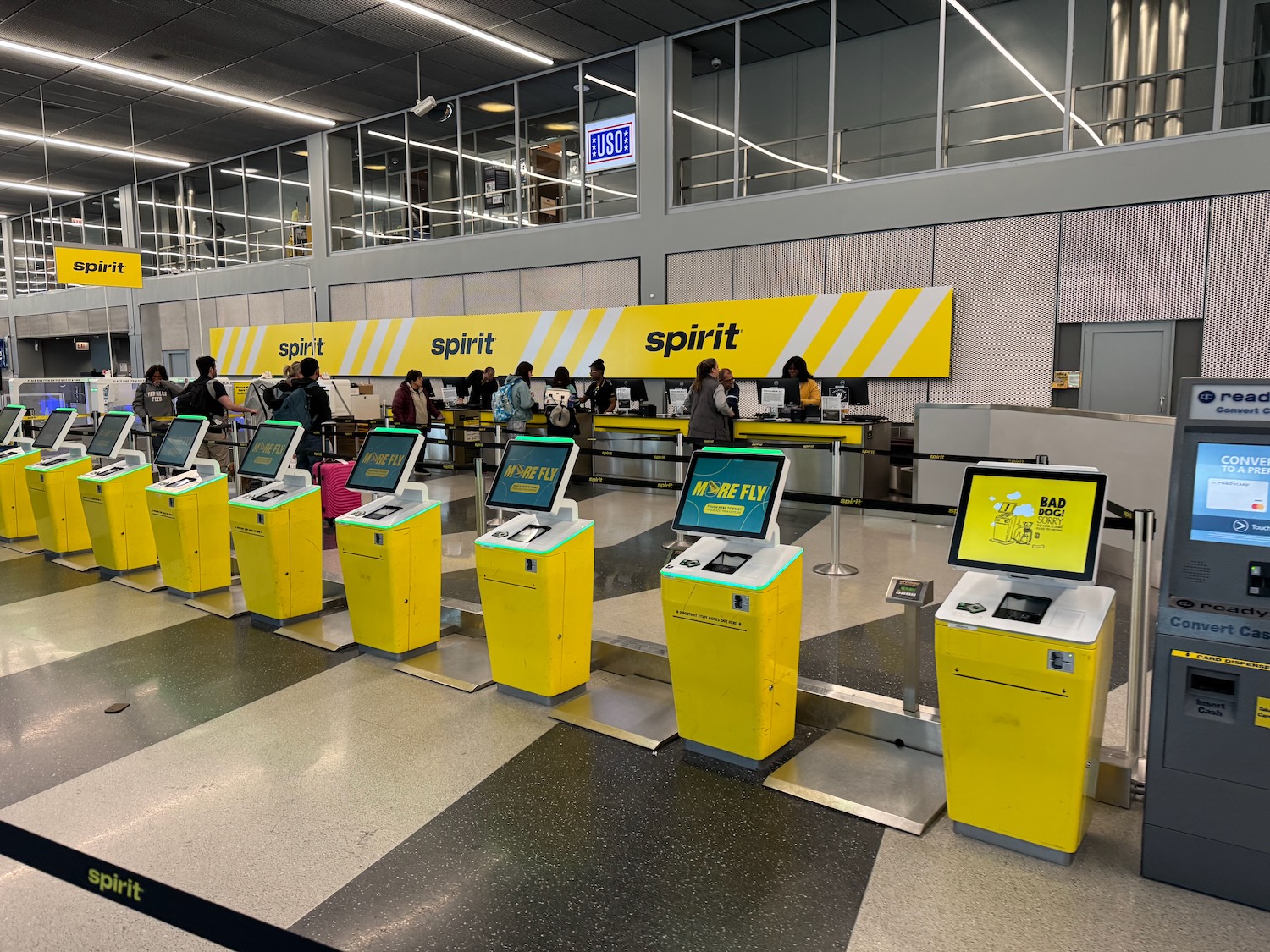
According to Live and Let’s Fly, Spirit’s Free Spirit program has drawn a bid as the airline’s remaining assets move through the bankruptcy process. That does not mean Spirit Airlines is coming back, and it does not automatically mean members’ points are safe. But it does show that the loyalty program still has value to someone.
The situation is especially interesting because loyalty programs are often more than a simple points balance. They can include customer data, co-branded credit card relationships, marketing rights, member lists, elite status information, and future revenue potential.
For travelers, the biggest question is obvious: what happens to Free Spirit points?
Right now, there is still no clear public answer that guarantees those miles will be honored at full value, transferred to another airline, converted into something else, or wiped out. In bankruptcy, customers holding points, vouchers, or credits can be left waiting while the court process decides what happens next.
That uncertainty is what makes the bid important. If someone is willing to bid for Free Spirit, it likely means the program has value beyond Spirit’s last flights. The buyer may want the member database, the brand, the credit card relationship, or some way to convert former Spirit customers into new customers.
But loyalty program value for a buyer is not the same thing as guaranteed value for members. A bidder may want the program without promising to honor every point exactly as before.
Spirit’s shutdown has already left travelers dealing with canceled flights, refund questions, and confusion over credits and miles. For frequent flyers, the Free Spirit question adds another layer of uncertainty because many passengers earned points through flights, credit card spending, promotions, and partner activity.
The collapse is also a reminder that airline miles are not the same as cash. They can be useful when an airline is operating normally, but their value depends on the airline, the loyalty program rules, and the company’s financial condition.
MarketWatch previously warned that Spirit loyalty points were likely in trouble after the shutdown, while also noting that other airlines had offered some status-match opportunities for Spirit customers. That gave elite members a possible path to keep some travel benefits elsewhere, but it did not solve the question of unused Free Spirit points.
The bankruptcy sale process is also separating Spirit’s remaining assets. Other parts of the airline, including airport slots, aircraft, real estate, and the loyalty program, have been treated as assets that may be sold to help repay creditors.
For a buyer, Free Spirit could still be attractive because it represents millions of former low-cost travelers. Even if Spirit itself disappears, the customer base may still be valuable to another airline, travel company, credit card partner, or buyer looking to reach budget-conscious flyers.
For members, the safest approach is to stay realistic. A bid for the program is better than total silence, but it is not the same as a promise that every mile will come back.
The next important question is whether the buyer, the bankruptcy court, or Spirit’s estate will clarify what happens to existing points and member accounts. Until that happens, Free Spirit members should avoid assuming their miles are either fully saved or completely gone.
The strange part is that even after Spirit stopped flying, the Free Spirit program still attracted attention. That shows how powerful airline loyalty programs have become — sometimes valuable even after the airline itself is no longer operating.