Airlines are quietly changing the balance inside their aircraft, and many passengers may not notice until the cheapest seats become harder to find.
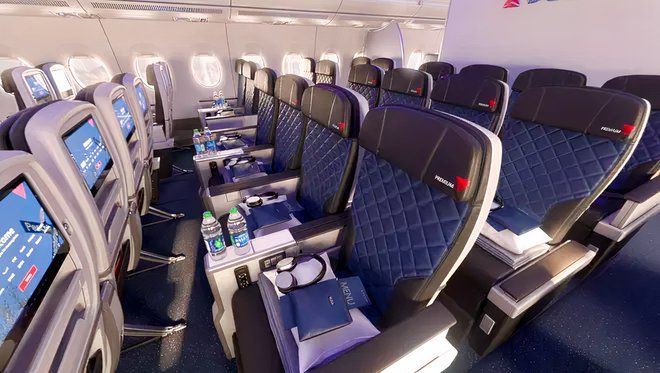
The shift was highlighted by Simple Flying, which reported that a 12% fleet change signals how major airlines are gradually hollowing out coach while expanding premium cabins, upgraded seats, and fare products designed to capture higher-spending passengers.
The trend is not simply about adding luxury for a small number of travelers. It is about airline economics. Premium seats can generate far more revenue per square foot than standard economy seats, especially on long-haul flights, business-heavy routes, and markets where travelers are willing to pay for extra comfort.
That means aircraft interiors are being redesigned around a new idea: not every passenger needs the same cabin, the same fare rules, or the same experience.
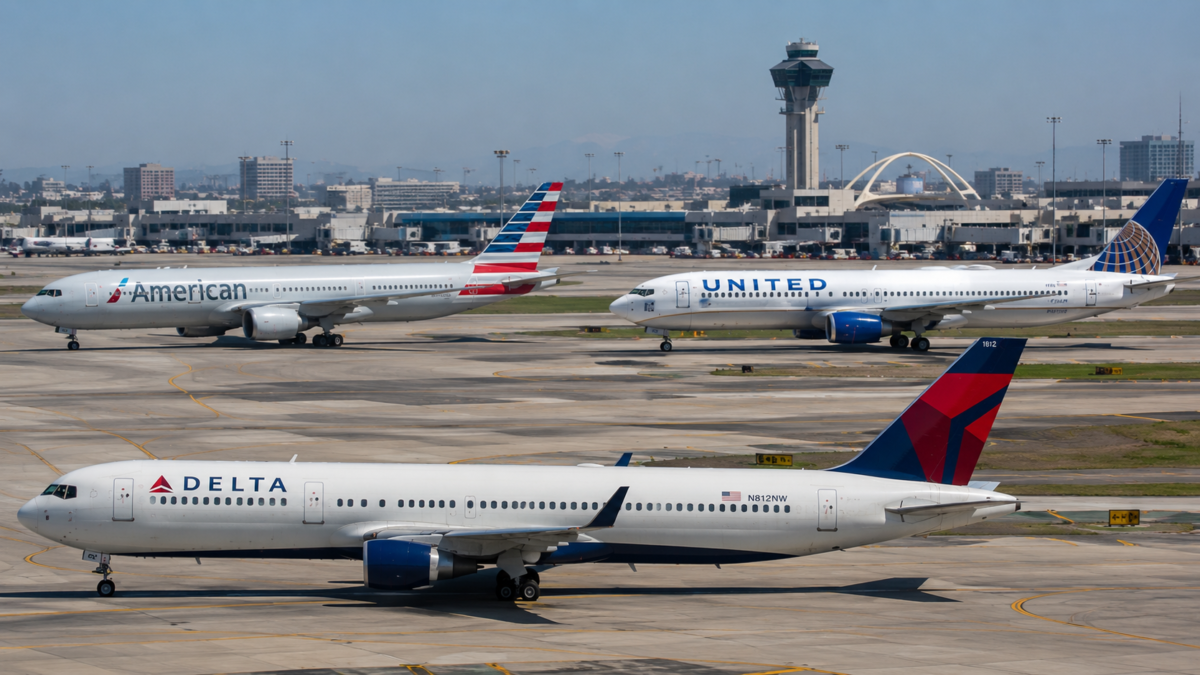
Delta has been one of the clearest examples of this strategy. The airline has expanded premium products such as Delta Comfort, Delta Premium Select, Delta First, and Delta One, while also selling different fare experiences inside those cabins.
Delta’s newer fare structure means passengers may no longer be choosing only between economy, premium economy, first class, and business class. They may also be choosing between Basic, Classic, and Extra versions of those products.
For airlines, that creates more ways to charge for comfort, flexibility, lounge access, mileage earning, upgrade priority, or ticket changes. For passengers, it can make the booking process more complicated.
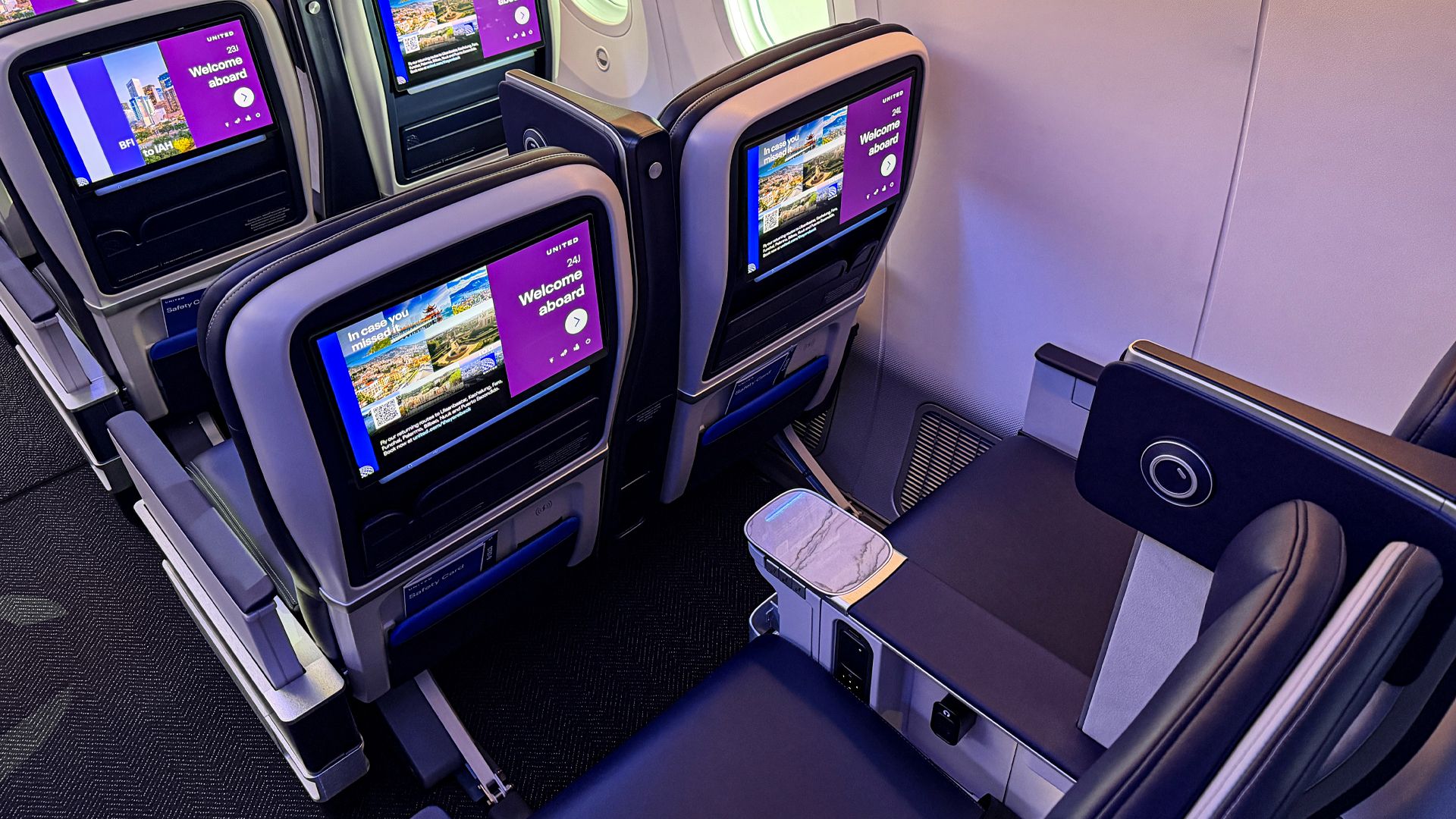
United Airlines is moving in the same direction. The airline has been expanding premium and extra-comfort options, including Premium Plus, Economy Plus, and newer concepts that sell more personal space even when passengers are not buying a full business-class seat.
United’s approach shows how airlines can turn the same basic aircraft cabin into several different revenue zones. A passenger may be in economy, extra-legroom economy, premium economy, or a special comfort-focused section, all on the same aircraft.
That matters because each new product layer can reduce the amount of cabin space available for the cheapest seats. The aircraft may still have a large economy cabin, but more of the valuable front and middle cabin space is being reserved for passengers willing to pay more.
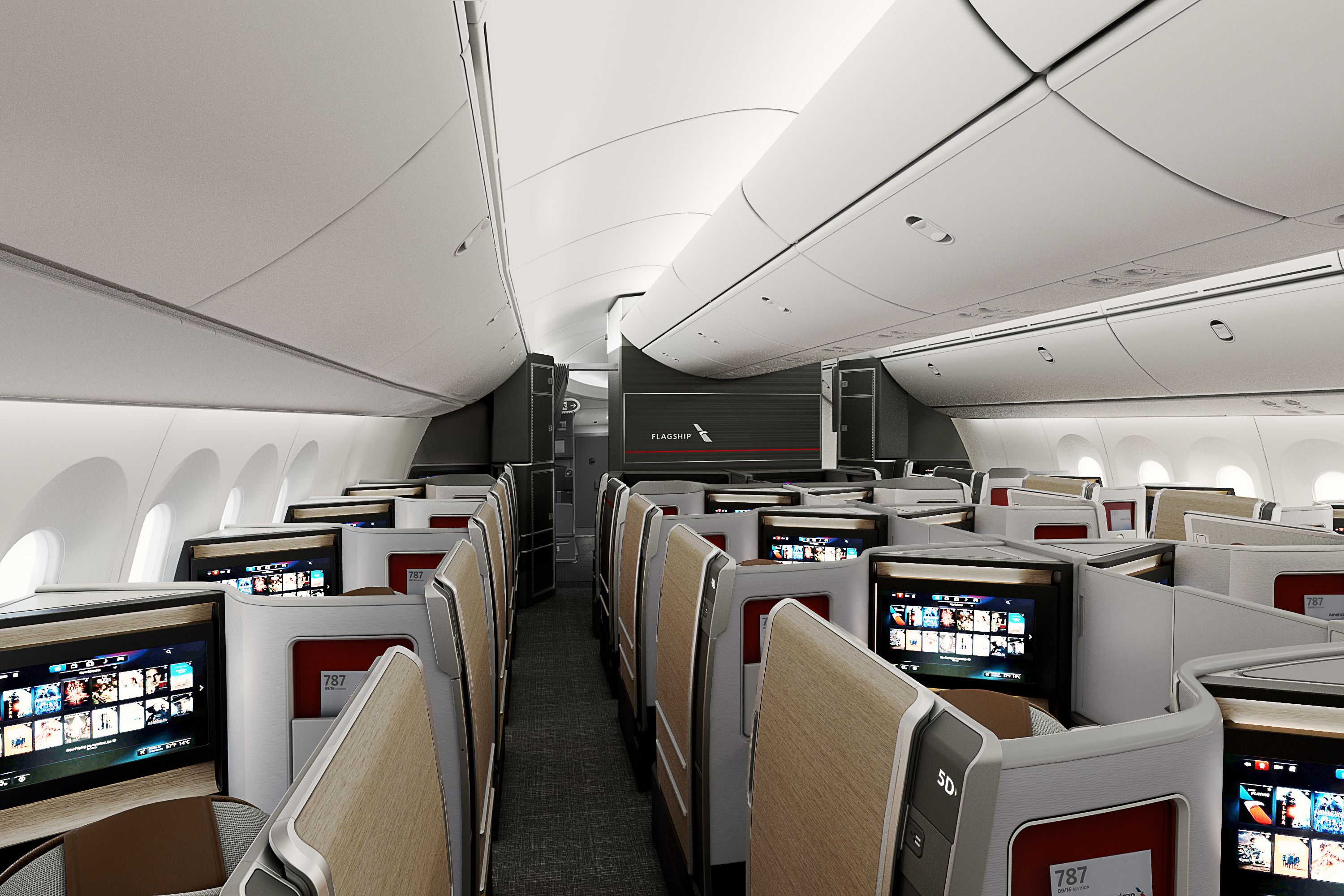
American Airlines is also leaning heavily into premium seating. The airline has been adding more premium seats across parts of its fleet, including upgraded narrowbody cabins and long-haul aircraft with new Flagship Suite products.
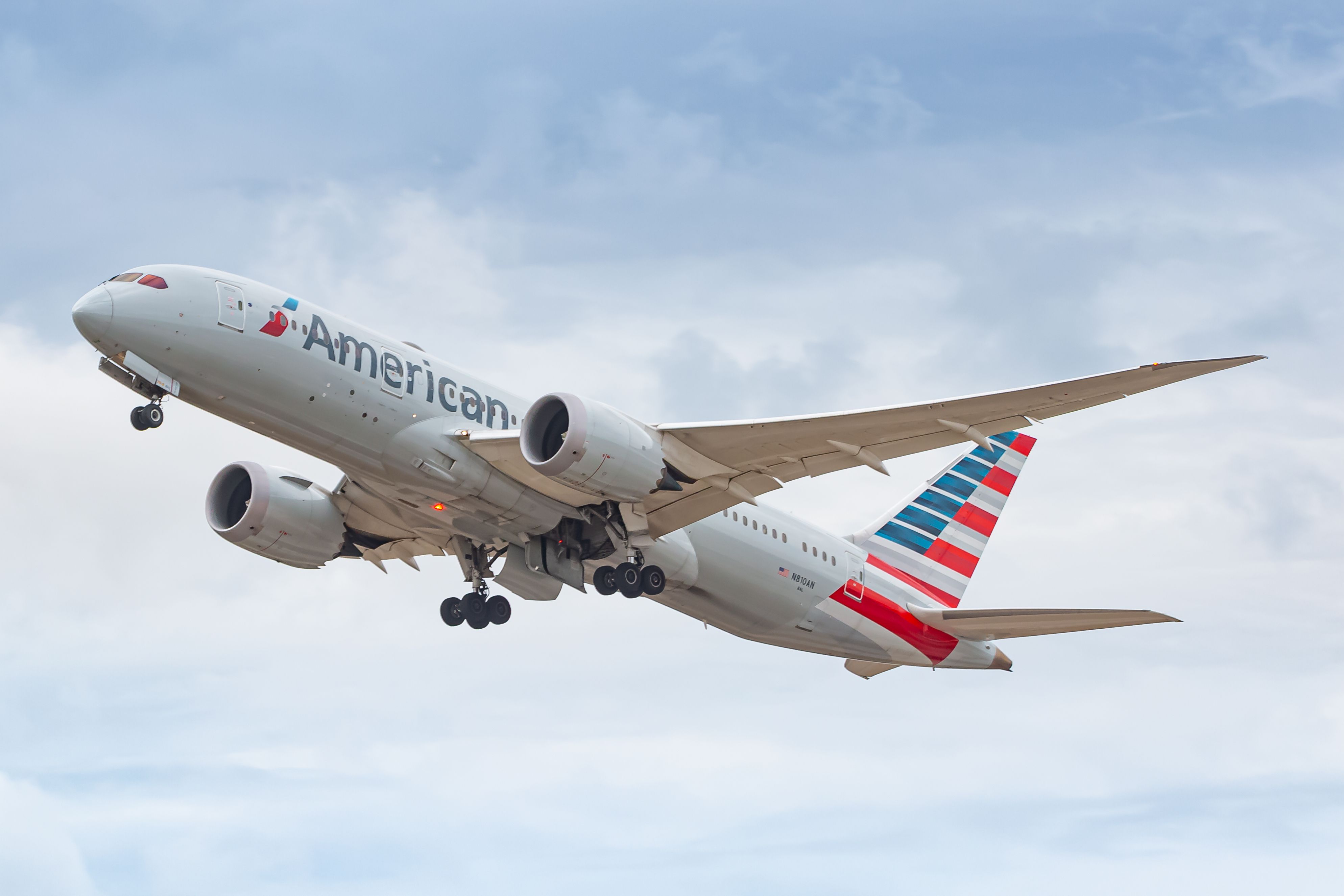
American has said its premium-focused Boeing 787-9 aircraft and future Airbus A321XLRs will include its Flagship Suite product, giving travelers more privacy and more ways to buy a higher-end experience.
That is important because premium cabins are no longer limited to international business class. Airlines are increasingly treating comfort as a series of sellable products, from extra legroom to premium economy to private suites.
For coach passengers, the shift can feel invisible at first. The seat map still shows economy. The ticket may still look cheap in search results. But over time, fewer seats may be sold at the lowest prices, more seats may carry upgrade charges, and the difference between basic economy and premium cabins may become more extreme.
The biggest risk for travelers is that airlines continue building aircraft around high-paying customers while leaving standard economy passengers with less flexibility, fewer good seat choices, and more fees for comfort that used to feel normal.
Airlines would argue that this gives passengers more choice. A traveler who wants the lowest fare can still buy basic economy, while someone who wants more space can pay for it.
But the deeper change is that airlines are making coach less central to the business model. The most profitable passengers are often the ones buying premium cabins, credit card-linked benefits, upgrades, lounge access, and bundled fare products.
That is why this 12% shift matters. It is not just a seating adjustment. It is a signal that the biggest U.S. airlines are rebuilding the airplane around passengers who pay more, while ordinary coach flyers may only notice once the cheapest part of the cabin feels smaller, tighter, or harder to book.