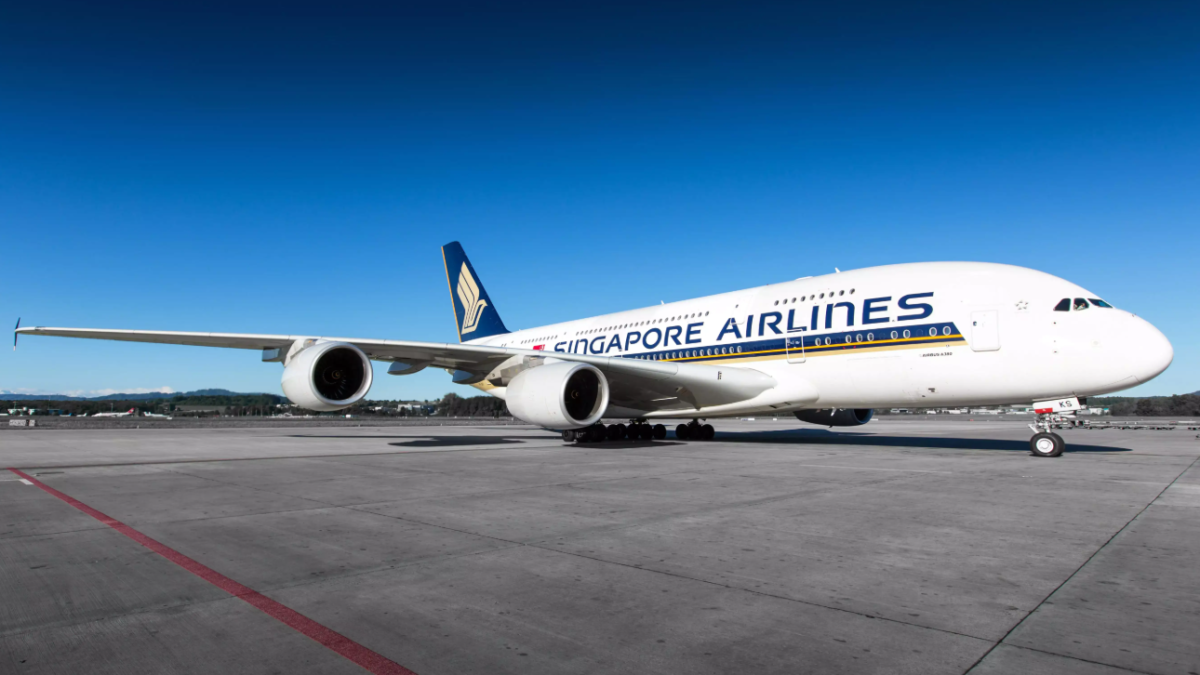
Singapore Airlines has reported its first quarterly net loss since 2022, even as the airline group posted record revenue and carried more passengers.
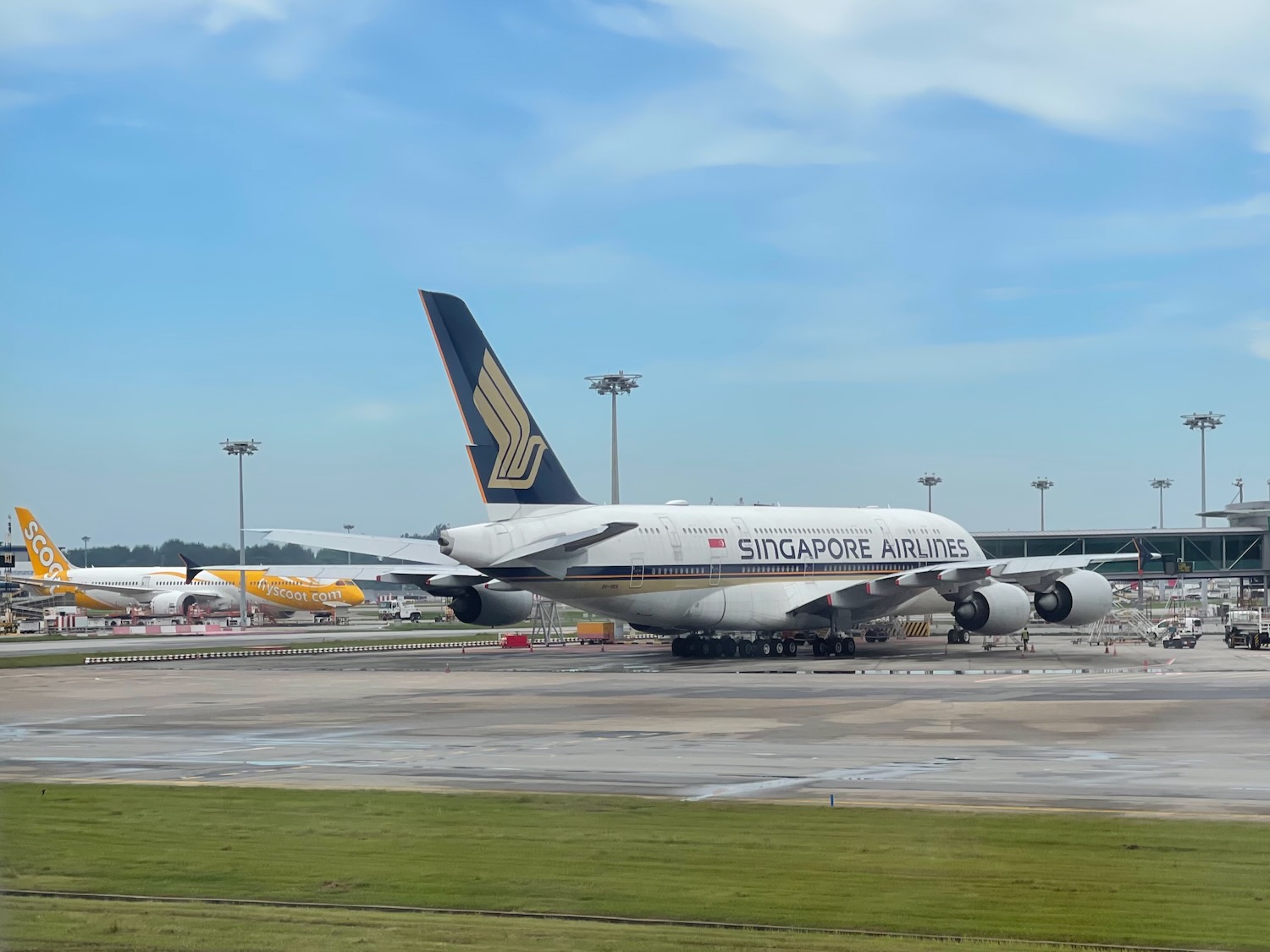
The SIA Group reported a net loss of S$76 million for the first quarter of FY2026/27, covering the three months ended June 30, 2026. A year earlier, the group had posted a net profit of S$186 million.
The result is striking because Singapore Airlines was not suffering from weak demand. In fact, the group reported record quarterly revenue of S$5.714 billion, up 19.3% year-on-year, supported by strong passenger demand and higher passenger yields.
SIA and its low-cost unit Scoot carried a record 10.9 million passengers during the quarter, up 6.3% from the previous year. Passenger revenue also rose 18.6% to S$4.582 billion.
The problem was cost. Net fuel cost jumped by S$991 million, or 78.5%, to S$2.253 billion. Singapore Airlines said jet fuel prices surged after the Middle East conflict that began on February 28, 2026, creating major pressure on airline operating costs.
Fuel cost before hedging more than doubled during the quarter, rising 118.7%. The increase was partly reduced by a fuel hedging gain of S$376 million, but that was not enough to stop the pressure from hitting the bottom line.
Operating profit fell 73.8% to S$106 million, down from S$405 million a year earlier. That drop alone explains much of the swing from profit to loss.
Air India also played a role. Singapore Airlines holds a 25.1% strategic stake in the Air India Group after the merger of Vistara into Air India, and SIA said its quarterly results were further affected by a higher share of losses from Air India.
The group recorded a S$42 million negative impact from its share of Air India losses during the quarter. That added to the damage from higher fuel costs and pushed the group deeper into the red.
Still, Singapore Airlines presented the Air India investment as a long-term strategic move, not a short-term setback. The company said it and Tata Sons remain committed to supporting Air India’s multi-year transformation programme.
SIA also said progress has been made at Air India in areas such as fleet renewal, aircraft retrofits, service improvements, and operational performance. But the turnaround remains a major long-term project, and the financial drag is now visible in SIA’s quarterly numbers.
The airline group’s wider network remains strong. SIA said demand for air travel remains robust, supported by seasonal travel flows, while cargo demand has stayed resilient across several key markets.
Cargo revenue rose 33.5% to S$708 million, helped by stronger yields and higher cargo load factor. That gave the group another revenue boost, but again, it could not fully offset the fuel shock.
The outlook remains cautious. Singapore Airlines warned that geopolitical developments, including the Middle East conflict, continue to create uncertainty for the airline industry. The most immediate impact is on jet fuel prices, which remain the group’s single-largest expenditure item.
SIA said it and Scoot have adjusted airfares and cargo rates to help reduce the impact of higher fuel prices, but those measures do not fully offset the pressure from significantly higher fuel costs.
For passengers, the results do not mean Singapore Airlines is suddenly in deep trouble. The group still has a strong balance sheet, large cash reserves, and one of the most respected premium airline brands in the world.
But the quarter shows how quickly airline profits can be hit when fuel prices move sharply. Even strong passenger demand, record revenue, and higher yields were not enough to prevent a loss when fuel and Air India-related costs rose at the same time.
For aviation watchers, this is the key takeaway: Singapore Airlines is still filling planes and growing revenue, but the cost environment has changed fast. The airline’s next challenge is proving that it can protect profitability while fuel prices stay volatile and Air India continues its long turnaround.
Comments 0
No comments yet. Be the first to share your take.