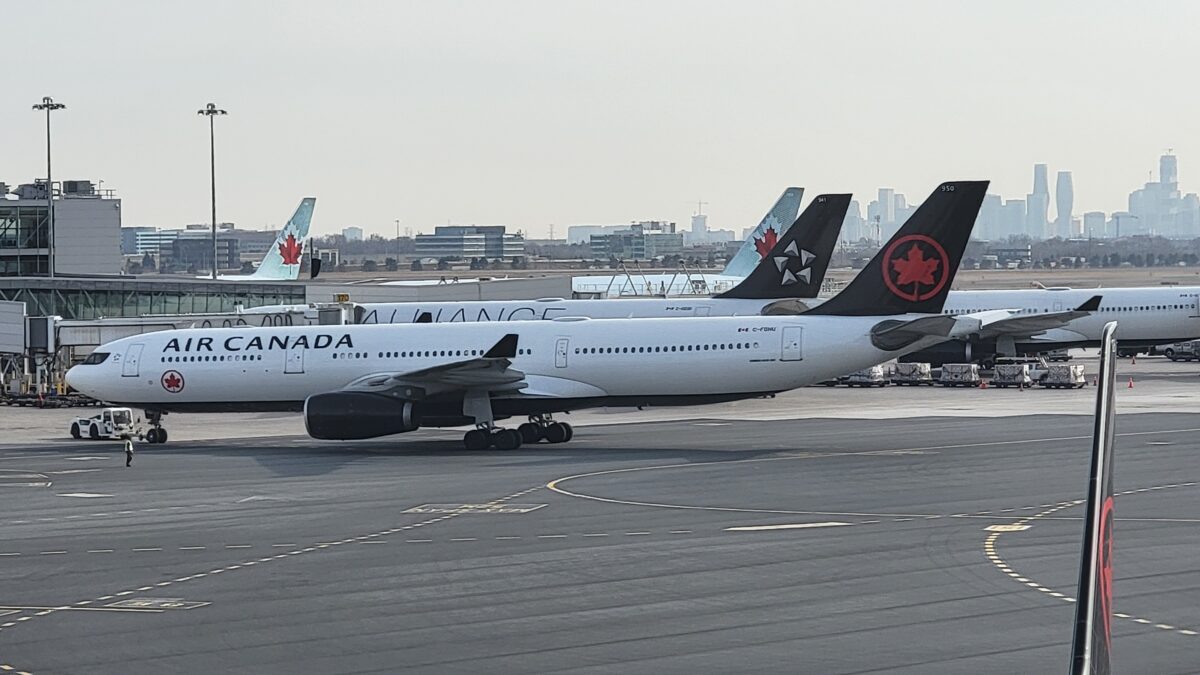
Air Canada’s next leadership chapter is already carrying more weight than a normal CEO handoff. The airline has chosen Anko van der Werff, the current chief executive of SAS, to succeed Michael Rousseau after a bruising language controversy turned a condolence message into a national political fight.
Van der Werff arrives with a deep airline résumé. He has led SAS through a difficult restructuring period, previously ran Avianca Group, and held senior commercial roles at Aeromexico, KLM and Qatar Airways. That background gives Air Canada an experienced operator, but his language profile may matter just as much in the early months of the job.
The reason is simple: Air Canada is not just another private airline in Canada’s political imagination. Its head office is in Montreal, it remains bound by the country’s official-language framework, and it has long been expected to serve Canadians in both English and French. That makes the CEO’s ability to communicate in French more than a personal credential.
Rousseau’s exit followed heavy criticism over an English-language condolence video after the fatal Air Canada Express accident at New York LaGuardia. The message included French subtitles, but the lack of spoken French drew complaints and public pressure from Quebec and federal political figures. Air Canada described Rousseau’s departure as a retirement, but the timing left the story inseparable from the fallout.
That is why van der Werff’s appointment reads like more than a boardroom succession plan. It gives Air Canada a chance to reset its relationship with Quebec, federal officials and passengers who saw the language dispute as a sign of something larger than fluency. The question was never only whether the CEO could speak French. It was whether the airline understood the symbolic place it occupies.
There is also a harder business challenge behind the politics. Air Canada still has to defend its premium position, improve reliability, manage labor pressure, and keep customers confident in a market where service failures can quickly become political stories. A multilingual CEO can lower the temperature, but performance will decide whether the reset lasts.
If van der Werff brings the same discipline he used during SAS’s restructuring, Air Canada gets a leader with both operational experience and a better fit for the bilingual expectations around the company. If he does not, the French test will only be the first test. The bigger one will be whether he can make Air Canada feel more accountable to the country it represents.
Comments 0
No comments yet. Be the first to share your take.