Airlines are increasingly redesigning long-haul aircraft around premium passengers, giving more cabin space to private suites, doored business-class seats, premium economy, and high-end first-class products.
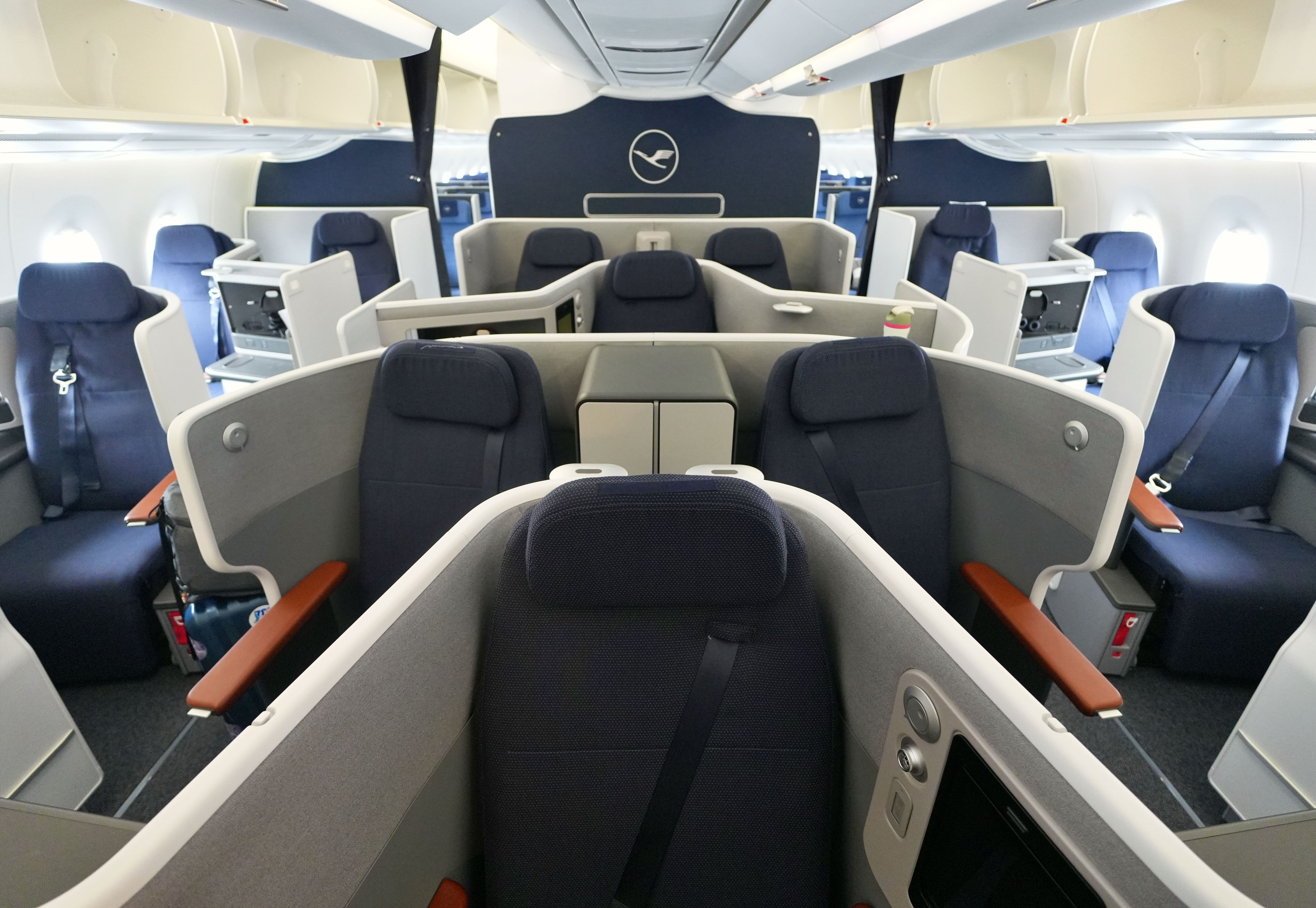
The trend was highlighted by Simple Flying, which noted that some airlines are now reducing economy seating to make room for more spacious premium cabins. The change is not only about luxury. It is about money.
On many long-haul routes, one premium passenger can generate far more revenue than one economy passenger. That makes first class, business class, and premium economy especially important on routes with strong corporate demand, wealthy leisure travelers, or limited nonstop competition.
The result is a major cabin shift. Instead of simply trying to fit as many seats as possible onto an aircraft, some airlines are choosing lower-density layouts with larger premium cabins and fewer standard economy seats.
That is especially visible on ultra-long-haul aircraft. Qantas’ Project Sunrise Airbus A350-1000ULR is being designed with just 238 seats, including first-class suites, business suites, premium economy, and a smaller economy cabin than a typical high-density long-haul aircraft.
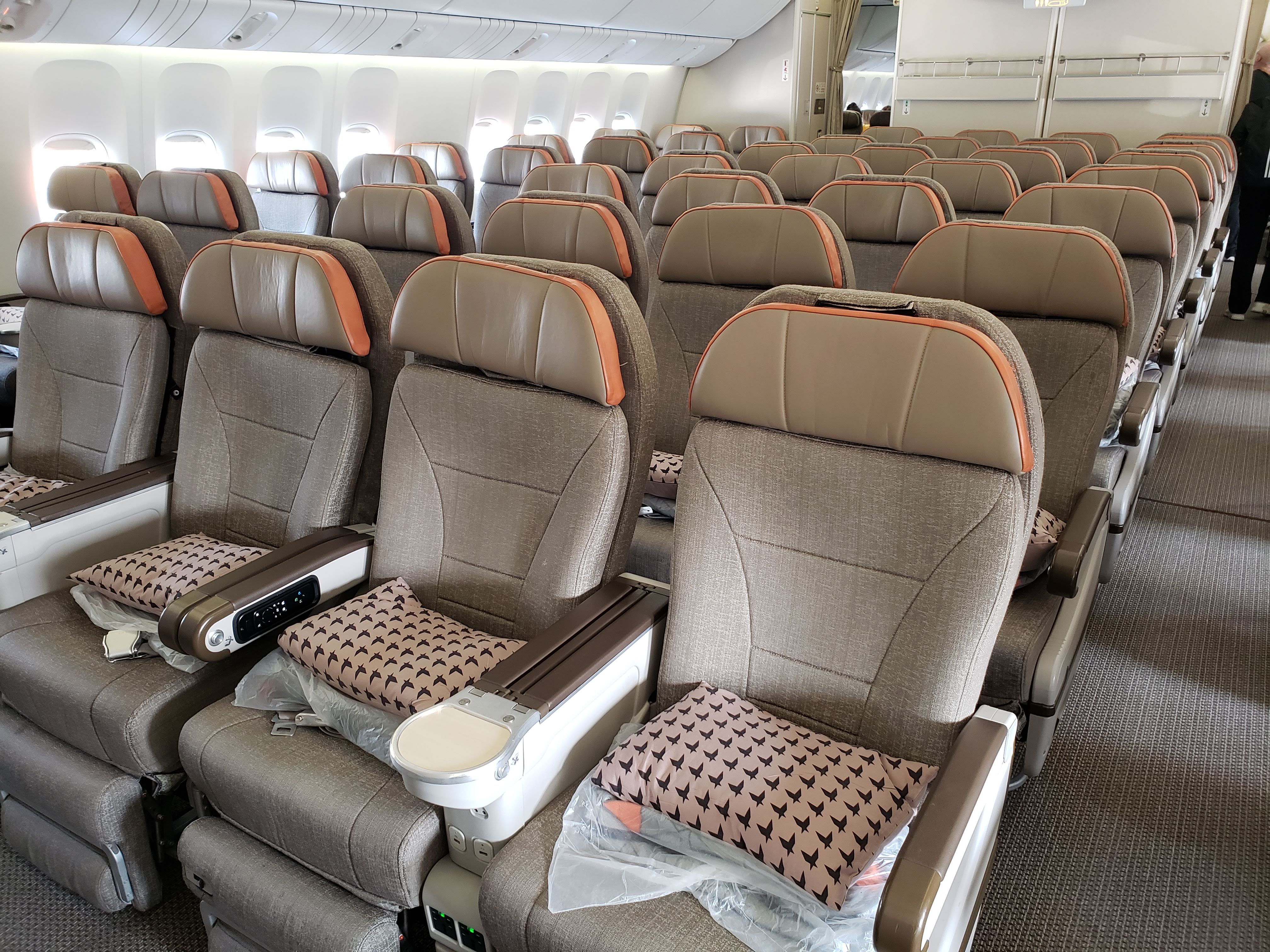
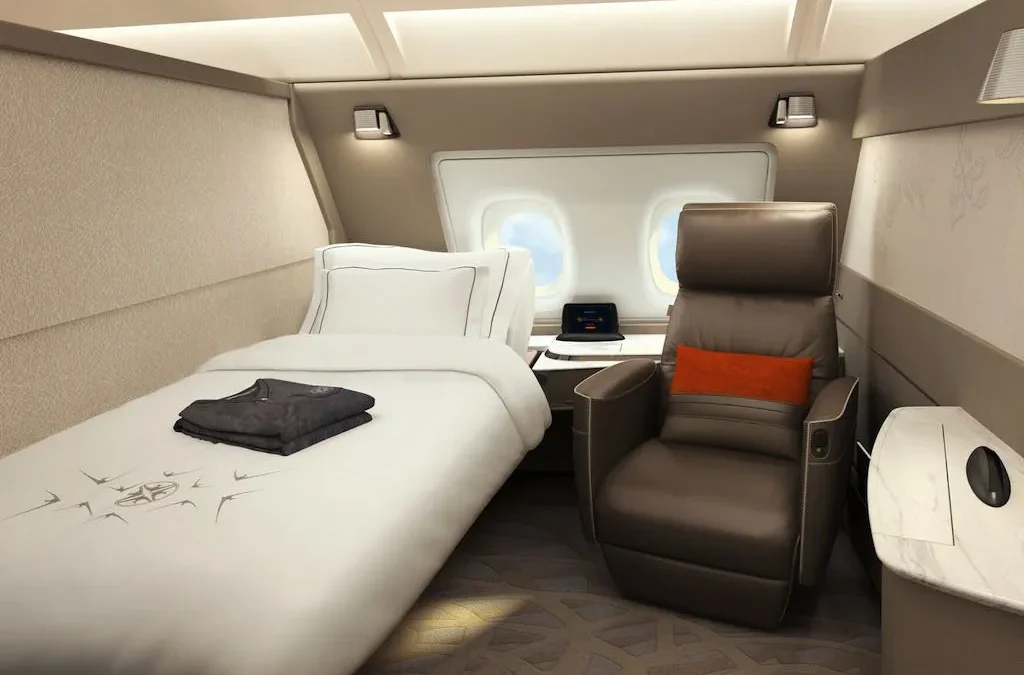
The reason is simple: space has become part of the product. A doored suite needs more room than a standard economy seat, and a first-class cabin with privacy, storage, dining space, and a flat bed takes up even more cabin space.
That creates a tradeoff. Every extra premium suite can mean several fewer economy seats. But airlines may accept that tradeoff if the premium cabin earns enough to offset the lost economy capacity.
Qatar Airways has also helped push the privacy trend with its Qsuite product and its next-generation Qsuite concept. The airline has marketed private business-class suites as a major part of its long-haul identity, helping turn doors and personal space into competitive selling points.
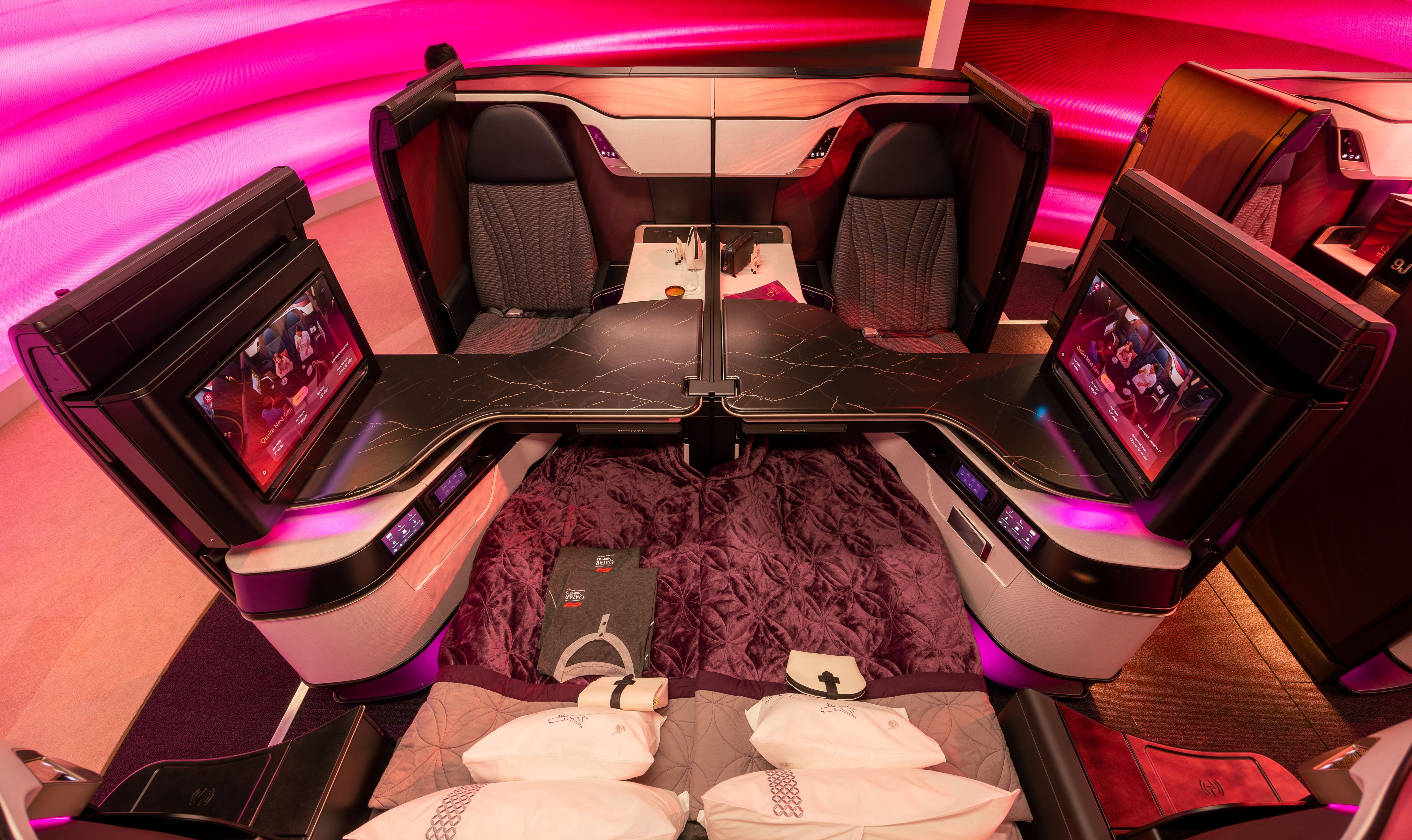
The shift is also changing what passengers expect. A decade ago, a lie-flat business-class seat was enough to stand out. Today, many premium travelers expect direct aisle access, privacy doors, large screens, better storage, wireless charging, and space that feels closer to a small private room.
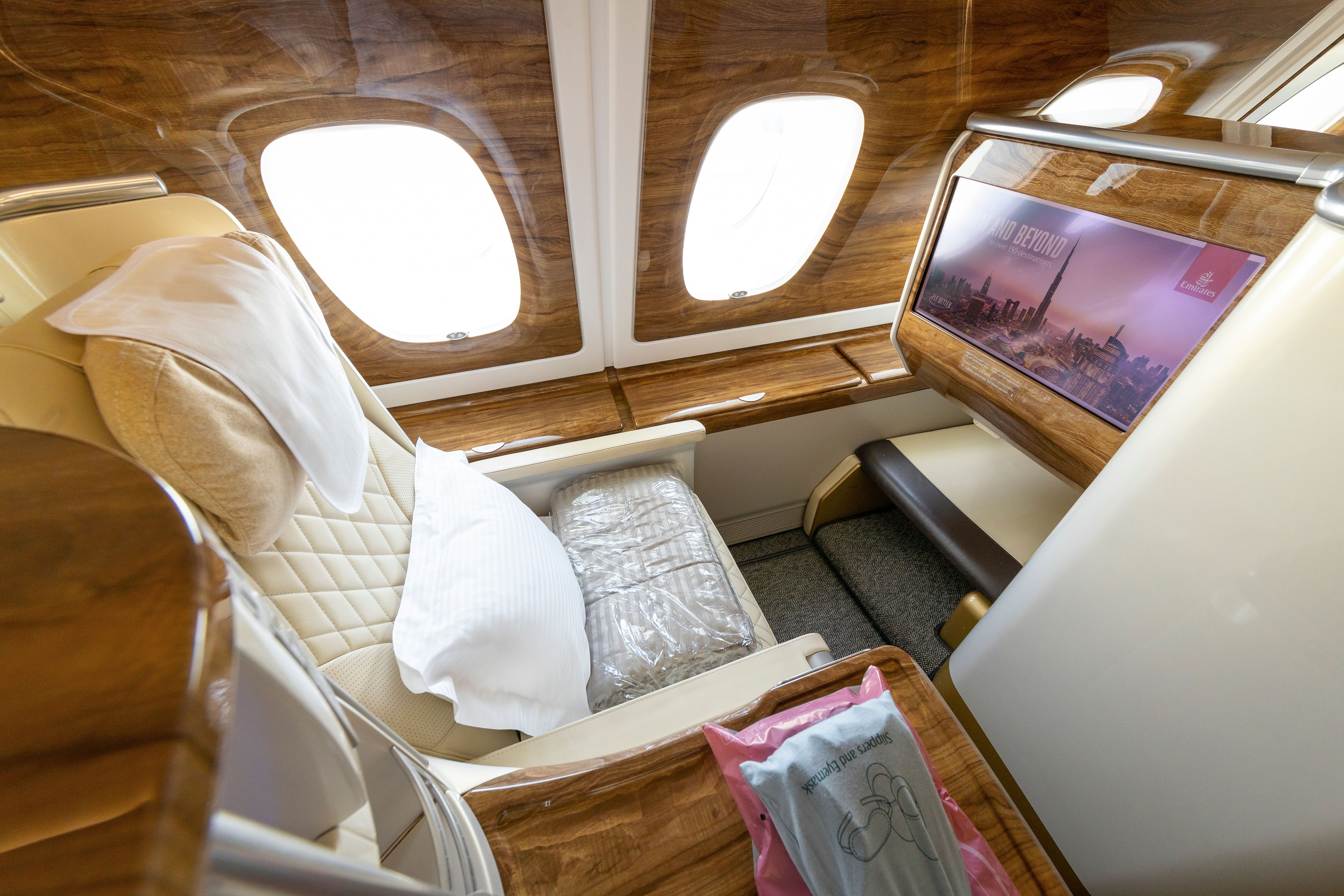
First class is also becoming more exclusive. Instead of large first-class cabins, many airlines are choosing smaller cabins with fewer seats but more privacy and higher fares. In some cases, the best business-class seats are being redesigned to feel almost like first class.
For economy passengers, the trend can be frustrating. If an airline adds more premium space but keeps the same aircraft size, something has to give. That can mean fewer economy seats, less award availability, higher fares on peak routes, or less choice for travelers who simply want the cheapest seat.
Premium economy is also becoming part of the debate. Some passengers see it as the middle ground between cramped economy and expensive business class, while others question whether the upgrade is worth the extra money.
But for airlines, the economics are difficult to ignore. Premium cabins can protect profitability on long-haul flights, especially when fuel, labor, aircraft financing, and maintenance costs remain high.
The trend does not mean economy class is disappearing. Airlines still need large numbers of economy passengers to fill aircraft and support their networks. But on the most premium-heavy routes, the balance is changing.
For aviation watchers, the message is clear: the future of long-haul flying may not be about squeezing in the maximum number of passengers. It may be about giving fewer passengers more space — as long as they are willing to pay enough for it.
Comments 0
No comments yet. Be the first to share your take.