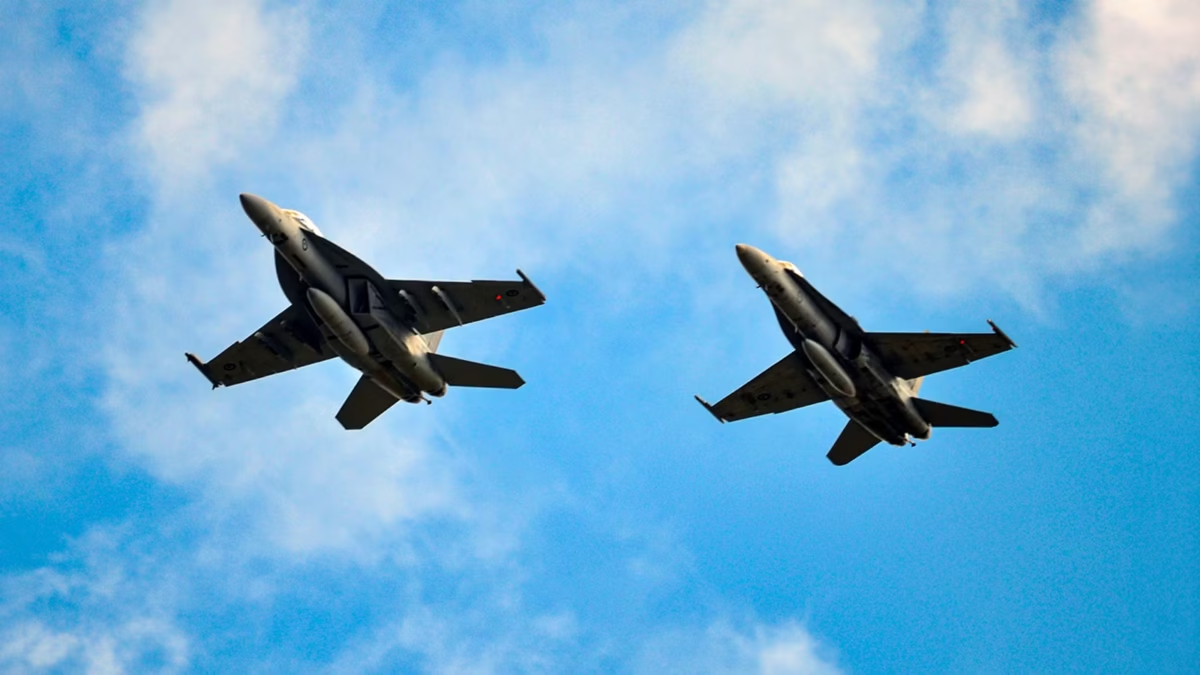
Congress has moved to keep the U.S. Navy’s next-generation fighter program alive, adding nearly $900 million toward the aircraft expected to eventually replace the F/A-18E/F Super Hornet.
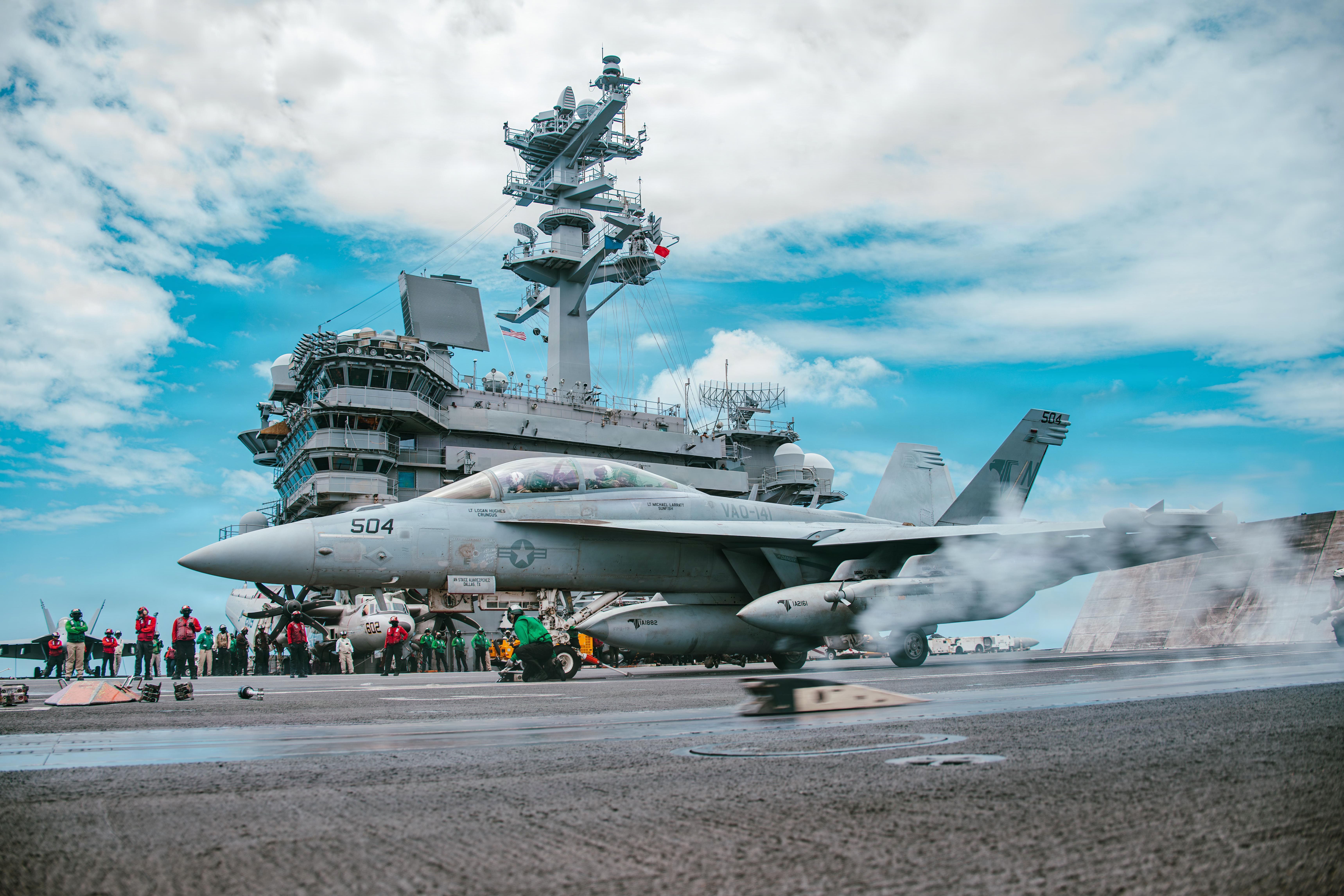
The funding push centers on F/A-XX, the Navy’s planned sixth-generation carrier fighter. The program is designed to replace the Super Hornet in the 2030s and give U.S. aircraft carriers a longer-range, more survivable strike fighter for future conflicts.
The issue was highlighted by Simple Flying, which reported that Congress added $897 million to help move the fighter selection process forward. That matters because the F/A-XX program had faced uncertainty after the Pentagon appeared to slow or reduce funding for the Navy’s next fighter while prioritizing other major defense programs.
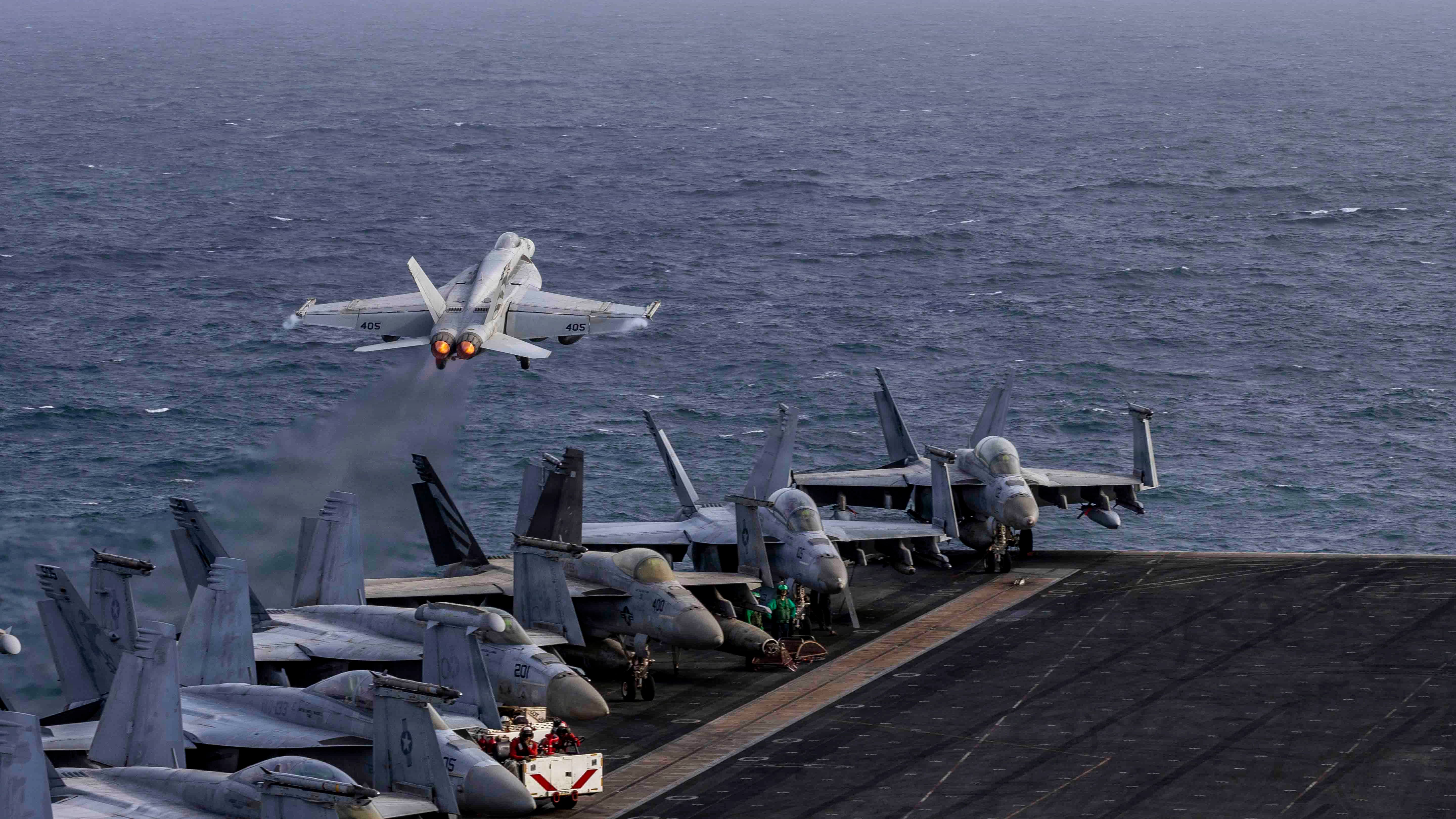
For the Navy, the stakes are high. The Super Hornet has been the backbone of U.S. carrier aviation for decades, but the future fight is expected to demand longer range, better stealth, advanced sensors, and closer integration with unmanned aircraft.
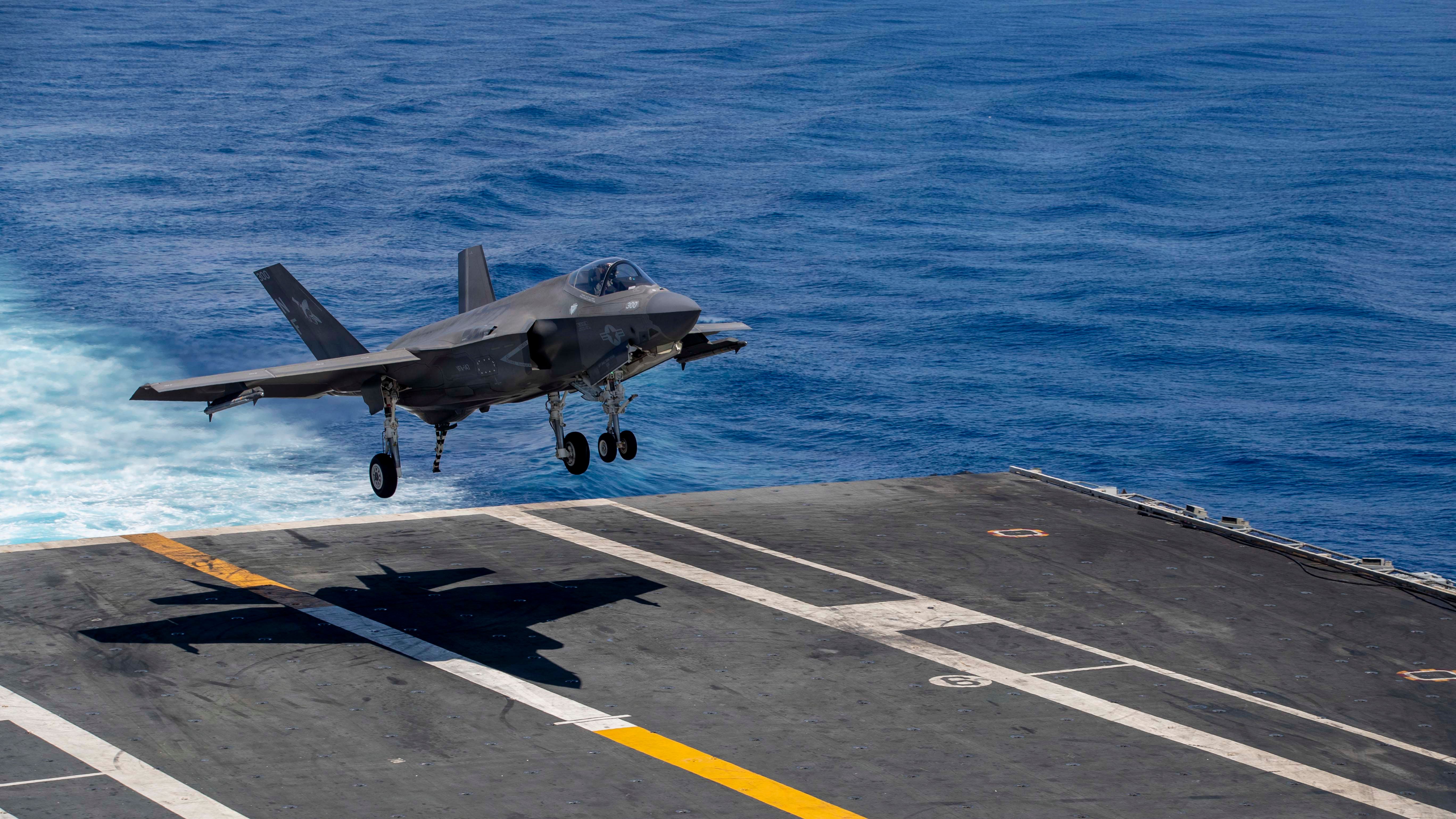
The Navy already operates the F-35C as its stealth fighter, but F/A-XX is expected to serve a different role. It is being developed as a next-generation carrier-based aircraft that can extend the reach and survivability of the air wing beyond what today’s Super Hornets can provide.
That range question is one of the most important parts of the program. In a future Pacific conflict, aircraft carriers may need to operate farther from enemy missiles, which means carrier aircraft will need more reach, more endurance, and better survivability.
U.S. Navy leaders have also connected the program to the future of unmanned aircraft. The F/A-XX is expected to operate inside a wider network that includes drones, tankers, sensors, and other aircraft, rather than working alone as a traditional fighter.
Navy’s Next Generation F/A-XX Downselect Expected in August
by
u/Inceptor57 in
FighterJetsAdvertisement
The next major moment is the downselect, when the Navy chooses the company that will build the aircraft. Boeing and Northrop Grumman are widely seen as the remaining competitors after Lockheed Martin was reported to be out of the running.
That creates a major industrial decision. Boeing already builds the Super Hornet and EA-18G Growler and recently won the U.S. Air Force’s F-47 sixth-generation fighter program. Northrop Grumman, meanwhile, is building the B-21 Raider bomber and has deep experience with stealth aircraft.
The F/A-XX decision is about more than simply buying a new jet. It will shape the future of U.S. carrier aviation, the Navy’s ability to project power from the sea, and the balance between manned fighters and unmanned systems.
It also comes at a difficult time for defense budgets. Sixth-generation fighter programs are extremely expensive, and the Pentagon is already funding the Air Force’s F-47, the F-35 program, the B-21 bomber, drones, submarines, missiles, and other modernization priorities.
That is why Congress’ funding move matters. By restoring or adding money for F/A-XX, lawmakers are signaling that they do not want the Navy’s carrier fighter future delayed too far behind the Air Force’s next-generation fighter program.
Northrop Defends Ability To Build F/A-XX 6th Gen Naval Fighters If Selected
by
u/tigeryi98 in
LessCredibleDefence
Still, the program faces hard questions. A sixth-generation carrier fighter must be advanced enough to survive future air defenses, but affordable enough to buy in meaningful numbers. It must bring more range than current aircraft, but also fit the physical limits of aircraft carriers.
There is also the question of timing. The Navy cannot retire the Super Hornet before a credible replacement is ready, which is why Block III upgrades and service-life extension work remain important for the existing fleet.
For now, the message from Congress is clear: the Navy’s next carrier fighter is not being pushed aside. The added funding gives F/A-XX new momentum at a time when the service is preparing to choose between the remaining industry teams.
For aviation watchers, the decision could become one of the most important U.S. military aircraft choices of the decade. The winner will not just build a new fighter. It will help define what the future American aircraft carrier looks like in combat.
Comments 0
No comments yet. Be the first to share your take.