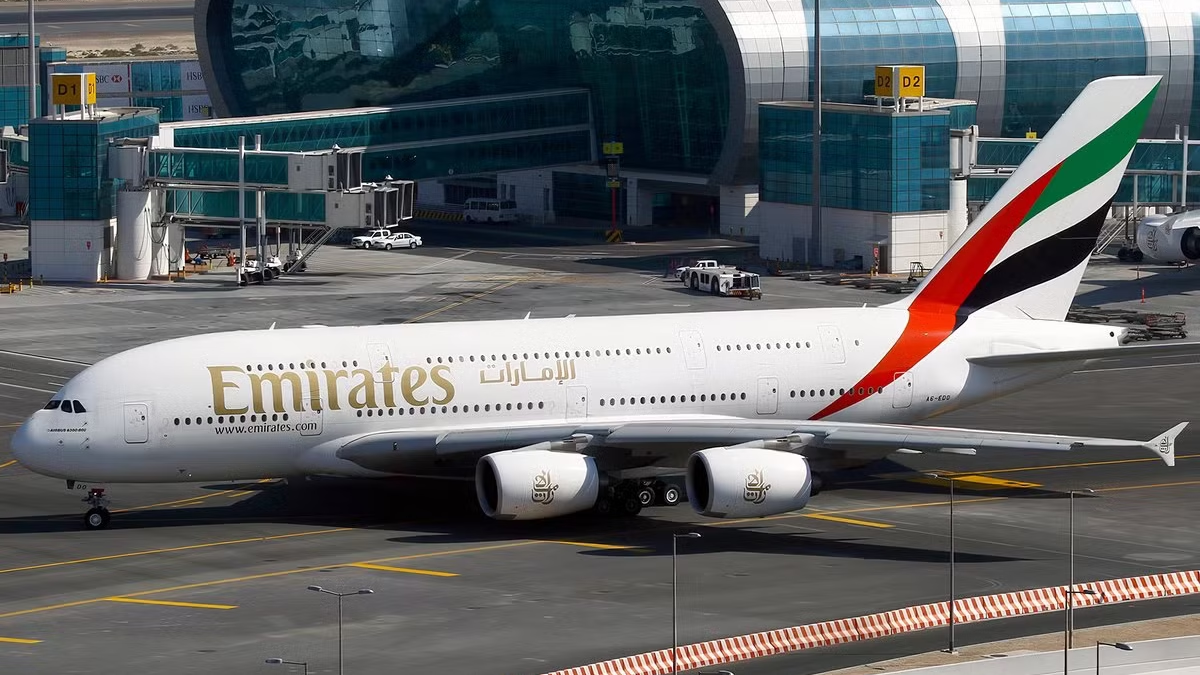
Emirates has reportedly suspended Airbus A380 flights on five major routes, creating a noticeable shift for passengers who specifically look for the airline’s flagship double-decker aircraft.
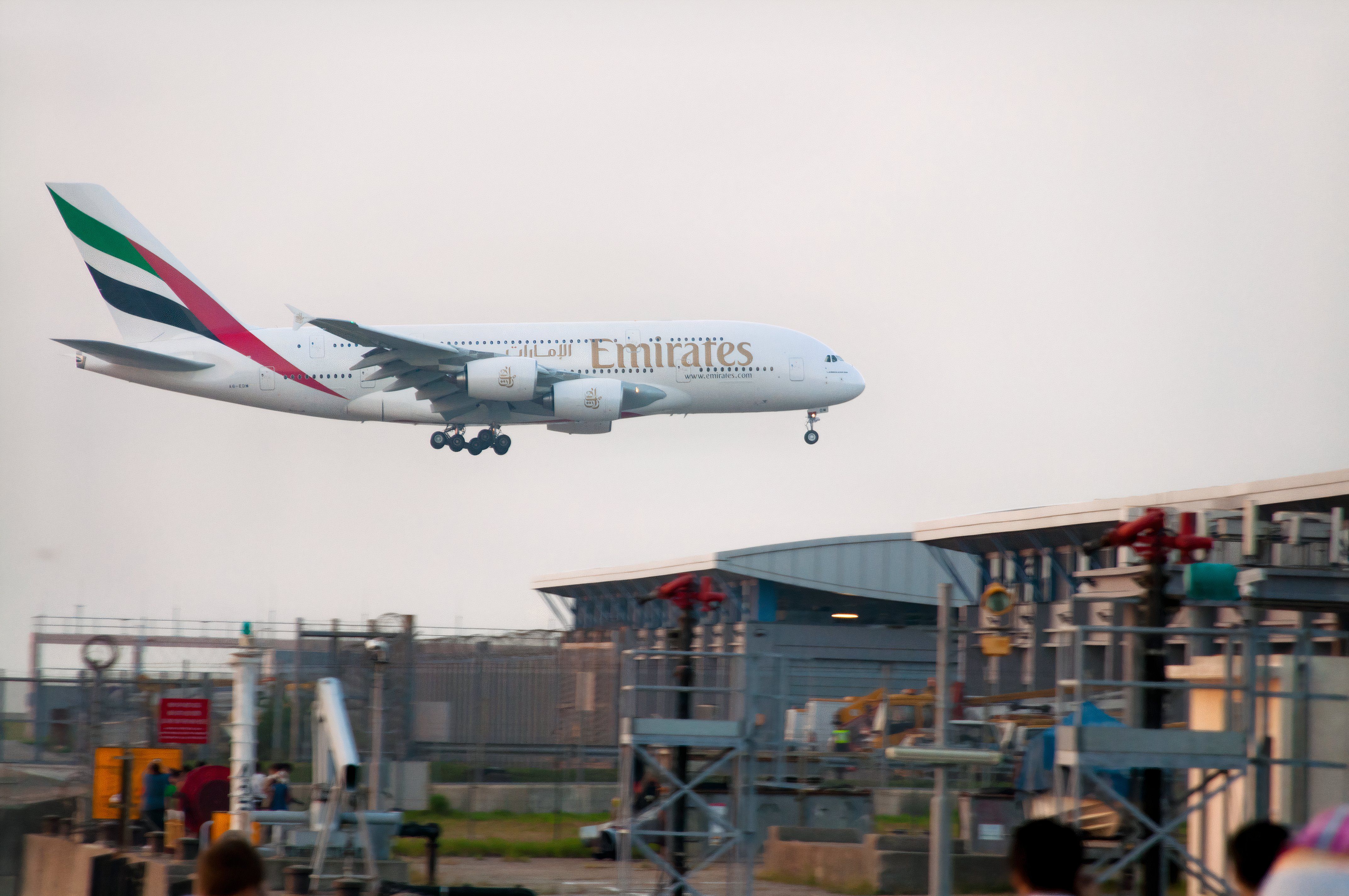
The change was reported by Simple Flying, which noted that Emirates has removed A380 service from selected routes in its schedule. The aircraft may be replaced by other widebody jets, depending on the route, timing, and capacity needs.
For passengers, the change matters because the Emirates A380 is not just another aircraft. It is one of the airline’s most recognizable products, known for its large cabins, premium seating, onboard lounge, and first-class shower suites on selected configurations.
Emirates remains the world’s largest Airbus A380 operator and continues to rely heavily on the type across high-demand long-haul routes. Business Insider reported that Emirates had 95 active A380s in scheduled service for December 2025 and listed a wide global A380 network including Hong Kong, Glasgow, London, New York, Sydney, Bangkok, Paris, and many others. :contentReference[oaicite:1]{index=1}
That is why any A380 removal attracts attention. Even when the flight still operates with another aircraft, passengers may lose access to the specific onboard product they expected when booking.
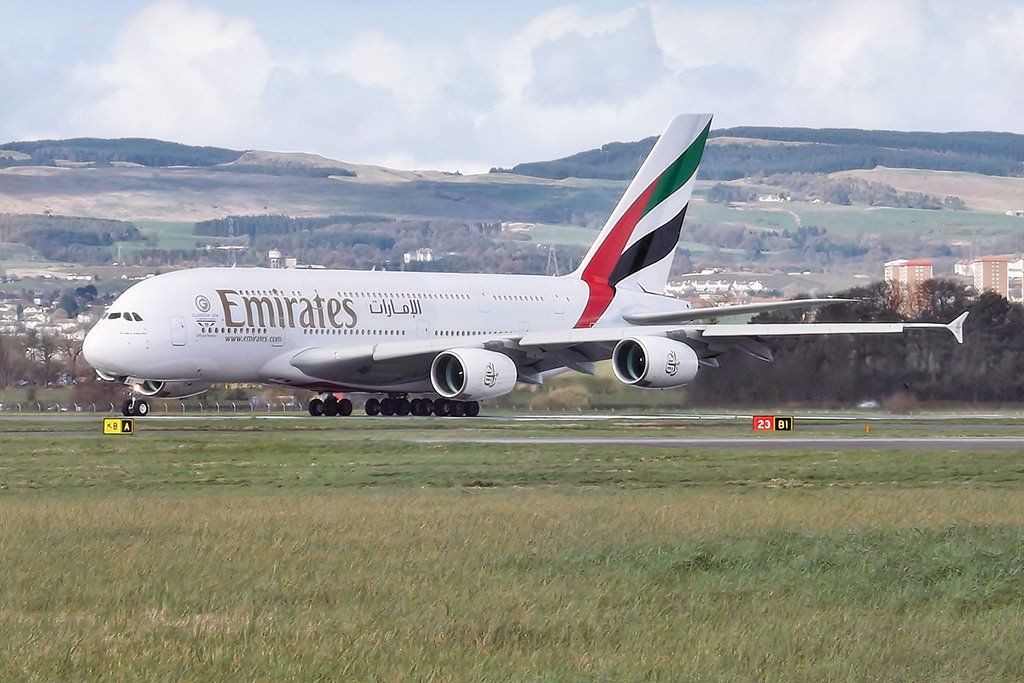
The suspension also highlights how Emirates manages capacity from its Dubai hub. The A380 is useful when demand is strong enough to fill a very large aircraft, especially on slot-constrained or premium-heavy routes. But when demand changes, aircraft availability shifts, or maintenance planning requires flexibility, Emirates can move the superjumbo elsewhere and use another widebody instead.
The airline has a large all-widebody fleet, giving it more room to adjust aircraft types than many other carriers. Emirates operates both Airbus A380s and Boeing 777s at scale, and the carrier has also been adding newer Airbus A350 aircraft into its long-haul network. Public fleet data lists Emirates as the largest operator of both the Airbus A380 and Boeing 777 families. :contentReference[oaicite:2]{index=2}
For the affected markets, the biggest passenger impact may be seat capacity and product consistency. A Boeing 777 can still provide long-haul service, but it does not offer the same cabin layout or passenger experience as the A380.
The move does not necessarily signal weakness in the A380 program at Emirates. The airline has repeatedly shown that the aircraft still works well on routes where high passenger volume and premium demand support it. But the latest schedule changes show that even Emirates does not treat every A380 route as permanent.
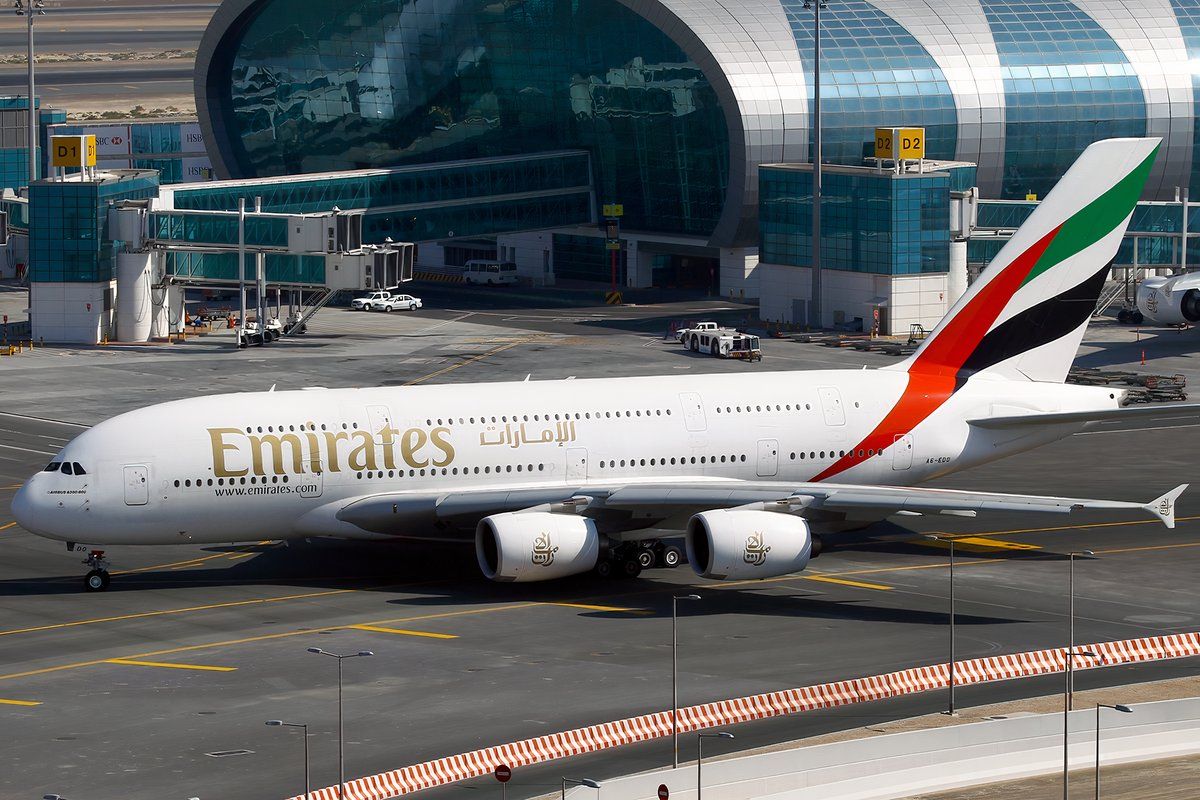
The broader issue is that the A380 is a powerful aircraft, but not a flexible one. It works best when an airline can fill hundreds of seats and justify the operating cost. On routes where demand is more seasonal, uneven, or better matched to smaller widebodies, a temporary or longer schedule change can make more sense.
For aviation watchers, the story is less about Emirates walking away from the A380 and more about how valuable the aircraft has become as a network tool. The superjumbo is still central to Emirates’ identity, but it is being moved carefully to the routes where it can do the most work.
For passengers, the advice is simple: check the aircraft type again before travel. If the A380 is part of the reason for booking, schedule changes can matter just as much as departure time, seat selection, or fare class.