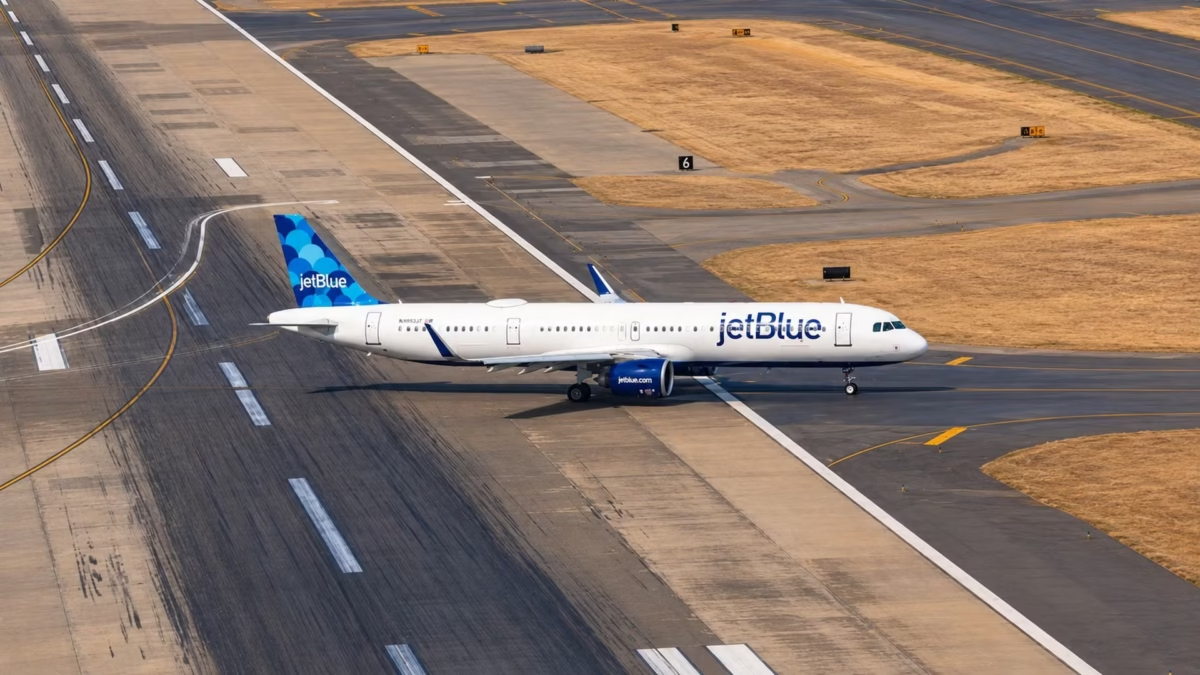
JetBlue’s Mint Studio has quietly become one of the more interesting premium seats on U.S. transcontinental routes, especially for travelers who want more space without paying for a full international first-class experience.
The trend was highlighted by Simple Flying, which argued that JetBlue Mint Studio has become a strong value point on premium transcontinental flying. The reason is simple: on routes that can last five to six hours, extra room, a closing suite-style space, and a lie-flat seat can make a major difference.
Mint Studio is not available on every JetBlue aircraft. It appears on select Airbus A321 aircraft with JetBlue’s newer Mint configuration, where the front row offers a larger version of the Mint experience compared with the standard Mint Suite.
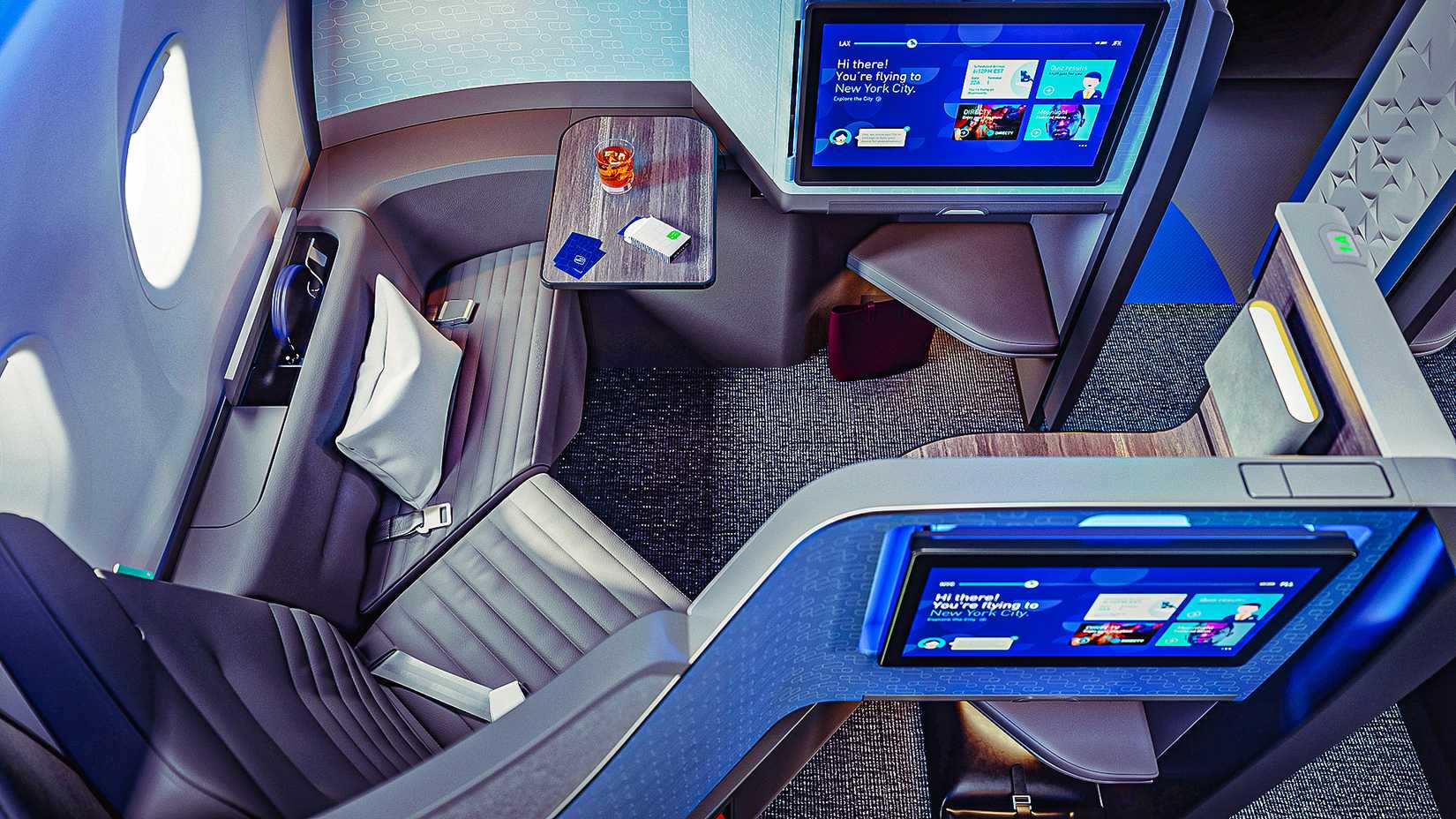
JetBlue has described Mint Studio as offering the most space in a premium experience from any U.S. airline, with each aircraft featuring two Mint Studios in the first row. The seat includes a 22-inch screen, extra side table space, and a guest seat that can be used by another Mint customer at cruising altitude.
That extra space is what makes Mint Studio stand out. A regular Mint Suite already gives passengers a lie-flat seat and more privacy than most domestic premium products. Mint Studio adds a larger personal area at the front of the cabin, making it feel closer to a small private room on a narrowbody aircraft.
For transcontinental passengers, that can matter more than it sounds. Flights between the East Coast and West Coast are long enough for work, sleep, dining, and entertainment, but they are still domestic routes. Travelers may not expect an international-style premium experience, which is exactly why Mint Studio feels different.

The product also fits a bigger shift in U.S. aviation. Airlines are increasingly trying to sell more comfort inside the same aircraft: extra-legroom economy, premium economy, business-class suites, and upgraded front-row products. Passengers may still be flying the same route, but the experience can now vary dramatically depending on the seat they buy.
JetBlue has long used Mint as a way to compete against larger network airlines on premium coast-to-coast routes. Instead of offering a traditional first-class cabin, the airline built Mint around lie-flat comfort, better food, personal space, and a more relaxed service style.
Mint Studio pushes that strategy further. It gives JetBlue a more exclusive top-end seat without needing a separate first-class cabin, and it gives premium travelers a reason to pay extra above the standard Mint fare.
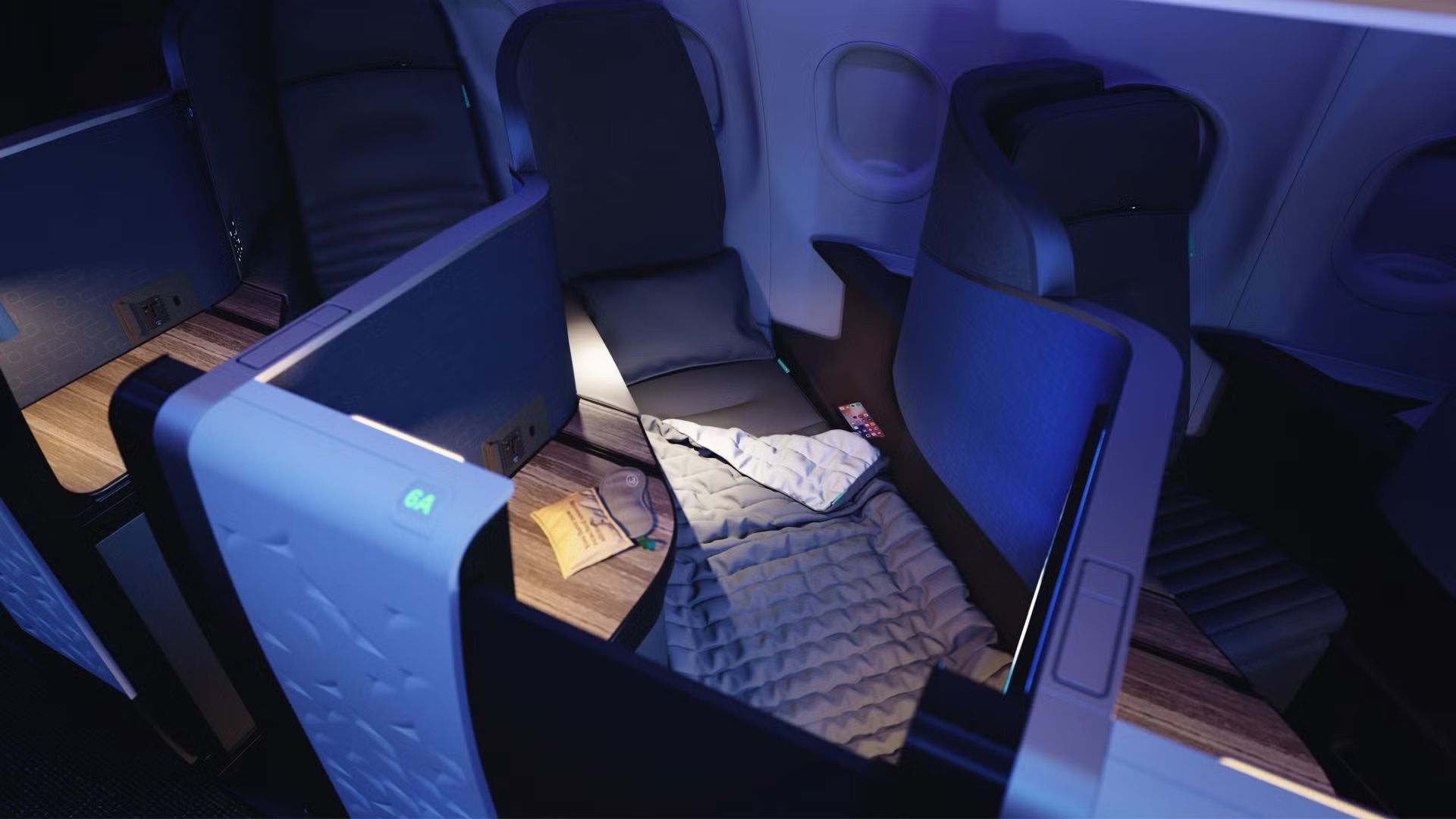
The sweet spot is not only about luxury. It is about the balance between price, comfort, and flight length. On a short flight, paying extra for Mint Studio may not make much sense. On a transcontinental route, the added space can feel far more valuable.
It can also be useful for travelers who want to work during the flight. The extra table space and larger screen make the front-row suite more practical for laptops, meals, and entertainment. For overnight or early morning flights, the extra room can also help passengers rest more comfortably.
There are still limits. Mint Studio availability is small because there are only two Studio seats on aircraft that have the product. Prices can also vary widely depending on route, date, demand, and whether JetBlue is selling it as a paid upgrade or as part of the original fare.
That scarcity is part of the appeal. If the price gap over a regular Mint Suite is reasonable, the Studio can be one of the better premium upgrades in the U.S. domestic market. If the price is too high, a standard Mint Suite may still be the better value.
For travelers comparing transcontinental options, the lesson is simple: JetBlue Mint Studio is worth checking when flying longer routes where the extra space will actually be used. It may not be necessary for every passenger, but on the right route at the right price, it can feel like one of the most comfortable ways to cross the country on a narrowbody jet.
For aviation watchers, Mint Studio shows how premium competition has changed. Airlines are no longer only competing over whether a seat lies flat. They are competing over privacy, personal space, cabin design, and how much more passengers are willing to pay for a better version of premium travel.
Comments 0
No comments yet. Be the first to share your take.