SkyWest Airlines is facing renewed attention after a sexual harassment case ended against the carrier, followed by a legal argument that has drawn even more criticism.
The case, reported by View From The Wing, centered on allegations of repeated workplace sexual harassment involving a SkyWest employee. After the case went against the airline, SkyWest’s later argument focused partly on whether the victim should have taken psychiatric medication to reduce the emotional harm she suffered.
That argument is what turned the case from a workplace harassment dispute into a broader public-relations problem. In employment cases, companies often challenge the amount of damages awarded. But arguing that a victim should have taken psychiatric drugs can appear to shift attention away from the workplace conduct and toward the victim’s response to it.
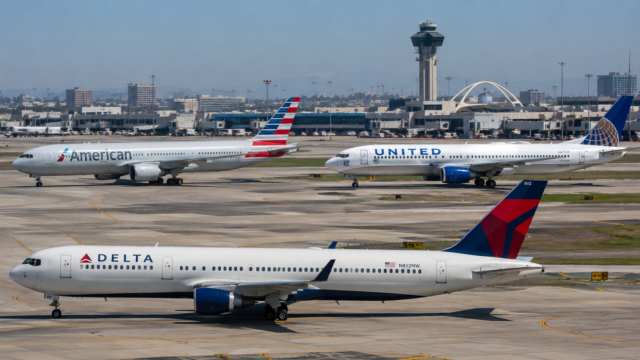
SkyWest is not a small airline in the U.S. regional system. The company operates flights on behalf of major carriers including United Airlines, Delta Air Lines, American Airlines, and Alaska Airlines. That means its workplace culture and legal disputes can carry attention beyond the SkyWest name itself.
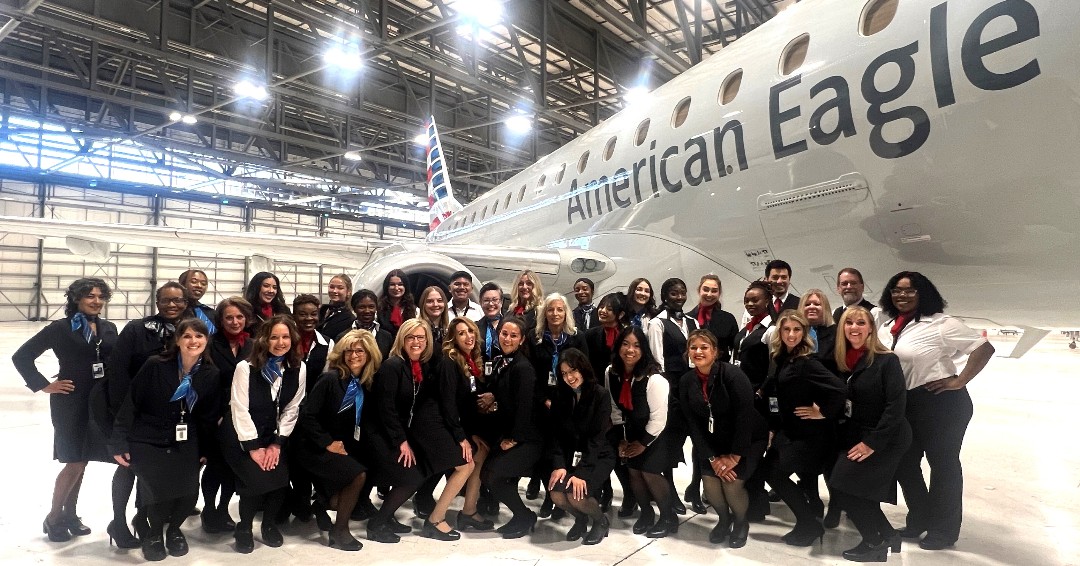
The case also highlights a difficult issue for airline workers. Crews, airport employees, and regional airline staff often work in close teams, under pressure, and across changing schedules. When harassment is alleged in that environment, the company’s response can matter as much as the original conduct.
For employees, the central question is whether they can report misconduct without being ignored, minimized, or later blamed for how they handled the emotional impact. For airlines, the risk is not only legal. It is also reputational, especially when the company’s defense appears insensitive to victims of workplace harassment.
Sexual harassment cases are especially sensitive because they involve both workplace safety and personal dignity. A legal defense may be technically aimed at damages, but the public often reads it more simply: whether the company appears to understand the seriousness of what happened.
The controversy around SkyWest’s argument is likely to keep the case in discussion among aviation workers and frequent travelers. It raises a bigger question for the airline industry: how should carriers respond after harassment claims are proven or upheld?
For aviation watchers, this is not just a legal story. It is a reminder that airline safety culture is not only about aircraft, maintenance, and flight operations. It also includes whether employees feel protected, respected, and safe inside the workplace.