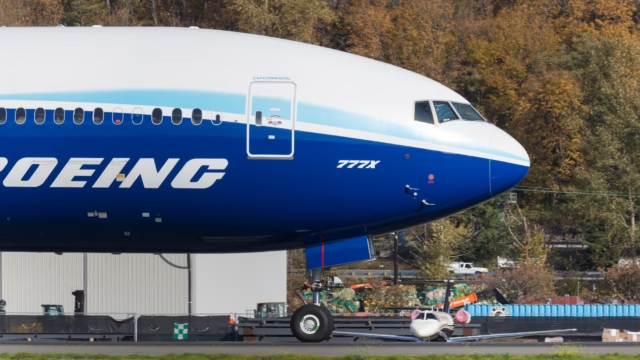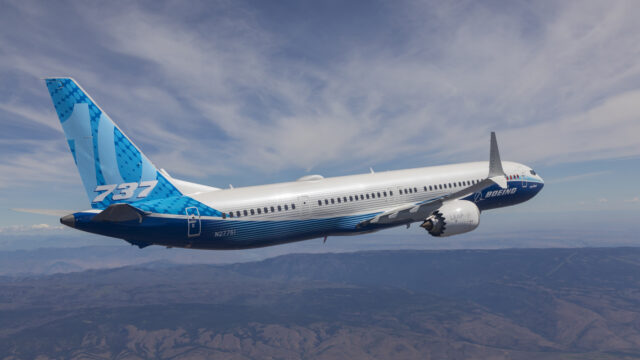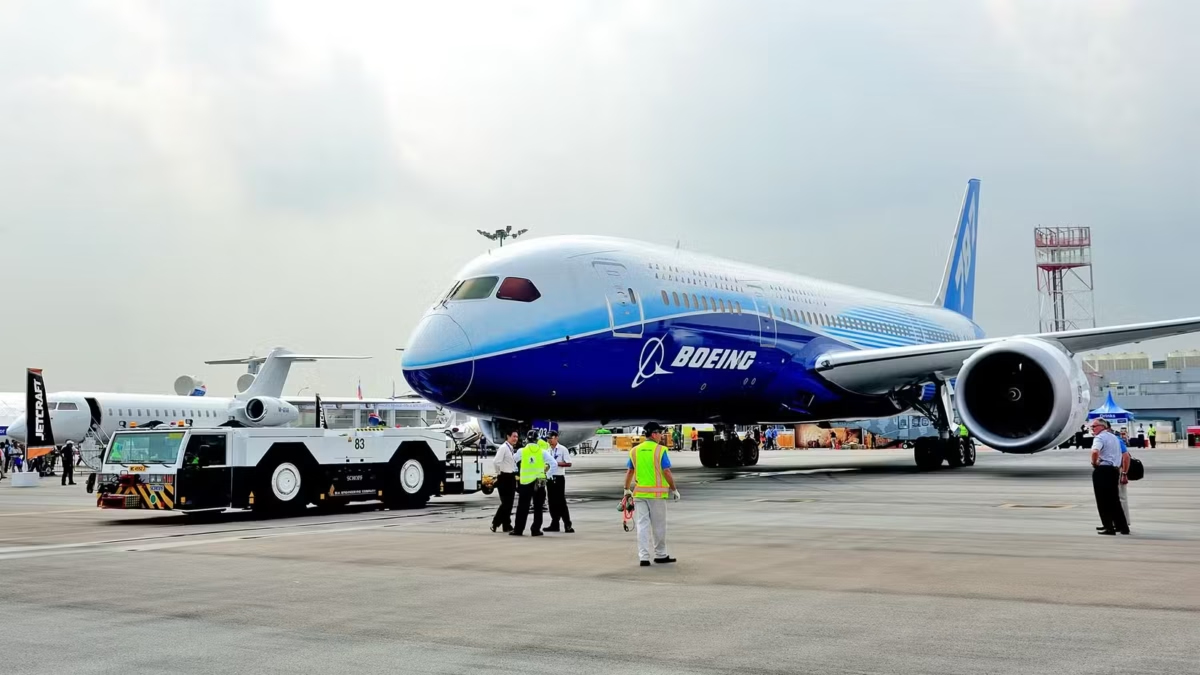
Some of Boeing’s most recognizable modern jets share a small but important design detail: the jagged, sawtooth-shaped edges at the back of their engine nacelles.
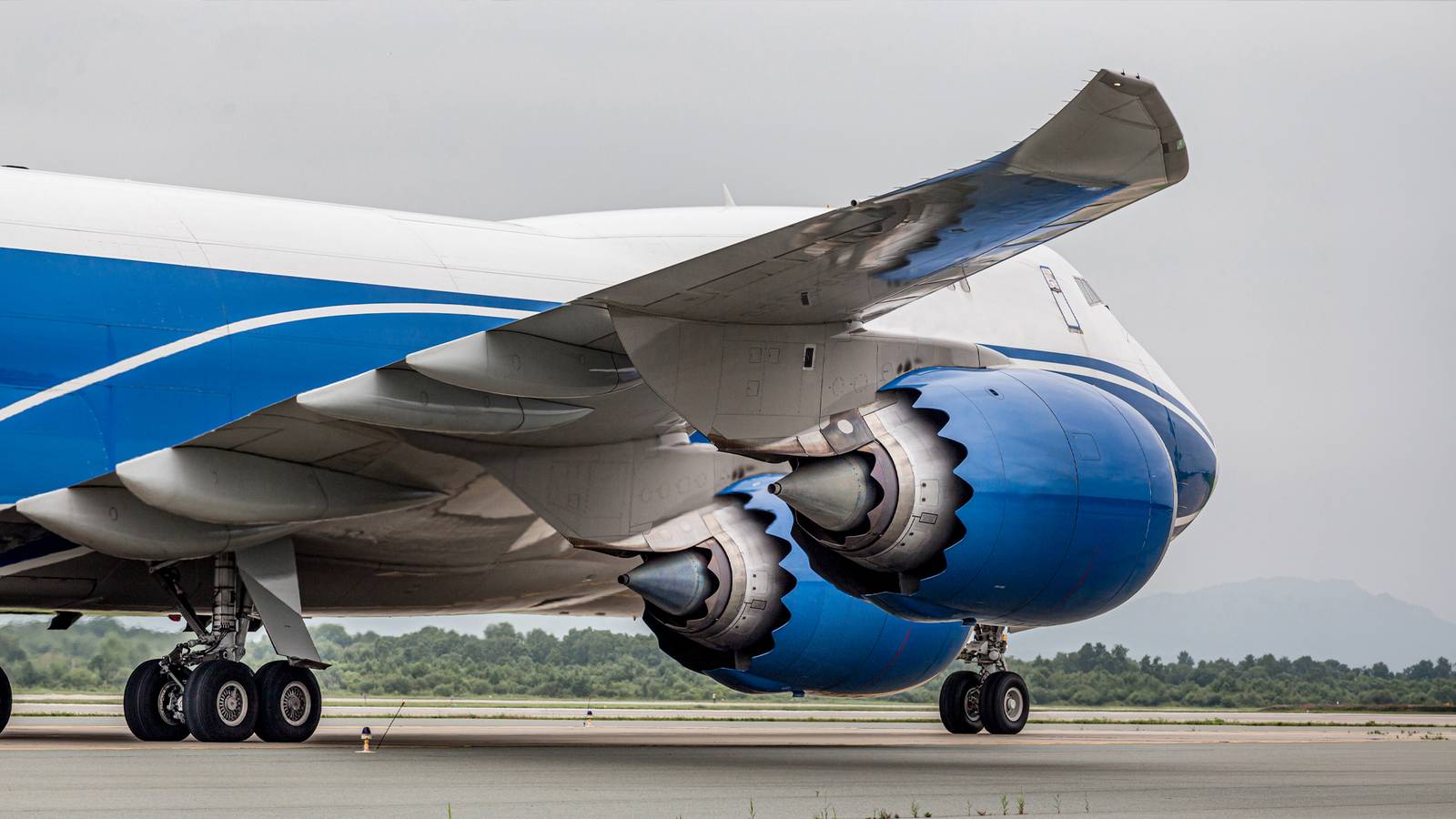
The feature is called a chevron. It appears on aircraft including the Boeing 787 Dreamliner, Boeing 747-8, and Boeing 737 MAX. To many passengers, it may look like a styling choice. In reality, it is an engineering compromise designed to make aircraft quieter around airports.
The topic was highlighted by Simple Flying, which described the design as a “quieter but thirstier” compromise built into three Boeing jets. The reason is that chevrons help mix the hot engine exhaust with the surrounding cooler air more smoothly, reducing some of the harsh jet noise that communities hear during takeoff and landing.
NASA has described chevrons as sawtooth edges on jet engine nacelles or nozzles that are proven to reduce engine noise both outside the aircraft and inside the cabin. NASA also says Boeing found chevrons helped give the 787 a 69% smaller noise footprint and the 747-8 a 29% smaller noise footprint.
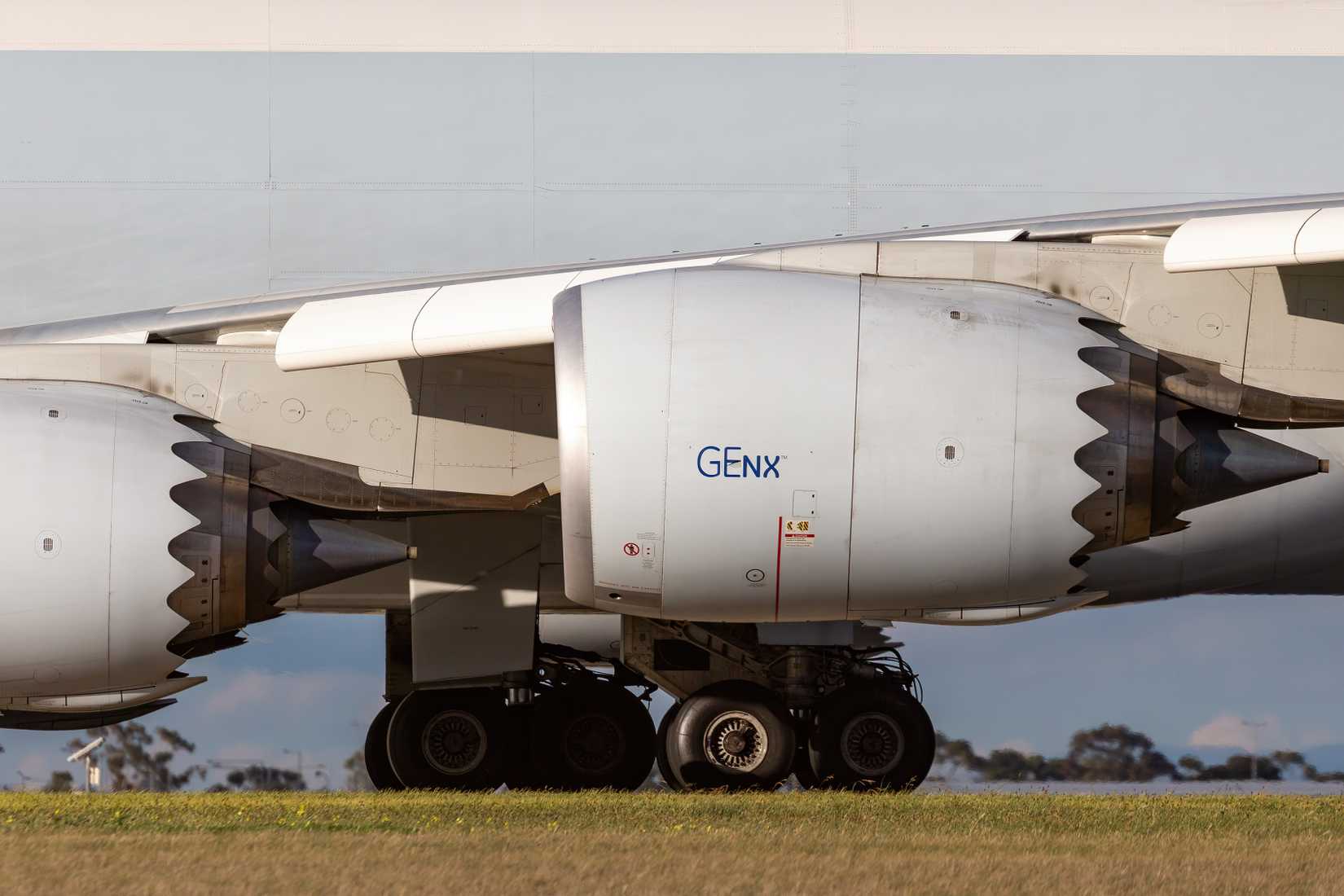
On the Boeing 747-8, the benefit mattered because the aircraft was a modern version of a very large four-engine jet. Quieter engines helped Boeing make the 747-8 more acceptable at noise-sensitive airports while still giving airlines the range and payload benefits of a large aircraft.
The 747-8 uses GE’s GEnx-2B engines. GE has said the GEnx-2B offered improved fuel efficiency compared with the older CF6 engine, while also producing about 30% lower noise levels through large, efficient fan blades operating at slower tip speed.
But chevrons are not magic. They reduce noise by changing the way air mixes behind the engine, and that can come with aerodynamic costs. In simple terms, smoothing the sound can slightly disturb the cleanest possible airflow.
That is where the “thirstier” part comes from. A chevron can reduce noise, but it may also create a small efficiency penalty compared with a perfectly smooth nacelle edge. Aircraft designers have to decide whether the noise benefit is worth the fuel-burn tradeoff.
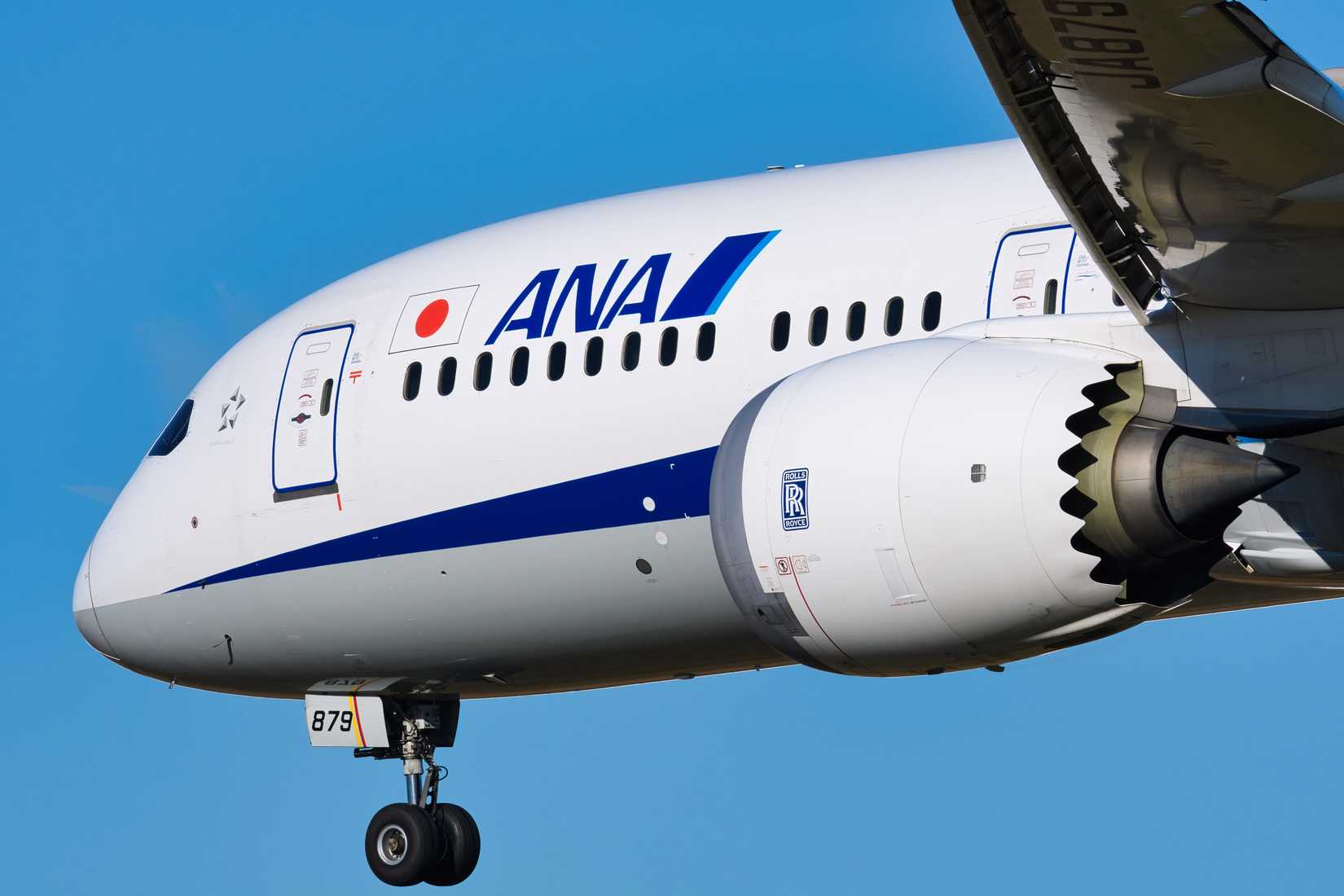
The Boeing 787 made the design especially famous. Its large engines, smooth composite fuselage, and serrated nacelle edges became part of the Dreamliner’s visual identity. For passengers and airport communities, the goal was quieter operations. For engineers, the challenge was getting that noise reduction without giving away too much efficiency.
The Boeing 737 MAX also uses a chevron-style nacelle design. Boeing says the 737-8 has a 50% smaller noise footprint than the 737-800, helped by the LEAP-1B engine’s higher bypass ratio and the chevron nacelle design inspired by the 787.
That is important because the 737 MAX is a narrowbody aircraft used heavily at airports around the world. A quieter noise footprint can matter on dense short-haul networks where aircraft make repeated departures and arrivals near communities.
The design also shows how commercial aviation is full of tradeoffs that passengers rarely see. Airlines want lower fuel burn. Airports and communities want less noise. Manufacturers want aircraft that meet regulations, satisfy airline economics, and remain practical to build and maintain.
Chevrons sit right in the middle of that balancing act. They are visible, simple-looking, and easy to recognize, but the science behind them involves complex airflow, exhaust mixing, acoustic behavior, thrust, drag, and certification requirements.
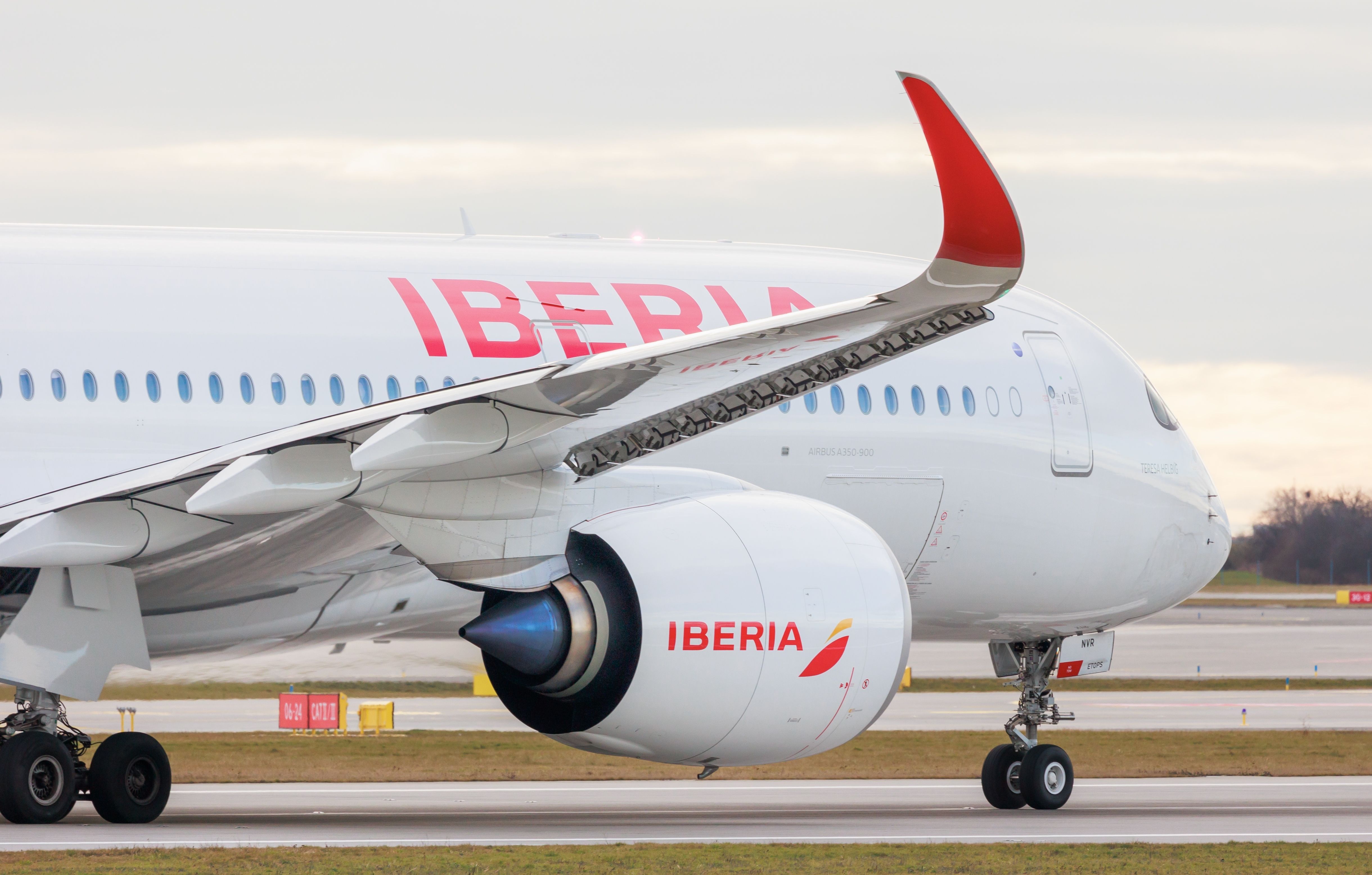
The reason not every new aircraft uses visible chevrons is that newer engines and nacelles may solve the same noise problem in other ways. If engineers can reduce noise internally without adding drag or thrust penalty at the nacelle edge, a smooth design may be better.
That is why chevrons are best understood as a solution from a specific design era. They were a practical way to reduce noise on aircraft like the 787, 747-8, and 737 MAX, especially as airlines and airports faced stricter noise expectations.
For aviation fans, the sawtooth edge is one of the easiest engine details to spot. For engineers, it is a reminder that aircraft are never designed around one goal alone.
The perfect jet would be silent, cheap to operate, fuel-efficient, lightweight, powerful, easy to maintain, and acceptable at every airport. Real jets cannot be all of those things at once. So designers make choices.
On these Boeing aircraft, the chevron was one of those choices: quieter for the ground, quieter for the cabin, but not completely free in performance terms.
Comments 0
No comments yet. Be the first to share your take.