Boeing’s long-delayed 777X program has created an unusual problem: some 777-9 aircraft were built years ago, but they still have not been delivered — and now they may need so much rework that airlines no longer want them in their original form.
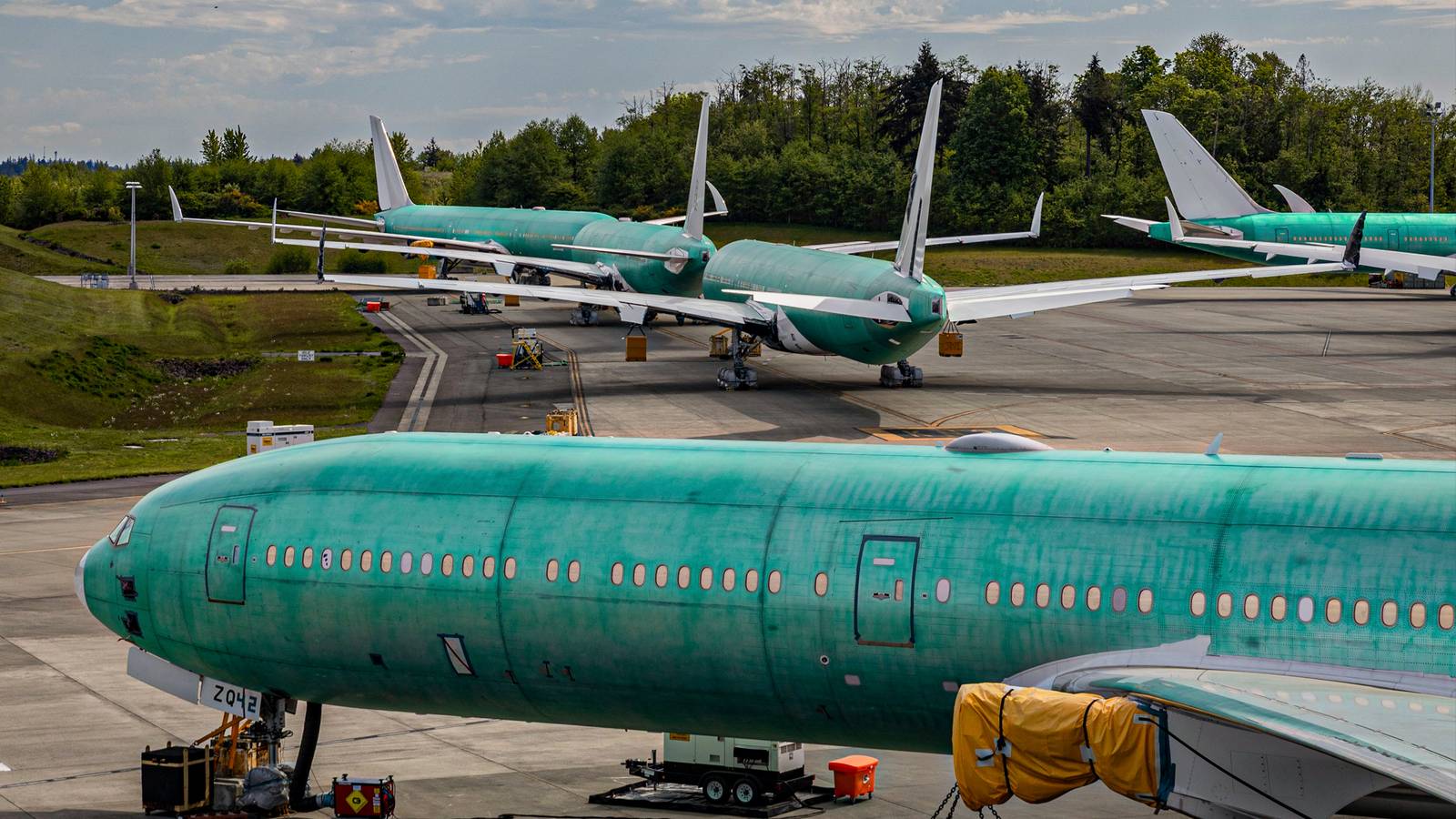
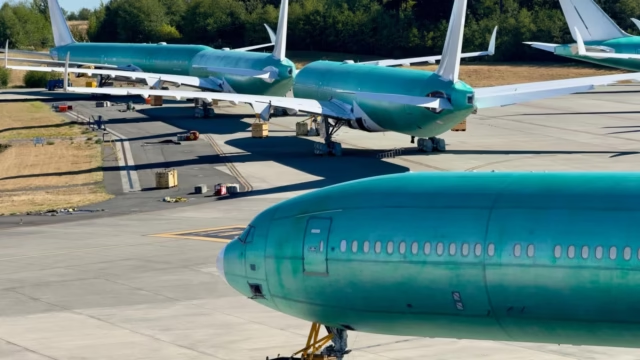
The issue was highlighted by Simple Flying, which described how a seven-year delay has made around 30 already-built Boeing 777-9s financially obsolete. The problem is not that these aircraft cannot fly. The problem is that early-build jets may no longer match the final certified production standard customers now expect.
The 777X was originally expected to enter service around 2020, but certification delays, design changes, testing setbacks, regulatory scrutiny, and production issues pushed the first delivery to 2027.
That gap created a strange situation. Boeing kept building aircraft during parts of the delay, but aviation technology, software standards, certification requirements, customer expectations, and required modifications continued to move forward.
As a result, some aircraft that were physically assembled years ago now need change incorporation before they can be delivered. In simple terms, Boeing has to bring those older “new” aircraft up to the final delivery standard.
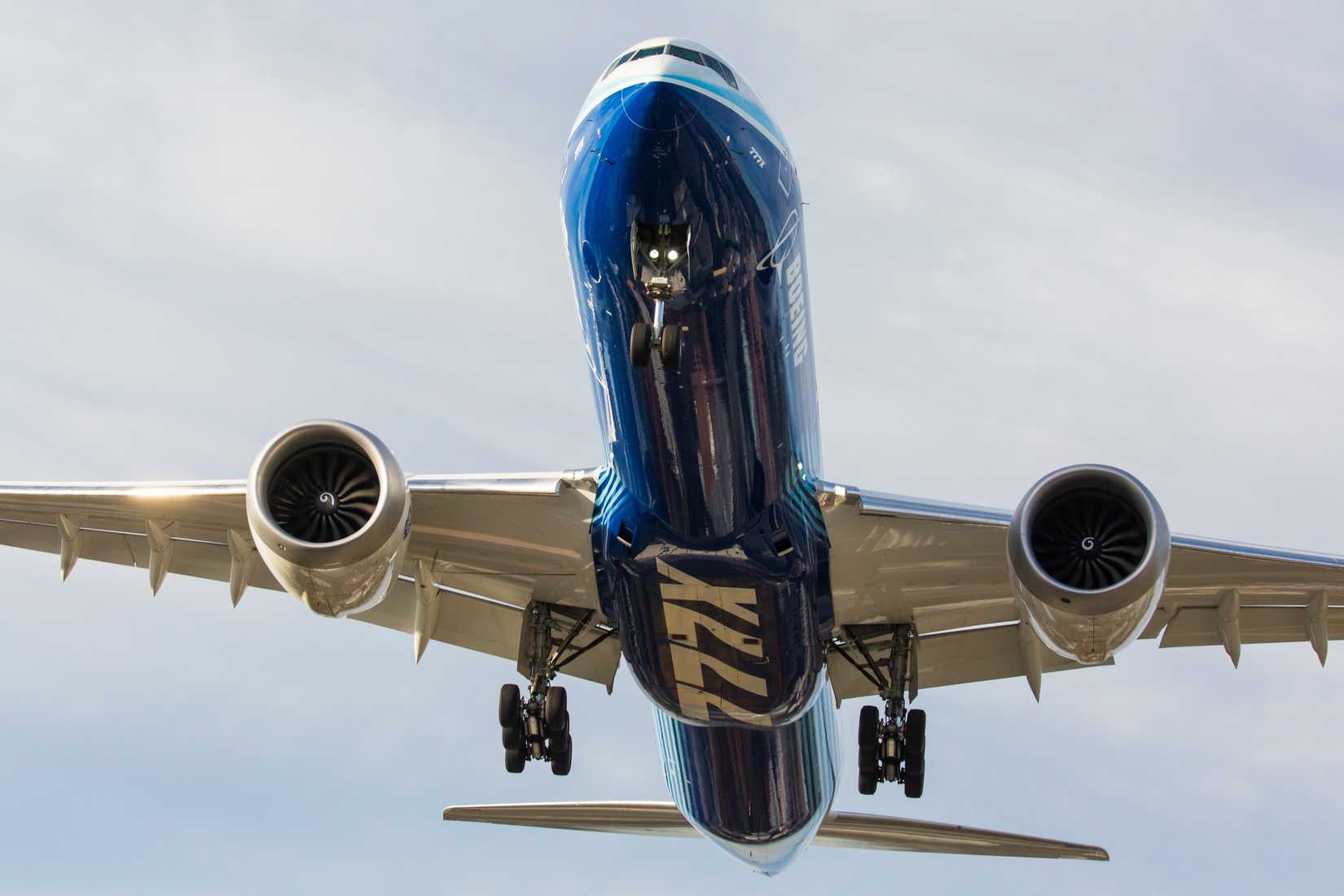
That is where the financial problem begins. An aircraft can be brand new on paper, but if it was built to an earlier configuration and requires years of updates, airlines may not value it the same way as a fresh aircraft rolling off the line after certification.
For airlines, accepting an early-build aircraft can mean taking a jet with extra rework history, older production timing, different modification needs, and possibly more complexity than a later-build aircraft.
That matters because widebody aircraft are long-term assets. Airlines plan cabins, maintenance, resale value, financing, and fleet strategy around them. A plane that is technically new but already several years old before delivery can become a harder sell.
Emirates has become the clearest example of that tension. The airline has reportedly rejected early-build 777-9s that would require extensive modifications before delivery. That sends a strong signal to Boeing: customers may still want the 777X, but not necessarily the oldest aircraft in inventory.
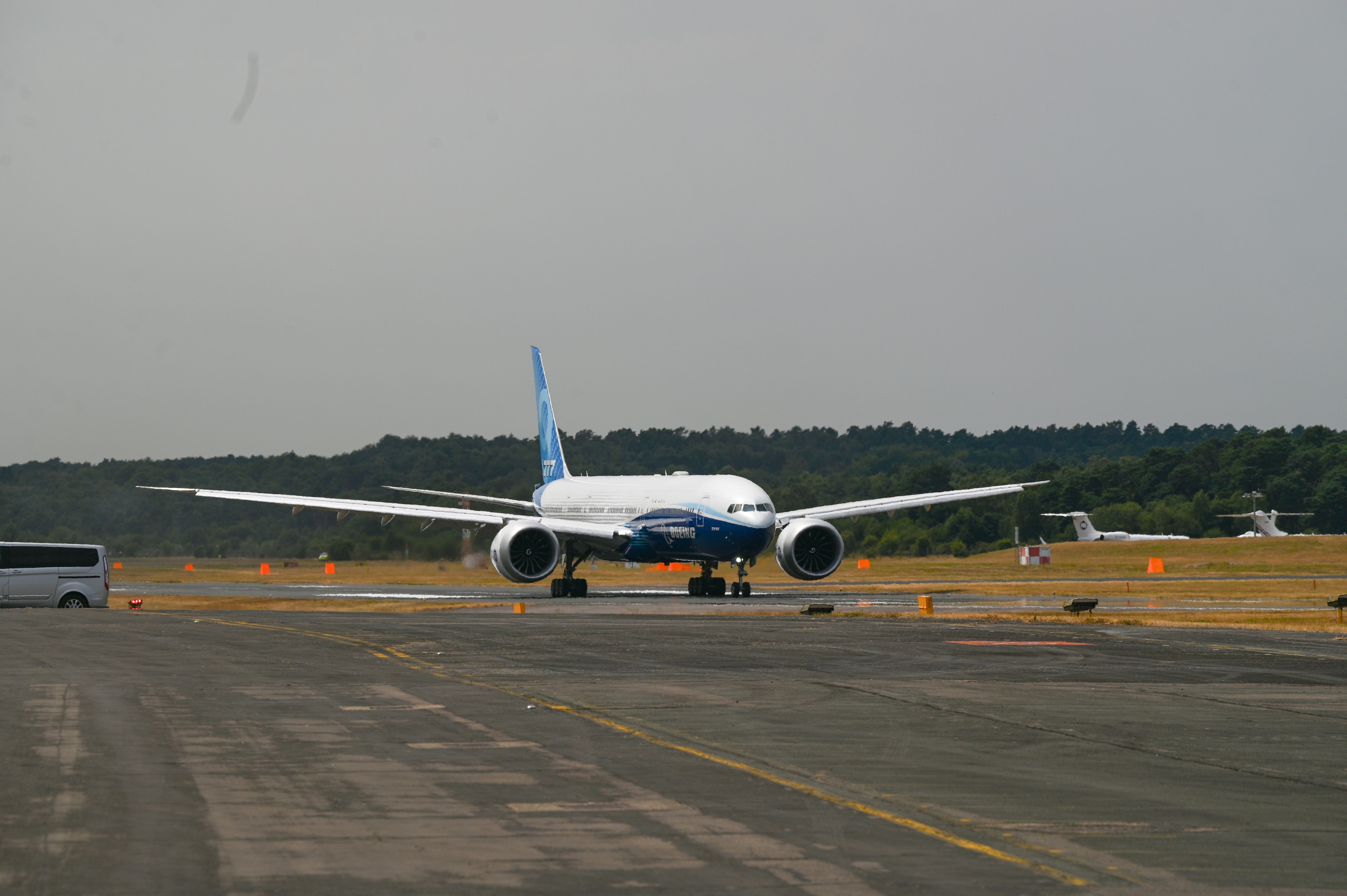
Boeing has said change incorporation was always part of its plan. But the longer the delay stretches, the more complicated the early aircraft become from a business perspective.
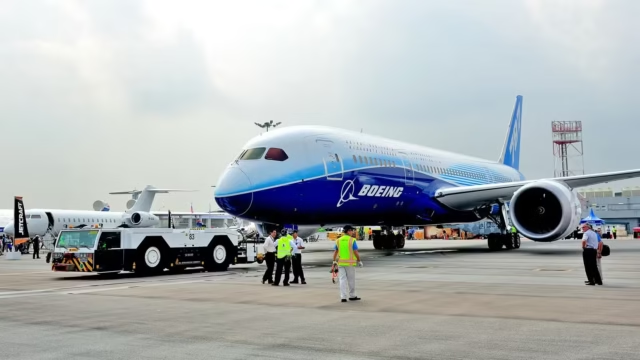
This is why aviation analysts compare the issue to Boeing’s earlier 787 “Terrible Teens” problem. During the early Dreamliner years, some early-built 787s required extensive rework before delivery and were eventually sold at discounts.
The 777X situation is not identical, but the comparison is hard to ignore. Boeing has a group of aircraft that already consumed production money, parking space, engineering resources, and customer patience — but may not be accepted by their intended buyers without major work or pricing changes.
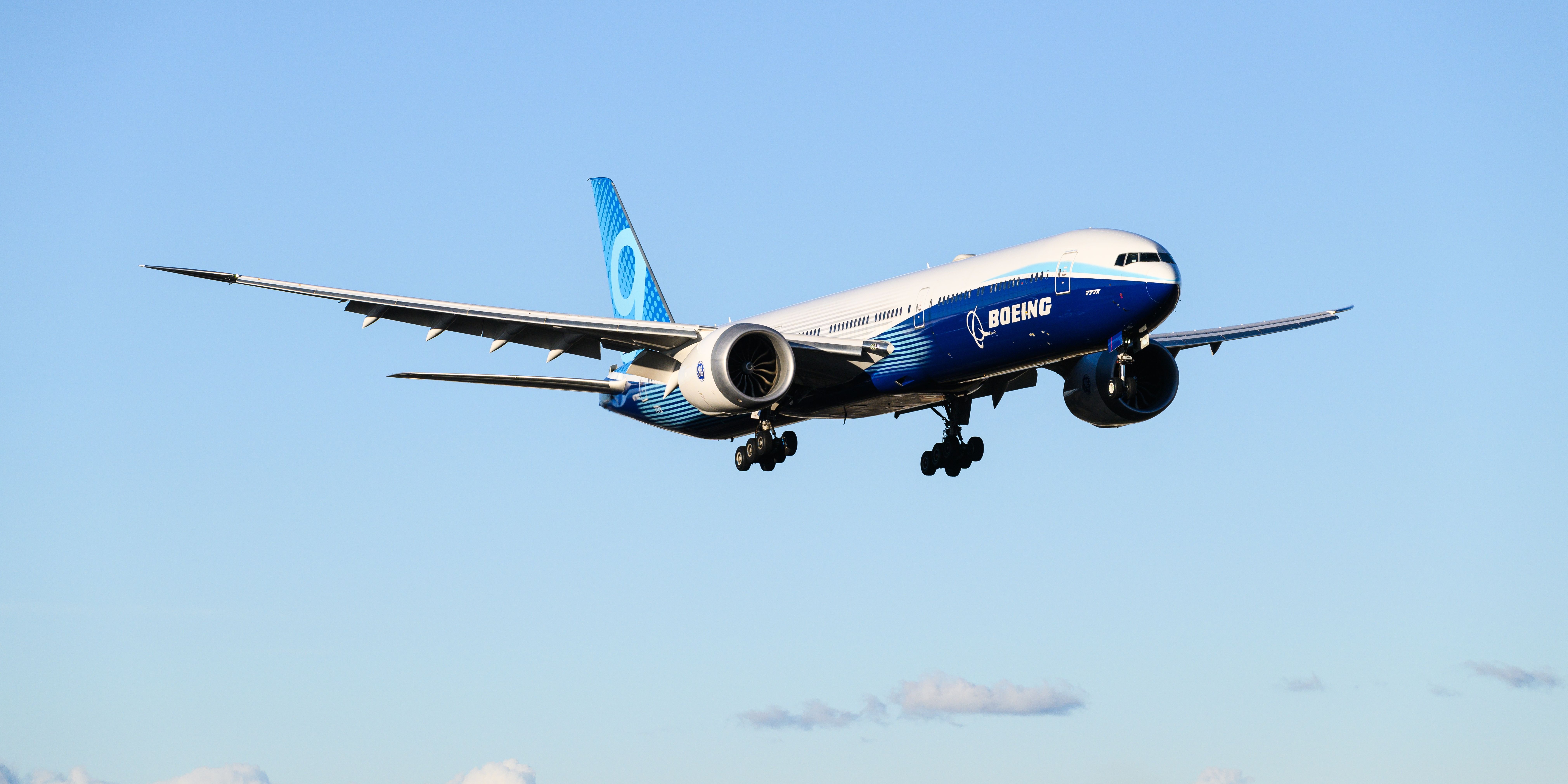
The delay also affects Boeing’s financial reporting. The company has already recorded major 777X-related losses, including costs tied to certification timing, completed-aircraft changes, delivery negotiations, production disruption, and customer considerations.
For Boeing, the challenge is now twofold. First, it must finish certification and deliver the first 777-9 to customers. Second, it must decide what to do with aircraft that were built too early and now need expensive updates.
That could mean discounting some early-build jets, reworking them over time, shifting them to different customers, or using them in ways that minimize the financial damage. None of those options is simple.
For airlines waiting on the 777X, the bigger issue is timing. Many carriers ordered the aircraft to replace older 777s, 747s, and A380s, or to support long-haul growth. Every year of delay forces airlines to keep older jets flying longer, lease temporary capacity, or adjust their network plans.
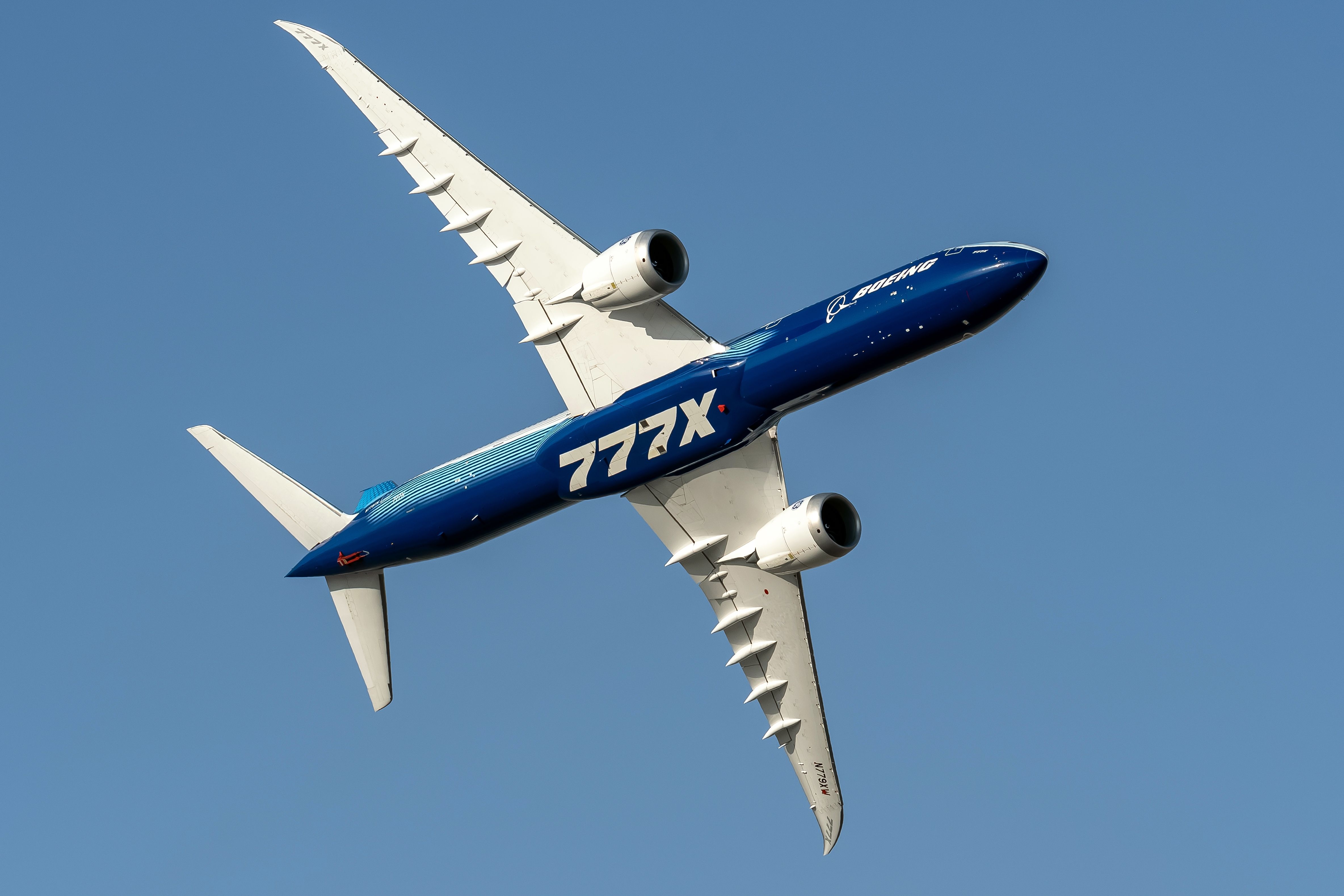
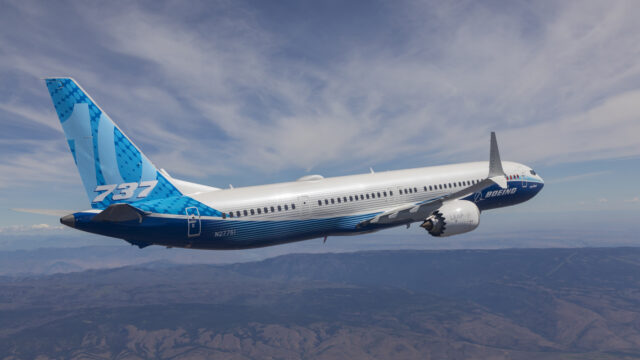
The 777-9 itself remains an important aircraft. It promises large capacity, long range, folding wingtips, new GE9X engines, and better efficiency than the older 777-300ER. Demand for the type has not disappeared.
But the early inventory problem shows how damaging delays can be in aircraft manufacturing. A jet is not like a normal product sitting in a warehouse. If certification requirements, software, hardware, customer cabins, or production standards change, an aircraft already built years earlier may become financially awkward before it ever carries passengers.
That is the core of the story. Boeing may still deliver the 777X successfully, and airlines may still depend on it for long-haul growth. But for the oldest already-built 777-9s, the delay has turned “new aircraft” into something more complicated: expensive inventory that may need heavy rework, customer negotiation, and possibly deep discounts before it can finally leave Everett.
Comments 0
No comments yet. Be the first to share your take.