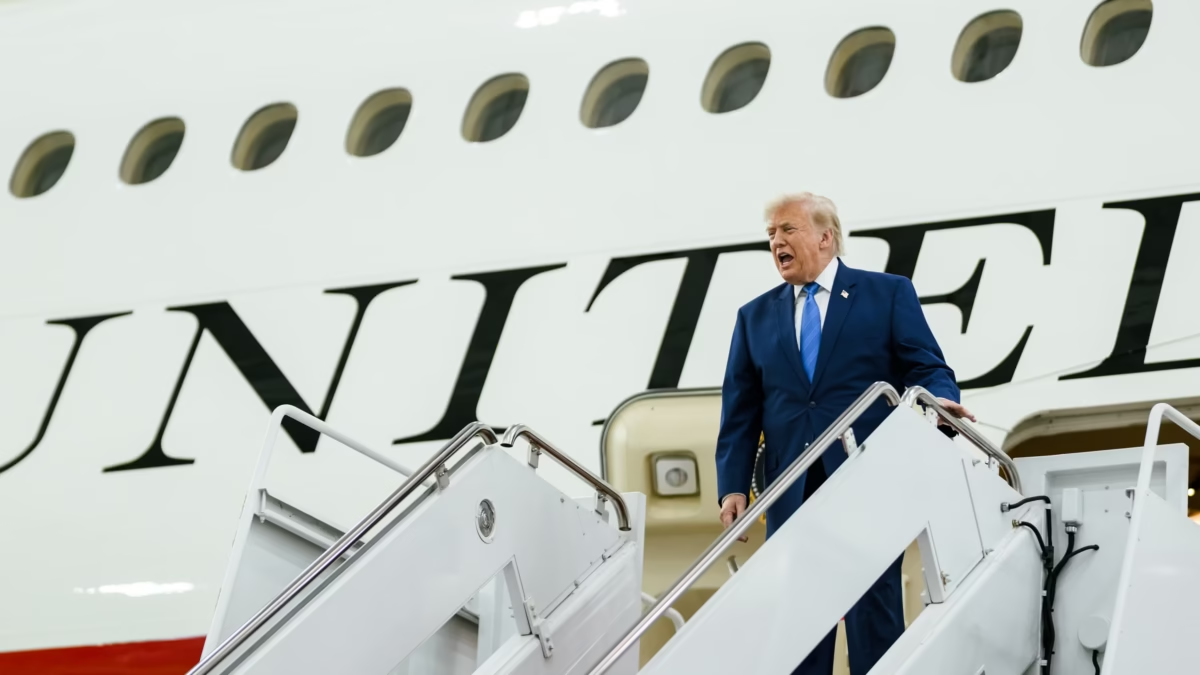
President Donald Trump’s newly converted Air Force One aircraft is facing new scrutiny after reports said the Secret Service urged him to avoid using it because it lacked some of the defensive systems found on the older presidential jet.
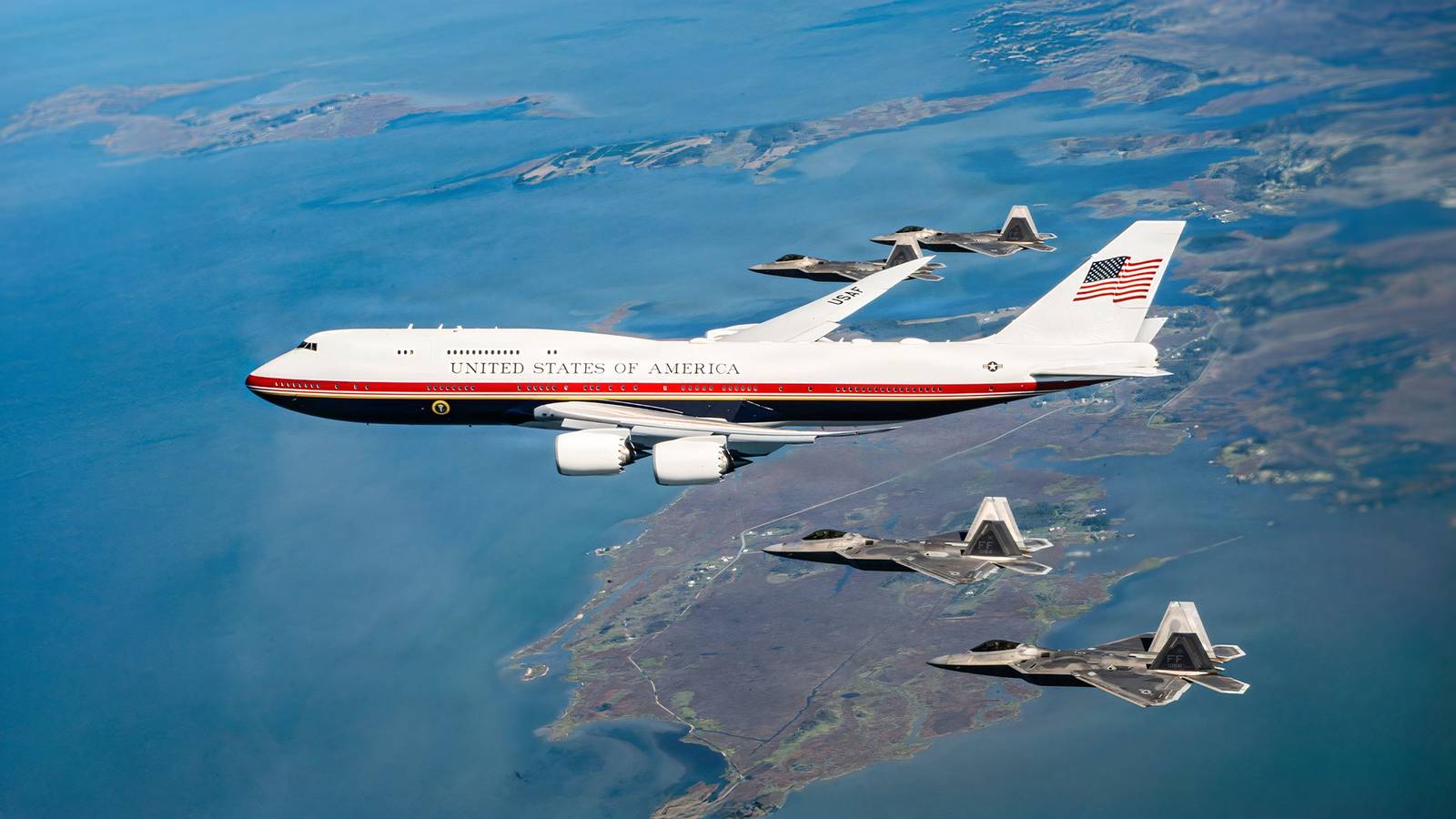
The aircraft, a Boeing 747 linked to Qatar and converted for U.S. presidential use, has already drawn attention because of its unusual background, luxury cabin, and fast-moving modification timeline. It was intended to serve as a temporary bridge aircraft while Boeing’s next-generation VC-25B Air Force One replacement program remains delayed.
The concern now is not simply the aircraft’s appearance or cost. According to recent reporting, security officials were worried that the new jet did not carry the full defensive package expected for high-risk presidential travel, including systems associated with missile defense, secure communications, and hardened presidential airlift operations.
The issue became more visible during Trump’s recent international travel. Reuters reported that Trump flew the older Air Force One out of Turkey, then switched to the newer aircraft in Britain for the return to Washington. Trump said the switch was so U.S. service members at RAF Mildenhall could tour the newly renovated aircraft, but the move still raised questions because of ongoing security concerns surrounding the jet.
The timing was especially sensitive because of heightened tensions involving Iran. The Wall Street Journal reported that Israeli intelligence had warned U.S. officials about a possible Iranian threat, and that national security officials viewed the newer aircraft’s defensive capability as insufficient for that environment.
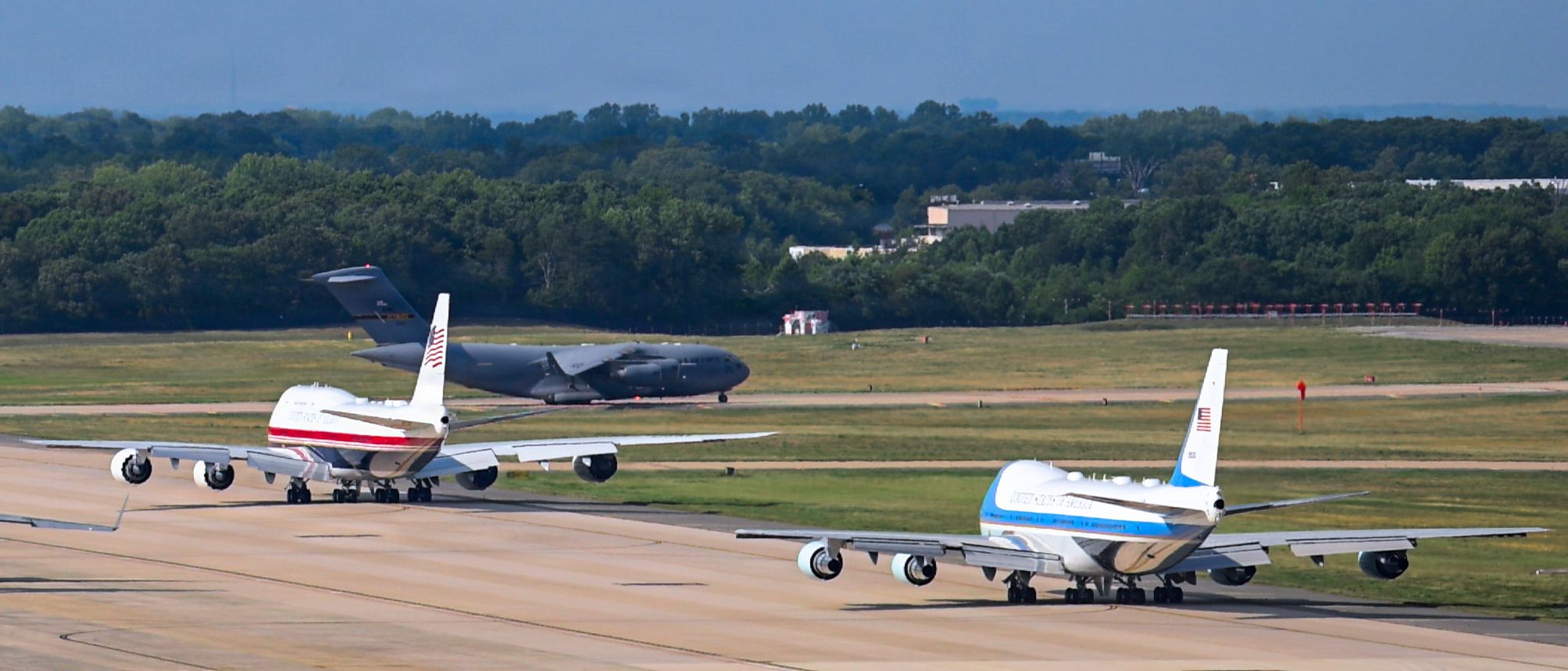
The White House has pushed back on concerns about the aircraft’s safety. Officials have defended the new jet as secure and said presidential movements can also involve operational secrecy, route planning, and other protective measures beyond the aircraft itself.
Still, the controversy highlights why Air Force One is not treated like a normal executive aircraft. A presidential aircraft is expected to function as a secure flying command platform, capable of supporting the president during emergencies, military crises, and high-risk travel.
The current older Air Force One aircraft are heavily modified Boeing 747-based VC-25A jets. Many of their most sensitive features remain classified, but they are widely understood to include secure communications, defensive countermeasures, and systems designed for continuity of government during a crisis.
By comparison, the newer bridge aircraft was modified quickly to fill a gap while the final Boeing-built VC-25B replacement jets remain years behind schedule. Reuters reported that the official replacement program is now four years late, with deliveries expected no sooner than mid-2028.
That delay is a major reason the bridge aircraft exists at all. But the latest security debate shows the risk of trying to shortcut a presidential aircraft conversion. Even if a jet is luxurious, modern, and visually impressive, it still has to meet the unique demands of carrying the U.S. president.
For aviation watchers, the story is about more than one aircraft swap. It shows the difference between a converted VIP jet and a fully hardened presidential airlift platform. Air Force One is not just a plane with a famous callsign. It is a national security asset, and every missing system can become a political and operational question.
Comments 0
No comments yet. Be the first to share your take.